Defending America’s Future Elections Act
USA119th CongressS-1240| Senate
| Updated: 4/1/2025
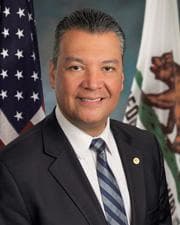
Alex Padilla
Democratic Senator
California
Cosponsors (12)
Mazie K. Hirono (Democratic)Adam B. Schiff (Democratic)Jack Reed (Democratic)Angus S. King (Independent)Amy Klobuchar (Democratic)Sheldon Whitehouse (Democratic)Brian Schatz (Democratic)Cory A. Booker (Democratic)Peter Welch (Democratic)Jeff Merkley (Democratic)Elissa Slotkin (Democratic)Ron Wyden (Democratic)
Rules and Administration Committee
- Introduced
- In Committee
- On Floor
- Passed Chamber
- Enacted
This legislation aims to nullify Executive Order 14248, issued on March 25, 2025, which Congress finds exceeds the authority of the Executive Branch and would disenfranchise millions of American voters. The bill explicitly states that this Executive Order shall have no force or effect and prohibits the use of any federal funds for its implementation, administration, enforcement, or to carry out its provisions. A key provision also prevents the Department of Government Efficiency from utilizing federal funds to access various state records related to federal elections. Specifically, this includes state voter registration lists, records concerning voter list maintenance activities, and federal immigration databases. Congress emphasizes that the Constitution grants authority over the time, place, and manner of elections to Congress and the States, not the President, citing precedents like the National Voter Registration Act of 1993 and the Help America Vote Act of 2002.
View Full TextSuggested Questions
Get AI-generated questions to help you understand this bill better
Timeline
Introduced in Senate
Read twice and referred to the Committee on Rules and Administration.
Government Operations and Politics
Defending America’s Future Elections Act
USA119th CongressS-1240| Senate
| Updated: 4/1/2025
This legislation aims to nullify Executive Order 14248, issued on March 25, 2025, which Congress finds exceeds the authority of the Executive Branch and would disenfranchise millions of American voters. The bill explicitly states that this Executive Order shall have no force or effect and prohibits the use of any federal funds for its implementation, administration, enforcement, or to carry out its provisions. A key provision also prevents the Department of Government Efficiency from utilizing federal funds to access various state records related to federal elections. Specifically, this includes state voter registration lists, records concerning voter list maintenance activities, and federal immigration databases. Congress emphasizes that the Constitution grants authority over the time, place, and manner of elections to Congress and the States, not the President, citing precedents like the National Voter Registration Act of 1993 and the Help America Vote Act of 2002.
View Full TextSuggested Questions
Get AI-generated questions to help you understand this bill better
Timeline
Introduced in Senate
Read twice and referred to the Committee on Rules and Administration.
Alex Padilla
Democratic Senator
California
Cosponsors (12)
Mazie K. Hirono (Democratic)Adam B. Schiff (Democratic)Jack Reed (Democratic)Angus S. King (Independent)Amy Klobuchar (Democratic)Sheldon Whitehouse (Democratic)Brian Schatz (Democratic)Cory A. Booker (Democratic)Peter Welch (Democratic)Jeff Merkley (Democratic)Elissa Slotkin (Democratic)Ron Wyden (Democratic)
Rules and Administration Committee
Government Operations and Politics
- Introduced
- In Committee
- On Floor
- Passed Chamber
- Enacted