No Tax on Tips Act
USA119th CongressS-129| Senate
| Updated: 5/26/2025
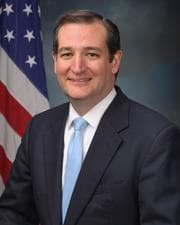
Ted Cruz
Republican Senator
Texas
Cosponsors (8)
Finance Committee
- Introduced
- In Committee
- On Floor
- Passed Chamber
- Enacted
This bill, known as the "No Tax on Tips Act," introduces a new federal income tax deduction for individuals receiving qualified tips. It allows taxpayers to deduct up to $25,000 annually for cash tips earned in occupations traditionally receiving tips, as determined by the Secretary of the Treasury. This deduction is designed to reduce the income tax burden on eligible tipped workers. The new deduction is available to both itemizing and non-itemizing taxpayers and is explicitly excluded from certain limitations typically applied to other deductions. The Secretary of the Treasury is mandated to publish a list of eligible occupations and modify withholding tables to reflect this new provision, ensuring broad applicability and impact on take-home pay. Beyond individual tax relief, the bill also expands the existing employer tax credit for Social Security taxes paid on employee tips. This credit, previously limited to food and beverage establishments, will now include beauty service establishments , covering services such as barbering, hair care, nail care, esthetics, and body and spa treatments. This expansion aims to provide tax relief to employers in the beauty industry. The amendments related to both the individual tip deduction and the employer tip credit are set to take effect for taxable years beginning after December 31, 2024 . Overall, the legislation seeks to provide significant tax relief for tipped employees and extend tax benefits to employers in a broader range of service industries.
Suggested Questions
Get AI-generated questions to help you understand this bill better
Timeline
Introduced in Senate
Read twice and referred to the Committee on Finance.
Passed Senate without amendment by Unanimous Consent. (consideration: CR S2993-2995; text: CR S2993-2994)
Passed/agreed to in Senate: Passed Senate without amendment by Unanimous Consent.
Senate Committee on Finance discharged by Unanimous Consent.
Message on Senate action sent to the House.
Received in the House.
Held at the desk.
Taxation
Accounting and auditingFood industry and servicesIncome tax deductionsService industriesTax administration and collection, taxpayers
No Tax on Tips Act
USA119th CongressS-129| Senate
| Updated: 5/26/2025
This bill, known as the "No Tax on Tips Act," introduces a new federal income tax deduction for individuals receiving qualified tips. It allows taxpayers to deduct up to $25,000 annually for cash tips earned in occupations traditionally receiving tips, as determined by the Secretary of the Treasury. This deduction is designed to reduce the income tax burden on eligible tipped workers. The new deduction is available to both itemizing and non-itemizing taxpayers and is explicitly excluded from certain limitations typically applied to other deductions. The Secretary of the Treasury is mandated to publish a list of eligible occupations and modify withholding tables to reflect this new provision, ensuring broad applicability and impact on take-home pay. Beyond individual tax relief, the bill also expands the existing employer tax credit for Social Security taxes paid on employee tips. This credit, previously limited to food and beverage establishments, will now include beauty service establishments , covering services such as barbering, hair care, nail care, esthetics, and body and spa treatments. This expansion aims to provide tax relief to employers in the beauty industry. The amendments related to both the individual tip deduction and the employer tip credit are set to take effect for taxable years beginning after December 31, 2024 . Overall, the legislation seeks to provide significant tax relief for tipped employees and extend tax benefits to employers in a broader range of service industries.
Suggested Questions
Get AI-generated questions to help you understand this bill better
Timeline
Introduced in Senate
Read twice and referred to the Committee on Finance.
Passed Senate without amendment by Unanimous Consent. (consideration: CR S2993-2995; text: CR S2993-2994)
Passed/agreed to in Senate: Passed Senate without amendment by Unanimous Consent.
Senate Committee on Finance discharged by Unanimous Consent.
Message on Senate action sent to the House.
Received in the House.
Held at the desk.
Ted Cruz
Republican Senator
Texas
Cosponsors (8)
Finance Committee
Taxation
Related Bills
- Introduced
- In Committee
- On Floor
- Passed Chamber
- Enacted
Accounting and auditingFood industry and servicesIncome tax deductionsService industriesTax administration and collection, taxpayers