United States-Cuba Trade Act of 2025
USA119th CongressS-136| Senate
| Updated: 1/16/2025
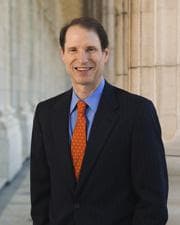
Ron Wyden
Democratic Senator
Oregon
Cosponsors (2)
Finance Committee
- Introduced
- In Committee
- On Floor
- Passed Chamber
- Enacted
The "United States-Cuba Trade Act of 2025" proposes a comprehensive lifting of the trade embargo against Cuba. It achieves this by repealing a wide array of existing statutes and regulations that currently restrict economic and social interactions between the two nations. This includes the authority for the embargo and sugar quota under the Foreign Assistance Act of 1961, as well as specific authorities under the Trading With the Enemy Act. Key legislative acts targeted for repeal are the Cuban Democracy Act of 1992 and the Cuban Liberty and Democratic Solidarity (LIBERTAD) Act of 1996 , also known as the Helms-Burton Act. The bill further eliminates prohibitions on exports to Cuba under various export control laws and removes restrictions on assistance to former Soviet countries related to Cuba. Additionally, it repeals sections of the Trade Sanctions Reform and Export Enhancement Act of 2000 that specifically target Cuba. Beyond repealing existing restrictions, the bill explicitly authorizes U.S. common carriers to install, maintain, and repair telecommunications equipment and provide services in Cuba. It also lifts all regulations and prohibitions on travel to and from Cuba for U.S. citizens and residents, along with associated financial transactions. This aims to facilitate greater personal and economic exchange. The legislation extends nondiscriminatory trade treatment (normal trade relations) to Cuban products, effectively ending the application of certain tariff and trade restrictions. It also prohibits the Secretary of the Treasury from limiting the amount of remittances sent to Cuba, rescinding current regulations, though it retains provisions against money laundering. Finally, the bill encourages the President to negotiate with Cuba to settle U.S. claims and secure internationally recognized human rights.
View Full TextSuggested Questions
Get AI-generated questions to help you understand this bill better
Timeline
Introduced in Senate
Read twice and referred to the Committee on Finance.
Foreign Trade and International Finance
Agricultural tradeCaribbean areaCongressional oversightCubaDiplomacy, foreign officials, Americans abroadForeign aid and international reliefGovernment liabilityHuman rightsIncome tax creditsIntelligence activities, surveillance, classified informationLatin AmericaNormal trade relations, most-favored-nation treatmentPresidents and presidential powers, Vice PresidentsSanctionsTaxation of foreign incomeTrade restrictionsTravel and tourismWar and emergency powers
United States-Cuba Trade Act of 2025
USA119th CongressS-136| Senate
| Updated: 1/16/2025
The "United States-Cuba Trade Act of 2025" proposes a comprehensive lifting of the trade embargo against Cuba. It achieves this by repealing a wide array of existing statutes and regulations that currently restrict economic and social interactions between the two nations. This includes the authority for the embargo and sugar quota under the Foreign Assistance Act of 1961, as well as specific authorities under the Trading With the Enemy Act. Key legislative acts targeted for repeal are the Cuban Democracy Act of 1992 and the Cuban Liberty and Democratic Solidarity (LIBERTAD) Act of 1996 , also known as the Helms-Burton Act. The bill further eliminates prohibitions on exports to Cuba under various export control laws and removes restrictions on assistance to former Soviet countries related to Cuba. Additionally, it repeals sections of the Trade Sanctions Reform and Export Enhancement Act of 2000 that specifically target Cuba. Beyond repealing existing restrictions, the bill explicitly authorizes U.S. common carriers to install, maintain, and repair telecommunications equipment and provide services in Cuba. It also lifts all regulations and prohibitions on travel to and from Cuba for U.S. citizens and residents, along with associated financial transactions. This aims to facilitate greater personal and economic exchange. The legislation extends nondiscriminatory trade treatment (normal trade relations) to Cuban products, effectively ending the application of certain tariff and trade restrictions. It also prohibits the Secretary of the Treasury from limiting the amount of remittances sent to Cuba, rescinding current regulations, though it retains provisions against money laundering. Finally, the bill encourages the President to negotiate with Cuba to settle U.S. claims and secure internationally recognized human rights.
View Full TextSuggested Questions
Get AI-generated questions to help you understand this bill better
Timeline
Introduced in Senate
Read twice and referred to the Committee on Finance.
Ron Wyden
Democratic Senator
Oregon
Cosponsors (2)
Finance Committee
Foreign Trade and International Finance
Related Bills
- Introduced
- In Committee
- On Floor
- Passed Chamber
- Enacted
Agricultural tradeCaribbean areaCongressional oversightCubaDiplomacy, foreign officials, Americans abroadForeign aid and international reliefGovernment liabilityHuman rightsIncome tax creditsIntelligence activities, surveillance, classified informationLatin AmericaNormal trade relations, most-favored-nation treatmentPresidents and presidential powers, Vice PresidentsSanctionsTaxation of foreign incomeTrade restrictionsTravel and tourismWar and emergency powers