Combating Organized Retail Crime Act
USA119th CongressS-1404| Senate
| Updated: 4/10/2025
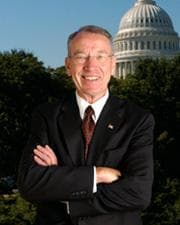
Chuck Grassley
Republican Senator
Iowa
Cosponsors (43)
Bill Cassidy (Republican)Angela D. Alsobrooks (Democratic)Markwayne Mullin (Republican)Dan Sullivan (Republican)Ruben Gallego (Democratic)Katie Boyd Britt (Republican)Catherine Cortez Masto (Democratic)Thomas Tillis (Republican)Cindy Hyde-Smith (Republican)Richard J. Durbin (Democratic)Kirsten E. Gillibrand (Democratic)Ben Ray Luján (Democratic)James E. Risch (Republican)Marsha Blackburn (Republican)Todd Young (Republican)Ashley Moody (Republican)Mark R. Warner (Democratic)Tom Cotton (Republican)Amy Klobuchar (Democratic)Lindsey Graham (Republican)Roger F. Wicker (Republican)John Boozman (Republican)Tim Sheehy (Republican)Jacky Rosen (Democratic)Ted Cruz (Republican)Tim Scott (Republican)James Lankford (Republican)John Kennedy (Republican)Deb Fischer (Republican)Bill Hagerty (Republican)Martin Heinrich (Democratic)John Fetterman (Democratic)David McCormick (Republican)John Cornyn (Republican)Jon Husted (Republican)Susan M. Collins (Republican)Bernie Moreno (Republican)Pete Ricketts (Republican)Steve Daines (Republican)Mark Kelly (Democratic)Ted Budd (Republican)Mike Crapo (Republican)Shelley Moore Capito (Republican)
Judiciary Committee
- Introduced
- In Committee
- On Floor
- Passed Chamber
- Enacted
Organized theft groups are significantly increasing criminal activities against the retail industry and supply chain, leading to substantial financial losses, violence, and disruptions. These groups often operate across state lines, reselling stolen goods through physical and online marketplaces, and using profits to finance other criminal enterprises like drug and weapons trafficking. Existing state and local law enforcement efforts face challenges due to the cross-jurisdictional and sophisticated nature of these crimes, necessitating a stronger federal response. To combat these issues, the bill amends Title 18 of the U.S. Code to strengthen federal laws concerning the interstate transportation and receipt of stolen goods. It expands the scope of offenses to include the use of any facility of interstate or foreign commerce and allows for the aggregation of stolen goods valued at $5,000 or more over a 12-month period for federal prosecution. Additionally, it broadens the definition of monetary instruments in money laundering statutes to include general-use prepaid cards, gift certificates, and store gift cards, enhancing the ability to prosecute financial aspects of these crimes. A key provision of the bill is the establishment of an **Organized Retail and Supply Chain Crime Coordination Center** within the Department of Homeland Security. This Center will coordinate federal law enforcement activities, establish relationships with state, local, and tribal agencies, and collaborate with retail and transportation companies to share information and assist in investigations. Staffed by special agents and analysts from various federal agencies, including Homeland Security Investigations, FBI, and Secret Service, the Center aims to create a secure system for information sharing and track crime trends. The Center will be led by a Director and a rotating Deputy Director from agencies like the FBI or Secret Service, and its authority will sunset after seven years. Furthermore, the bill mandates an evaluation of existing federal grant, training, and technical assistance programs for law enforcement to counter organized retail and supply chain crime. The Secretary of Homeland Security and the Attorney General will report on these evaluations and issue guidance to enhance support for state, local, and tribal law enforcement in combating these pervasive criminal activities.
View Full TextSuggested Questions
Get AI-generated questions to help you understand this bill better
Timeline
Introduced in Senate
Read twice and referred to the Committee on the Judiciary.
Crime and Law Enforcement
Congressional oversightCrimes against propertyCriminal procedure and sentencingDepartment of Homeland SecurityExecutive agency funding and structureInternet, web applications, social mediaOrganized crimeRetail and wholesale trades
Combating Organized Retail Crime Act
USA119th CongressS-1404| Senate
| Updated: 4/10/2025
Organized theft groups are significantly increasing criminal activities against the retail industry and supply chain, leading to substantial financial losses, violence, and disruptions. These groups often operate across state lines, reselling stolen goods through physical and online marketplaces, and using profits to finance other criminal enterprises like drug and weapons trafficking. Existing state and local law enforcement efforts face challenges due to the cross-jurisdictional and sophisticated nature of these crimes, necessitating a stronger federal response. To combat these issues, the bill amends Title 18 of the U.S. Code to strengthen federal laws concerning the interstate transportation and receipt of stolen goods. It expands the scope of offenses to include the use of any facility of interstate or foreign commerce and allows for the aggregation of stolen goods valued at $5,000 or more over a 12-month period for federal prosecution. Additionally, it broadens the definition of monetary instruments in money laundering statutes to include general-use prepaid cards, gift certificates, and store gift cards, enhancing the ability to prosecute financial aspects of these crimes. A key provision of the bill is the establishment of an **Organized Retail and Supply Chain Crime Coordination Center** within the Department of Homeland Security. This Center will coordinate federal law enforcement activities, establish relationships with state, local, and tribal agencies, and collaborate with retail and transportation companies to share information and assist in investigations. Staffed by special agents and analysts from various federal agencies, including Homeland Security Investigations, FBI, and Secret Service, the Center aims to create a secure system for information sharing and track crime trends. The Center will be led by a Director and a rotating Deputy Director from agencies like the FBI or Secret Service, and its authority will sunset after seven years. Furthermore, the bill mandates an evaluation of existing federal grant, training, and technical assistance programs for law enforcement to counter organized retail and supply chain crime. The Secretary of Homeland Security and the Attorney General will report on these evaluations and issue guidance to enhance support for state, local, and tribal law enforcement in combating these pervasive criminal activities.
View Full TextSuggested Questions
Get AI-generated questions to help you understand this bill better
Timeline
Introduced in Senate
Read twice and referred to the Committee on the Judiciary.
Chuck Grassley
Republican Senator
Iowa
Cosponsors (43)
Bill Cassidy (Republican)Angela D. Alsobrooks (Democratic)Markwayne Mullin (Republican)Dan Sullivan (Republican)Ruben Gallego (Democratic)Katie Boyd Britt (Republican)Catherine Cortez Masto (Democratic)Thomas Tillis (Republican)Cindy Hyde-Smith (Republican)Richard J. Durbin (Democratic)Kirsten E. Gillibrand (Democratic)Ben Ray Luján (Democratic)James E. Risch (Republican)Marsha Blackburn (Republican)Todd Young (Republican)Ashley Moody (Republican)Mark R. Warner (Democratic)Tom Cotton (Republican)Amy Klobuchar (Democratic)Lindsey Graham (Republican)Roger F. Wicker (Republican)John Boozman (Republican)Tim Sheehy (Republican)Jacky Rosen (Democratic)Ted Cruz (Republican)Tim Scott (Republican)James Lankford (Republican)John Kennedy (Republican)Deb Fischer (Republican)Bill Hagerty (Republican)Martin Heinrich (Democratic)John Fetterman (Democratic)David McCormick (Republican)John Cornyn (Republican)Jon Husted (Republican)Susan M. Collins (Republican)Bernie Moreno (Republican)Pete Ricketts (Republican)Steve Daines (Republican)Mark Kelly (Democratic)Ted Budd (Republican)Mike Crapo (Republican)Shelley Moore Capito (Republican)
Judiciary Committee
Crime and Law Enforcement
- Introduced
- In Committee
- On Floor
- Passed Chamber
- Enacted
Congressional oversightCrimes against propertyCriminal procedure and sentencingDepartment of Homeland SecurityExecutive agency funding and structureInternet, web applications, social mediaOrganized crimeRetail and wholesale trades