PROSPECT Act
USA119th CongressS-1411| Senate
| Updated: 4/10/2025
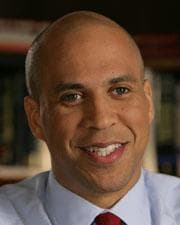
Cory A. Booker
Democratic Senator
New Jersey
Cosponsors (1)
Health, Education, Labor, and Pensions Committee
- Introduced
- In Committee
- On Floor
- Passed Chamber
- Enacted
The PROSPECT Act aims to significantly expand access to high-quality infant and toddler child care for student parents attending community colleges and minority-serving institutions. It also seeks to strengthen and diversify the workforce pipeline of early childhood educators, particularly in underserved areas. To achieve these goals, the bill authorizes $9 billion in federal funding for competitive grants over fiscal years 2026 through 2030. The legislation establishes a comprehensive grant program with four distinct types: planning, access, impact, and pipeline grants. Eligible entities, including individual institutions or consortia, must first secure a one-year planning grant to assess local child care needs and develop detailed proposals, involving student parents and community stakeholders. This planning phase is a prerequisite for applying for other grant types. Access grants are designed to provide free, high-quality infant and toddler child care for up to 500,000 children of student parents, covering costs, operating on-campus centers, and expanding existing facilities. These centers must prioritize low-income student parents, offer flexible care options, and ensure staff receive comparable wages. Impact grants focus on expanding community child care supply and quality by funding training, mentorship, and microenterprise grants for new or expanding providers, especially in "child care deserts" and communities of color. Pipeline grants are dedicated to growing and strengthening the early childhood educator workforce. Institutions can use these funds to establish new associate degree or credential programs, hire faculty, and upgrade on-campus centers into lab schools for practicum work. The grants also support microgrants for students in early childhood education programs and foster partnerships with high schools to create career and technical education pathways. Beyond the grant program, the bill introduces significant amendments to the Child Care and Development Block Grant (CCDBG) program , explicitly including higher education programs as eligible activities for child care assistance. It also increases the federal matching payment to 90 percent for states that provide infant and toddler child care assistance at competitive market rates. Finally, the Act mandates that institutions provide clear information to students about the dependent care allowance available for federal student aid, helping student parents access additional financial support.
View Full TextSuggested Questions
Get AI-generated questions to help you understand this bill better
Timeline
Introduced in Senate
Read twice and referred to the Committee on Health, Education, Labor, and Pensions.
Families
PROSPECT Act
USA119th CongressS-1411| Senate
| Updated: 4/10/2025
The PROSPECT Act aims to significantly expand access to high-quality infant and toddler child care for student parents attending community colleges and minority-serving institutions. It also seeks to strengthen and diversify the workforce pipeline of early childhood educators, particularly in underserved areas. To achieve these goals, the bill authorizes $9 billion in federal funding for competitive grants over fiscal years 2026 through 2030. The legislation establishes a comprehensive grant program with four distinct types: planning, access, impact, and pipeline grants. Eligible entities, including individual institutions or consortia, must first secure a one-year planning grant to assess local child care needs and develop detailed proposals, involving student parents and community stakeholders. This planning phase is a prerequisite for applying for other grant types. Access grants are designed to provide free, high-quality infant and toddler child care for up to 500,000 children of student parents, covering costs, operating on-campus centers, and expanding existing facilities. These centers must prioritize low-income student parents, offer flexible care options, and ensure staff receive comparable wages. Impact grants focus on expanding community child care supply and quality by funding training, mentorship, and microenterprise grants for new or expanding providers, especially in "child care deserts" and communities of color. Pipeline grants are dedicated to growing and strengthening the early childhood educator workforce. Institutions can use these funds to establish new associate degree or credential programs, hire faculty, and upgrade on-campus centers into lab schools for practicum work. The grants also support microgrants for students in early childhood education programs and foster partnerships with high schools to create career and technical education pathways. Beyond the grant program, the bill introduces significant amendments to the Child Care and Development Block Grant (CCDBG) program , explicitly including higher education programs as eligible activities for child care assistance. It also increases the federal matching payment to 90 percent for states that provide infant and toddler child care assistance at competitive market rates. Finally, the Act mandates that institutions provide clear information to students about the dependent care allowance available for federal student aid, helping student parents access additional financial support.
View Full TextSuggested Questions
Get AI-generated questions to help you understand this bill better
Timeline
Introduced in Senate
Read twice and referred to the Committee on Health, Education, Labor, and Pensions.
Cory A. Booker
Democratic Senator
New Jersey
Cosponsors (1)
Health, Education, Labor, and Pensions Committee
Families
Related Bills
- Introduced
- In Committee
- On Floor
- Passed Chamber
- Enacted