SECURE Notarization Act of 2025
USA119th CongressS-1561| Senate
| Updated: 5/1/2025
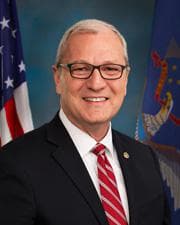
Kevin Cramer
Republican Senator
North Dakota
Cosponsors (4)
Judiciary Committee
- Introduced
- In Committee
- On Floor
- Passed Chamber
- Enacted
The SECURE Notarization Act of 2025 aims to modernize notarization practices by authorizing and setting minimum standards for electronic notarizations and remote notarizations that occur in or affect interstate commerce. Its primary goal is to ensure the legal validity and interstate recognition of these digital notarization methods across federal courts and all states. This legislation seeks to streamline transactions and reduce barriers related to physical presence requirements for notarization. For electronic notarizations, the bill requires the notary's electronic signature and other information to be securely attached to the electronic record, making any subsequent changes evident. Remote notarizations necessitate the remotely located individual's personal appearance via communication technology , with the notary identifying them through personal knowledge or specific multi-factor identity verification processes. Notaries must also create and retain an audio and visual recording of the remote notarization for a specified period, typically 5 to 10 years, and confirm the record's integrity. The Act mandates that all Federal courts recognize notarizations performed by a notarial officer of any state if valid under that state's law or this Act. Similarly, each State must recognize notarizations from other states when they relate to a public act, record, or judicial proceeding of the originating state or affect interstate commerce. Such recognized notarizations hold the same legal effect as if performed in the recognizing state, regardless of whether they were electronic, remote, or involved tangible records. The bill clarifies that notaries are not required to perform electronic or remote notarizations, nor does it invalidate a notarization due to minor failures to meet its requirements. It also preserves the rights of aggrieved persons to challenge the underlying record or transaction based on other state or federal laws. States retain authority to adopt their own laws, including the Revised Uniform Law on Notarial Acts (RULONA), provided they are consistent with the federal standards and require audio-visual recording retention.
View Full TextSuggested Questions
Get AI-generated questions to help you understand this bill better
Timeline
Introduced in Senate
Read twice and referred to the Committee on the Judiciary.
Law
SECURE Notarization Act of 2025
USA119th CongressS-1561| Senate
| Updated: 5/1/2025
The SECURE Notarization Act of 2025 aims to modernize notarization practices by authorizing and setting minimum standards for electronic notarizations and remote notarizations that occur in or affect interstate commerce. Its primary goal is to ensure the legal validity and interstate recognition of these digital notarization methods across federal courts and all states. This legislation seeks to streamline transactions and reduce barriers related to physical presence requirements for notarization. For electronic notarizations, the bill requires the notary's electronic signature and other information to be securely attached to the electronic record, making any subsequent changes evident. Remote notarizations necessitate the remotely located individual's personal appearance via communication technology , with the notary identifying them through personal knowledge or specific multi-factor identity verification processes. Notaries must also create and retain an audio and visual recording of the remote notarization for a specified period, typically 5 to 10 years, and confirm the record's integrity. The Act mandates that all Federal courts recognize notarizations performed by a notarial officer of any state if valid under that state's law or this Act. Similarly, each State must recognize notarizations from other states when they relate to a public act, record, or judicial proceeding of the originating state or affect interstate commerce. Such recognized notarizations hold the same legal effect as if performed in the recognizing state, regardless of whether they were electronic, remote, or involved tangible records. The bill clarifies that notaries are not required to perform electronic or remote notarizations, nor does it invalidate a notarization due to minor failures to meet its requirements. It also preserves the rights of aggrieved persons to challenge the underlying record or transaction based on other state or federal laws. States retain authority to adopt their own laws, including the Revised Uniform Law on Notarial Acts (RULONA), provided they are consistent with the federal standards and require audio-visual recording retention.
View Full TextSuggested Questions
Get AI-generated questions to help you understand this bill better
Timeline
Introduced in Senate
Read twice and referred to the Committee on the Judiciary.
Kevin Cramer
Republican Senator
North Dakota
Cosponsors (4)
Judiciary Committee
Law
Related Bills
- Introduced
- In Committee
- On Floor
- Passed Chamber
- Enacted