End Price Gouging for Medications Act
USA119th CongressS-1753| Senate
| Updated: 5/14/2025
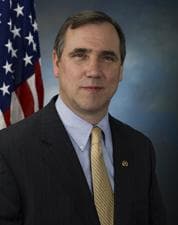
Jeff Merkley
Democratic Senator
Oregon
Health, Education, Labor, and Pensions Committee
- Introduced
- In Committee
- On Floor
- Passed Chamber
- Enacted
This legislative proposal directs the Secretary of Health and Human Services to establish annual reference prices for all prescription drugs, capping their retail list price for enrollees and beneficiaries in federal health programs. The primary method for setting these prices involves identifying the lowest retail list price for a drug among a specified list of 12 developed countries, provided data from at least three countries is available. If insufficient international data exists, the Secretary would determine an appropriate price based on factors such as the drug's therapeutic effect, value, patient access, and research and development costs. These reference prices would apply across a broad range of federal health programs, including Medicare, Medicaid, TRICARE, and the VA, ensuring price limits for millions of beneficiaries. Furthermore, drug manufacturers would be required to offer prescription drugs at or below the reference price to all individuals, encompassing the uninsured and those covered by private insurance, thereby extending price controls beyond federal programs. Non-compliant manufacturers would face significant civil penalties, with collected funds directed to the National Institutes of Health for drug research and development, fostering new drug development while curbing excessive pricing.
View Full TextSuggested Questions
Get AI-generated questions to help you understand this bill better
Timeline
Introduced in Senate
Read twice and referred to the Committee on Health, Education, Labor, and Pensions.
Health
End Price Gouging for Medications Act
USA119th CongressS-1753| Senate
| Updated: 5/14/2025
This legislative proposal directs the Secretary of Health and Human Services to establish annual reference prices for all prescription drugs, capping their retail list price for enrollees and beneficiaries in federal health programs. The primary method for setting these prices involves identifying the lowest retail list price for a drug among a specified list of 12 developed countries, provided data from at least three countries is available. If insufficient international data exists, the Secretary would determine an appropriate price based on factors such as the drug's therapeutic effect, value, patient access, and research and development costs. These reference prices would apply across a broad range of federal health programs, including Medicare, Medicaid, TRICARE, and the VA, ensuring price limits for millions of beneficiaries. Furthermore, drug manufacturers would be required to offer prescription drugs at or below the reference price to all individuals, encompassing the uninsured and those covered by private insurance, thereby extending price controls beyond federal programs. Non-compliant manufacturers would face significant civil penalties, with collected funds directed to the National Institutes of Health for drug research and development, fostering new drug development while curbing excessive pricing.
View Full TextSuggested Questions
Get AI-generated questions to help you understand this bill better
Timeline
Introduced in Senate
Read twice and referred to the Committee on Health, Education, Labor, and Pensions.
Jeff Merkley
Democratic Senator
Oregon
Health, Education, Labor, and Pensions Committee
Health
Related Bills
- Introduced
- In Committee
- On Floor
- Passed Chamber
- Enacted