REUSE Act of 2025
USA119th CongressS-2110| Senate
| Updated: 11/20/2025
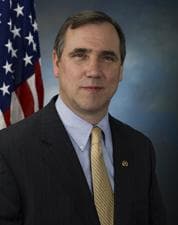
Jeff Merkley
Democratic Senator
Oregon
Cosponsors (1)
Environment and Public Works Committee
- Introduced
- In Committee
- On Floor
- Passed Chamber
- Enacted
This Act, known as the REUSE Act of 2025 , requires the Administrator of the Environmental Protection Agency to make publicly available a comprehensive report within two years of its enactment. This report will detail the feasibility and best practices of reuse and refill systems across various sectors, including food service, consumer products, and transportation. A "reuse and refill system" is defined as mechanisms for refillable or reusable products and beverage containers, supported by adequate infrastructure at both producer and consumer levels to ensure repeated recovery, inspection, and reissuance. The report's objectives include evaluating different system types, methods for equitable distribution, and job creation opportunities arising from these systems. Furthermore, the report must analyze the economic costs and benefits for businesses deploying these technologies and for waste collection entities. It will also identify the types of local, State, and Federal support needed to expand their use, along with existing barriers to widespread implementation. In preparing this report, the Administrator is directed to consider relevant information from existing programs in various jurisdictions and consult with key stakeholders.
Suggested Questions
Get AI-generated questions to help you understand this bill better
Timeline
Introduced in Senate
Read twice and referred to the Committee on Environment and Public Works.
Committee on Environment and Public Works. Ordered to be reported without amendment favorably.
Committee on Environment and Public Works. Reported by Senator Capito without amendment. Without written report.
Placed on Senate Legislative Calendar under General Orders. Calendar No. 225.
Passed Senate without amendment by Unanimous Consent. (consideration: CR S8398; text: CR S8398)
Passed Senate without amendment by Unanimous Consent.
Passed/agreed to in Senate: Passed Senate without amendment by Unanimous Consent.
Message on Senate action sent to the House.
Received in the House.
Held at the desk.
Environmental Protection
Administrative law and regulatory proceduresAir qualityAlcoholic beveragesAviation and airportsCivil actions and liabilityCommunity life and organizationCongressional oversightConsumer affairsEcologyEnvironmental educationEnvironmental healthEnvironmental Protection Agency (EPA)Environmental regulatory proceduresFood industry and servicesFood supply, safety, and labelingGovernment information and archivesGovernment studies and investigationsHazardous wastes and toxic substancesHigher educationIntergovernmental relationsLow- and moderate-income housingManufacturingMarine pollutionPoverty and welfare assistanceProduct safety and qualityRacial and ethnic relationsRailroadsRetail and wholesale tradesSoil pollutionSolid waste and recyclingState and local government operationsTrade restrictionsWater quality
REUSE Act of 2025
USA119th CongressS-2110| Senate
| Updated: 11/20/2025
This Act, known as the REUSE Act of 2025 , requires the Administrator of the Environmental Protection Agency to make publicly available a comprehensive report within two years of its enactment. This report will detail the feasibility and best practices of reuse and refill systems across various sectors, including food service, consumer products, and transportation. A "reuse and refill system" is defined as mechanisms for refillable or reusable products and beverage containers, supported by adequate infrastructure at both producer and consumer levels to ensure repeated recovery, inspection, and reissuance. The report's objectives include evaluating different system types, methods for equitable distribution, and job creation opportunities arising from these systems. Furthermore, the report must analyze the economic costs and benefits for businesses deploying these technologies and for waste collection entities. It will also identify the types of local, State, and Federal support needed to expand their use, along with existing barriers to widespread implementation. In preparing this report, the Administrator is directed to consider relevant information from existing programs in various jurisdictions and consult with key stakeholders.
Suggested Questions
Get AI-generated questions to help you understand this bill better
Timeline
Introduced in Senate
Read twice and referred to the Committee on Environment and Public Works.
Committee on Environment and Public Works. Ordered to be reported without amendment favorably.
Committee on Environment and Public Works. Reported by Senator Capito without amendment. Without written report.
Placed on Senate Legislative Calendar under General Orders. Calendar No. 225.
Passed Senate without amendment by Unanimous Consent. (consideration: CR S8398; text: CR S8398)
Passed Senate without amendment by Unanimous Consent.
Passed/agreed to in Senate: Passed Senate without amendment by Unanimous Consent.
Message on Senate action sent to the House.
Received in the House.
Held at the desk.
Jeff Merkley
Democratic Senator
Oregon
Cosponsors (1)
Environment and Public Works Committee
Environmental Protection
Related Bills
- Introduced
- In Committee
- On Floor
- Passed Chamber
- Enacted
Administrative law and regulatory proceduresAir qualityAlcoholic beveragesAviation and airportsCivil actions and liabilityCommunity life and organizationCongressional oversightConsumer affairsEcologyEnvironmental educationEnvironmental healthEnvironmental Protection Agency (EPA)Environmental regulatory proceduresFood industry and servicesFood supply, safety, and labelingGovernment information and archivesGovernment studies and investigationsHazardous wastes and toxic substancesHigher educationIntergovernmental relationsLow- and moderate-income housingManufacturingMarine pollutionPoverty and welfare assistanceProduct safety and qualityRacial and ethnic relationsRailroadsRetail and wholesale tradesSoil pollutionSolid waste and recyclingState and local government operationsTrade restrictionsWater quality