Broadcast VOICES Act
USA119th CongressS-2123| Senate
| Updated: 6/18/2025
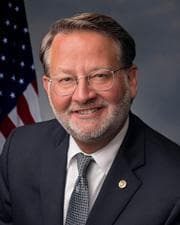
Gary C. Peters
Democratic Senator
Michigan
Cosponsors (6)
Finance Committee
- Introduced
- In Committee
- On Floor
- Passed Chamber
- Enacted
The Broadcast VOICES Act aims to significantly increase the diversity of ownership in the broadcasting industry, specifically for stations owned by socially disadvantaged individuals , defined as women and individuals subjected to racial or ethnic prejudice or cultural bias. The bill directs the Federal Communications Commission (FCC) to submit biennial reports to Congress with recommendations and data on increasing the number and value of such stations. Additionally, the FCC must examine and report on the link between diverse ownership and the diversity of viewpoints expressed in broadcast content. A central provision establishes a tax certificate program , administered by the FCC and IRS, to incentivize sales of broadcast station interests to socially disadvantaged individuals. The FCC will issue certificates for qualifying sales, allowing sellers to elect nonrecognition of gain or loss for tax purposes, effectively deferring capital gains if proceeds are reinvested. This program includes rules such as a $50,000,000 limit on sale value and a minimum 2-3 year holding period for socially disadvantaged ownership, with non-compliance reported to the IRS. Finally, the bill introduces a new general business tax credit for contributions of broadcast stations or interests to qualified non-profit organizations. To be eligible, these non-profits must focus on training socially disadvantaged individuals in broadcast management and operation, and must hold the contributed asset for at least two years.
View Full TextSuggested Questions
Get AI-generated questions to help you understand this bill better
Timeline
Introduced in Senate
Read twice and referred to the Committee on Finance.
Science, Technology, Communications
Broadcast VOICES Act
USA119th CongressS-2123| Senate
| Updated: 6/18/2025
The Broadcast VOICES Act aims to significantly increase the diversity of ownership in the broadcasting industry, specifically for stations owned by socially disadvantaged individuals , defined as women and individuals subjected to racial or ethnic prejudice or cultural bias. The bill directs the Federal Communications Commission (FCC) to submit biennial reports to Congress with recommendations and data on increasing the number and value of such stations. Additionally, the FCC must examine and report on the link between diverse ownership and the diversity of viewpoints expressed in broadcast content. A central provision establishes a tax certificate program , administered by the FCC and IRS, to incentivize sales of broadcast station interests to socially disadvantaged individuals. The FCC will issue certificates for qualifying sales, allowing sellers to elect nonrecognition of gain or loss for tax purposes, effectively deferring capital gains if proceeds are reinvested. This program includes rules such as a $50,000,000 limit on sale value and a minimum 2-3 year holding period for socially disadvantaged ownership, with non-compliance reported to the IRS. Finally, the bill introduces a new general business tax credit for contributions of broadcast stations or interests to qualified non-profit organizations. To be eligible, these non-profits must focus on training socially disadvantaged individuals in broadcast management and operation, and must hold the contributed asset for at least two years.
View Full TextSuggested Questions
Get AI-generated questions to help you understand this bill better
Timeline
Introduced in Senate
Read twice and referred to the Committee on Finance.
Gary C. Peters
Democratic Senator
Michigan
Cosponsors (6)
Finance Committee
Science, Technology, Communications
Related Bills
- Introduced
- In Committee
- On Floor
- Passed Chamber
- Enacted