Art Market Integrity Act
USA119th CongressS-2400| Senate
| Updated: 7/23/2025
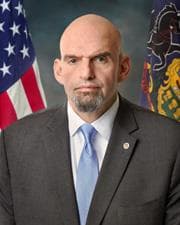
John Fetterman
Democratic Senator
Pennsylvania
Cosponsors (5)
Banking, Housing, and Urban Affairs Committee
- Introduced
- In Committee
- On Floor
- Passed Chamber
- Enacted
This bill, titled the "Art Market Integrity Act," aims to combat illicit finance by extending federal anti-money laundering (AML) regulations to the art market. It amends Title 31 of the U.S. Code to classify certain art traders as financial institutions , thereby subjecting them to existing record-keeping and reporting requirements for monetary instrument transactions. This expansion targets intermediaries in the art market, including dealers, advisors, consultants, galleries, auction houses, and museums. Specifically, these requirements apply to persons engaged in the trade of art who participate in a single transaction valued over $10,000 or total transactions exceeding $50,000 within a year. Exemptions are provided for artists selling their own creations and for transactions below these thresholds. The bill defines "work of art" to include original paintings, sculptures, drawings, and photographs, while explicitly excluding applied art and mass-produced decorative items. To facilitate implementation, the bill mandates that the Secretary of the Treasury issue updated guidance within 360 days regarding the risks of high-value artwork transactions involving sanctioned persons or entities. Furthermore, the Financial Crimes Enforcement Network (FinCEN) must issue proposed rules within 180 days to carry out these amendments, considering factors like geographical location, agent status, and potential exemptions.
View Full TextSuggested Questions
Get AI-generated questions to help you understand this bill better
Timeline
Introduced in Senate
Read twice and referred to the Committee on Banking, Housing, and Urban Affairs.
Finance and Financial Sector
Art Market Integrity Act
USA119th CongressS-2400| Senate
| Updated: 7/23/2025
This bill, titled the "Art Market Integrity Act," aims to combat illicit finance by extending federal anti-money laundering (AML) regulations to the art market. It amends Title 31 of the U.S. Code to classify certain art traders as financial institutions , thereby subjecting them to existing record-keeping and reporting requirements for monetary instrument transactions. This expansion targets intermediaries in the art market, including dealers, advisors, consultants, galleries, auction houses, and museums. Specifically, these requirements apply to persons engaged in the trade of art who participate in a single transaction valued over $10,000 or total transactions exceeding $50,000 within a year. Exemptions are provided for artists selling their own creations and for transactions below these thresholds. The bill defines "work of art" to include original paintings, sculptures, drawings, and photographs, while explicitly excluding applied art and mass-produced decorative items. To facilitate implementation, the bill mandates that the Secretary of the Treasury issue updated guidance within 360 days regarding the risks of high-value artwork transactions involving sanctioned persons or entities. Furthermore, the Financial Crimes Enforcement Network (FinCEN) must issue proposed rules within 180 days to carry out these amendments, considering factors like geographical location, agent status, and potential exemptions.
View Full TextSuggested Questions
Get AI-generated questions to help you understand this bill better
Timeline
Introduced in Senate
Read twice and referred to the Committee on Banking, Housing, and Urban Affairs.
John Fetterman
Democratic Senator
Pennsylvania
Cosponsors (5)
Banking, Housing, and Urban Affairs Committee
Finance and Financial Sector
- Introduced
- In Committee
- On Floor
- Passed Chamber
- Enacted