Uyghur Genocide Accountability and Sanctions Act of 2025
USA119th CongressS-2560| Senate
| Updated: 7/30/2025
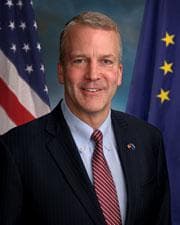
Dan Sullivan
Republican Senator
Alaska
Cosponsors (1)
Foreign Relations Committee
- Introduced
- In Committee
- On Floor
- Passed Chamber
- Enacted
The Uyghur Genocide Accountability and Sanctions Act of 2025 aims to expand sanctions and counter genocidal policies by the Government of the People's Republic of China in the Xinjiang Uyghur Autonomous Region. It amends the Uyghur Human Rights Policy Act of 2020 to include new sanctionable acts such as systematic rape, coercive abortion, forced sterilization, human trafficking for organ removal, forced child separation, and forced deportation . The President is also required to identify foreign persons providing significant goods, services, or technology to or engaging in transactions related to these abuses. The bill mandates the denial of United States entry for foreign nationals complicit in forced abortions or forced sterilizations, with limited waiver provisions for national security or international obligations. It authorizes the Secretary of State to provide medical care, physical therapy, and psychological support to Uyghur, Kazakh, Kyrgyz, and other oppressed ethnic group members residing outside of China who have experienced atrocities. This assistance can be delivered through grants to treatment centers and training for healthcare providers. Furthermore, the legislation expresses a Sense of Congress that the U.S. Government should promote the preservation of the cultural, religious, and linguistic heritage of oppressed groups in China. It authorizes appropriations for a Repressed Cultures Preservation Initiative within the Smithsonian Institution and requires a report on the feasibility of a grant program for communities facing cultural threats. The Treasury Secretary must also determine if specific Chinese entities, including Hangzhou Hikvision and ByteDance Ltd., meet criteria for sanctions under various human rights acts. The bill directs the Secretary of State to develop a strategy to counter Chinese propaganda denying genocide and human rights abuses, and to document atrocities in the Xinjiang Uyghur Autonomous Region by supporting entities collecting evidence, identifying perpetrators, and conducting investigations. It prohibits executive agencies from entering into contracts with persons identified in human rights reports, those linked to forced labor in Xinjiang, or those facilitating genocide and human rights abuses. Additionally, the Act requires a strategy to address allegations of forced organ harvesting in Xinjiang, including a determination of its occurrence and diplomatic outreach efforts. It mandates the compilation of information on detained family members of U.S. citizens in Xinjiang and prohibits the Department of Defense from procuring or selling seafood originating or processed in the People's Republic of China for military dining facilities and commissary stores, with limited exceptions.
View Full TextSuggested Questions
Get AI-generated questions to help you understand this bill better
Timeline
Introduced in Senate
Read twice and referred to the Committee on Foreign Relations.
International Affairs
Uyghur Genocide Accountability and Sanctions Act of 2025
USA119th CongressS-2560| Senate
| Updated: 7/30/2025
The Uyghur Genocide Accountability and Sanctions Act of 2025 aims to expand sanctions and counter genocidal policies by the Government of the People's Republic of China in the Xinjiang Uyghur Autonomous Region. It amends the Uyghur Human Rights Policy Act of 2020 to include new sanctionable acts such as systematic rape, coercive abortion, forced sterilization, human trafficking for organ removal, forced child separation, and forced deportation . The President is also required to identify foreign persons providing significant goods, services, or technology to or engaging in transactions related to these abuses. The bill mandates the denial of United States entry for foreign nationals complicit in forced abortions or forced sterilizations, with limited waiver provisions for national security or international obligations. It authorizes the Secretary of State to provide medical care, physical therapy, and psychological support to Uyghur, Kazakh, Kyrgyz, and other oppressed ethnic group members residing outside of China who have experienced atrocities. This assistance can be delivered through grants to treatment centers and training for healthcare providers. Furthermore, the legislation expresses a Sense of Congress that the U.S. Government should promote the preservation of the cultural, religious, and linguistic heritage of oppressed groups in China. It authorizes appropriations for a Repressed Cultures Preservation Initiative within the Smithsonian Institution and requires a report on the feasibility of a grant program for communities facing cultural threats. The Treasury Secretary must also determine if specific Chinese entities, including Hangzhou Hikvision and ByteDance Ltd., meet criteria for sanctions under various human rights acts. The bill directs the Secretary of State to develop a strategy to counter Chinese propaganda denying genocide and human rights abuses, and to document atrocities in the Xinjiang Uyghur Autonomous Region by supporting entities collecting evidence, identifying perpetrators, and conducting investigations. It prohibits executive agencies from entering into contracts with persons identified in human rights reports, those linked to forced labor in Xinjiang, or those facilitating genocide and human rights abuses. Additionally, the Act requires a strategy to address allegations of forced organ harvesting in Xinjiang, including a determination of its occurrence and diplomatic outreach efforts. It mandates the compilation of information on detained family members of U.S. citizens in Xinjiang and prohibits the Department of Defense from procuring or selling seafood originating or processed in the People's Republic of China for military dining facilities and commissary stores, with limited exceptions.
View Full TextSuggested Questions
Get AI-generated questions to help you understand this bill better
Timeline
Introduced in Senate
Read twice and referred to the Committee on Foreign Relations.
Dan Sullivan
Republican Senator
Alaska
Cosponsors (1)
Foreign Relations Committee
International Affairs
- Introduced
- In Committee
- On Floor
- Passed Chamber
- Enacted