Treatment Court, Rehabilitation, and Recovery Act of 2025
USA119th CongressS-2723| Senate
| Updated: 9/4/2025
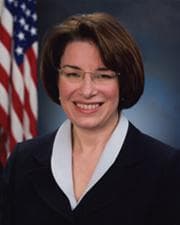
Amy Klobuchar
Democratic Senator
Minnesota
Cosponsors (1)
Judiciary Committee
- Introduced
- In Committee
- On Floor
- Passed Chamber
- Enacted
This legislation, known as the "Treatment Court, Rehabilitation, and Recovery Act of 2025," proposes to amend the Omnibus Crime Control and Safe Streets Act of 1968 by replacing existing provisions related to treatment courts. It establishes a new Treatment Court Discretionary Grant Program , authorizing the Attorney General to award grants to States, local governments, and Indian tribal governments. These grants are intended to establish or enhance a variety of specialized courts, including juvenile drug treatment courts, family treatment courts, Tribal healing to wellness courts, impaired driving courts, and adult drug treatment courts, all adhering to national best practice standards. The bill defines specific eligibility criteria for participants, requiring a diagnosis of a substance use disorder or co-occurring mental illness and substance abuse disorders, and a determination by a treatment court team that the individual does not pose a risk of violence. Importantly, individuals charged with sex offenses, child exploitation, murder, or assault with intent to commit murder are excluded from participation. Grant applications must outline long-term strategies, ensure non-discrimination, provide adequate legal counsel, and guarantee access to evidence-based substance use disorder treatment , including medication for addiction treatment , when clinically appropriate. The legislation also mandates that economic sanctions or treatment costs for participants must be based on their ability to pay and not interfere with program participation. Furthermore, the bill emphasizes the importance of equitable access and retention within these programs, requiring grantees to collect and examine data to address any unfair disparities. It also mandates a national multi-site evaluation by the Department of Justice's Bureau of Justice Assistance within three years of enactment to assess the effectiveness of treatment courts, focusing on target populations, treatment modalities, recidivism, and program outcomes. To support these initiatives, the bill authorizes an appropriation of $100,000,000 annually for fiscal years 2024 through 2028 for technical assistance, training, and evaluations.
View Full TextSuggested Questions
Get AI-generated questions to help you understand this bill better
Timeline
Introduced in Senate
Read twice and referred to the Committee on the Judiciary.
Crime and Law Enforcement
Treatment Court, Rehabilitation, and Recovery Act of 2025
USA119th CongressS-2723| Senate
| Updated: 9/4/2025
This legislation, known as the "Treatment Court, Rehabilitation, and Recovery Act of 2025," proposes to amend the Omnibus Crime Control and Safe Streets Act of 1968 by replacing existing provisions related to treatment courts. It establishes a new Treatment Court Discretionary Grant Program , authorizing the Attorney General to award grants to States, local governments, and Indian tribal governments. These grants are intended to establish or enhance a variety of specialized courts, including juvenile drug treatment courts, family treatment courts, Tribal healing to wellness courts, impaired driving courts, and adult drug treatment courts, all adhering to national best practice standards. The bill defines specific eligibility criteria for participants, requiring a diagnosis of a substance use disorder or co-occurring mental illness and substance abuse disorders, and a determination by a treatment court team that the individual does not pose a risk of violence. Importantly, individuals charged with sex offenses, child exploitation, murder, or assault with intent to commit murder are excluded from participation. Grant applications must outline long-term strategies, ensure non-discrimination, provide adequate legal counsel, and guarantee access to evidence-based substance use disorder treatment , including medication for addiction treatment , when clinically appropriate. The legislation also mandates that economic sanctions or treatment costs for participants must be based on their ability to pay and not interfere with program participation. Furthermore, the bill emphasizes the importance of equitable access and retention within these programs, requiring grantees to collect and examine data to address any unfair disparities. It also mandates a national multi-site evaluation by the Department of Justice's Bureau of Justice Assistance within three years of enactment to assess the effectiveness of treatment courts, focusing on target populations, treatment modalities, recidivism, and program outcomes. To support these initiatives, the bill authorizes an appropriation of $100,000,000 annually for fiscal years 2024 through 2028 for technical assistance, training, and evaluations.
View Full TextSuggested Questions
Get AI-generated questions to help you understand this bill better