Eliminate Shutdowns Act
USA119th CongressS-2806| Senate
| Updated: 9/30/2025
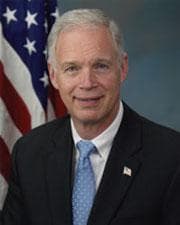
Ron Johnson
Republican Senator
Wisconsin
- Introduced
- In Committee
- On Floor
- Passed Chamber
- Enacted
The Eliminate Shutdowns Act creates a statutory framework for automatic continuing appropriations when Congress fails to enact a full‑year appropriation Act for a program, project, or activity. It defines a lapse in appropriations as a period in which the current fiscal year’s full‑year act has not been enacted, the program had funding in the prior year, and no continuing appropriation is in effect. The act also clarifies that the preceding applicable appropriation Act is the most recent continuing or full‑year act from the prior fiscal year. When a lapse occurs, the Treasury may provide the necessary sums at the rate used in the preceding appropriation, and those funds are available for 14 calendar days . If the lapse continues, the authority is automatically extended in additional 14‑day periods until a new appropriation or continuing appropriation is enacted. For entitlements and other mandatory payments, the funds are set at the rate needed to maintain program levels under current law. The bill treats the automatic appropriations as part‑year discretionary appropriations for budgetary purposes, limiting the amount that can be transferred between accounts to 5 percent and prohibiting use of funds for programs specifically denied by Congress. It requires the head of an agency to notify appropriations committees of any transfers and mandates reporting on discretionary spending limits when a lapse occurs. The act takes effect on September 30, 2025, and is intended to reduce the risk of government shutdowns by ensuring continuous funding until Congress passes a new appropriation.
Suggested Questions
Get AI-generated questions to help you understand this bill better
Timeline
Introduced in the Senate. Read the first time. Placed on Senate Legislative Calendar under Read the First Time.
Introduced in Senate
Read the second time. Placed on Senate Legislative Calendar under General Orders. Calendar No. 161.
Motion to proceed to consideration of measure made in Senate. (: CR S6799)
Cloture motion on the motion to proceed to the measure presented in Senate.
Motion to proceed to consideration of measure made in Senate. (CR S6799)
Motion to proceed to consideration of measure made in Senate.
Cloture motion on the motion to proceed to the measure presented in Senate. (: CR S6799)
Cloture motion on the motion to proceed to the measure presented in Senate. (CR S6799)
Motion by Senator Thune to reconsider the motion to proceed the vote by which cloture on the motion to proceed to S. 2806 was not invoked (Record Vote No. 533) made in Senate.
Motion by Senator Thune to reconsider the vote by which cloture on the motion to proceed to S. 2806 was not invoked (Record Vote No. 533) made in Senate.
Cloture on the motion to proceed to the measure not invoked in Senate by Yea-Nay Vote. 37 - 61. Record Vote Number: 533. (CR S6824-6825)
View VoteEconomics and Public Finance
AppropriationsBudget processExecutive agency funding and structureGovernment information and archives
Eliminate Shutdowns Act
USA119th CongressS-2806| Senate
| Updated: 9/30/2025
The Eliminate Shutdowns Act creates a statutory framework for automatic continuing appropriations when Congress fails to enact a full‑year appropriation Act for a program, project, or activity. It defines a lapse in appropriations as a period in which the current fiscal year’s full‑year act has not been enacted, the program had funding in the prior year, and no continuing appropriation is in effect. The act also clarifies that the preceding applicable appropriation Act is the most recent continuing or full‑year act from the prior fiscal year. When a lapse occurs, the Treasury may provide the necessary sums at the rate used in the preceding appropriation, and those funds are available for 14 calendar days . If the lapse continues, the authority is automatically extended in additional 14‑day periods until a new appropriation or continuing appropriation is enacted. For entitlements and other mandatory payments, the funds are set at the rate needed to maintain program levels under current law. The bill treats the automatic appropriations as part‑year discretionary appropriations for budgetary purposes, limiting the amount that can be transferred between accounts to 5 percent and prohibiting use of funds for programs specifically denied by Congress. It requires the head of an agency to notify appropriations committees of any transfers and mandates reporting on discretionary spending limits when a lapse occurs. The act takes effect on September 30, 2025, and is intended to reduce the risk of government shutdowns by ensuring continuous funding until Congress passes a new appropriation.
Suggested Questions
Get AI-generated questions to help you understand this bill better
Timeline
Introduced in the Senate. Read the first time. Placed on Senate Legislative Calendar under Read the First Time.
Introduced in Senate
Read the second time. Placed on Senate Legislative Calendar under General Orders. Calendar No. 161.
Motion to proceed to consideration of measure made in Senate. (: CR S6799)
Cloture motion on the motion to proceed to the measure presented in Senate.
Motion to proceed to consideration of measure made in Senate. (CR S6799)
Motion to proceed to consideration of measure made in Senate.
Cloture motion on the motion to proceed to the measure presented in Senate. (: CR S6799)
Cloture motion on the motion to proceed to the measure presented in Senate. (CR S6799)
Motion by Senator Thune to reconsider the motion to proceed the vote by which cloture on the motion to proceed to S. 2806 was not invoked (Record Vote No. 533) made in Senate.
Motion by Senator Thune to reconsider the vote by which cloture on the motion to proceed to S. 2806 was not invoked (Record Vote No. 533) made in Senate.
Cloture on the motion to proceed to the measure not invoked in Senate by Yea-Nay Vote. 37 - 61. Record Vote Number: 533. (CR S6824-6825)
View VoteRon Johnson
Republican Senator
Wisconsin
Economics and Public Finance
Related Bills
- Introduced
- In Committee
- On Floor
- Passed Chamber
- Enacted
AppropriationsBudget processExecutive agency funding and structureGovernment information and archives