FAMILY Act
USA119th CongressS-2823| Senate
| Updated: 9/16/2025
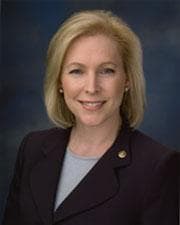
Kirsten E. Gillibrand
Democratic Senator
New York
Cosponsors (38)
Jeanne Shaheen (Democratic)Mazie K. Hirono (Democratic)Angela D. Alsobrooks (Democratic)Tammy Duckworth (Democratic)Margaret Wood Hassan (Democratic)Ruben Gallego (Democratic)Adam B. Schiff (Democratic)Richard J. Durbin (Democratic)Edward J. Markey (Democratic)Lisa Blunt Rochester (Democratic)Charles E. Schumer (Democratic)Jack Reed (Democratic)Elizabeth Warren (Democratic)Ben Ray Luján (Democratic)Alex Padilla (Democratic)Christopher A. Coons (Democratic)Amy Klobuchar (Democratic)Sheldon Whitehouse (Democratic)Jacky Rosen (Democratic)Chris Van Hollen (Democratic)Christopher Murphy (Democratic)Martin Heinrich (Democratic)Michael F. Bennet (Democratic)Patty Murray (Democratic)John Fetterman (Democratic)Tina Smith (Democratic)Bernard Sanders (Independent)Brian Schatz (Democratic)Andy Kim (Democratic)Tammy Baldwin (Democratic)Cory A. Booker (Democratic)Peter Welch (Democratic)Jeff Merkley (Democratic)Elissa Slotkin (Democratic)Raphael G. Warnock (Democratic)Ron Wyden (Democratic)Richard Blumenthal (Democratic)Mark Kelly (Democratic)
Finance Committee
- Introduced
- In Committee
- On Floor
- Passed Chamber
- Enacted
The Family and Medical Insurance Leave Act, or FAMILY Act, establishes a national paid family and medical leave insurance program to provide wage replacement benefits to eligible individuals. This program is administered by a newly created Office of Paid Family and Medical Leave within the Social Security Administration, headed by a Deputy Commissioner. This office is responsible for determining eligibility, processing benefit payments, preventing fraud, and conducting outreach. To qualify for benefits, individuals must file an application, be engaged in or anticipate qualified caregiving, and meet specific wage and self-employment income requirements. Qualified caregiving encompasses a broad range of reasons, including those covered by the Family and Medical Leave Act (FMLA), such as caring for a new child, attending to one's own serious health condition, or caring for a qualified family member with a serious health condition. The definition of a qualified family member is significantly expanded to include a wide array of relatives and individuals with an equivalent family relationship. A key provision extends qualified caregiving to situations where an individual or a qualified family member is a victim of family violence or a qualifying act of violence. This includes seeking counseling, temporary relocation, legal assistance, medical attention, or other steps to ensure their well-being. Benefit amounts are calculated using a progressive wage replacement formula, providing higher percentages for lower earners, up to specified maximum and minimum monthly benefits, and are proportional to the number of caregiving hours. The Act includes robust employment and benefits protections, making it unlawful for employers to interfere with, deny, or retaliate against individuals for exercising their rights under the program. Employers are required to restore individuals to their original or an equivalent position and maintain health benefits during the period of leave. A rebuttable presumption of retaliation is established if an adverse action is taken against an employee within 12 months of taking leave under this Act. The bill does not preempt existing state or local paid leave laws; rather, it allows for greater benefits from employers or collective bargaining agreements. It also provides grants to "legacy states" that already have comprehensive paid family and medical leave programs, helping to fund their administration and benefits. Applications for benefits can be filed 18 months after the Act's enactment, and the Government Accountability Office (GAO) will conduct periodic studies to assess the program's implementation and efficiency.
View Full TextSuggested Questions
Get AI-generated questions to help you understand this bill better
Timeline
Introduced in Senate
Read twice and referred to the Committee on Finance.
Labor and Employment
FAMILY Act
USA119th CongressS-2823| Senate
| Updated: 9/16/2025
The Family and Medical Insurance Leave Act, or FAMILY Act, establishes a national paid family and medical leave insurance program to provide wage replacement benefits to eligible individuals. This program is administered by a newly created Office of Paid Family and Medical Leave within the Social Security Administration, headed by a Deputy Commissioner. This office is responsible for determining eligibility, processing benefit payments, preventing fraud, and conducting outreach. To qualify for benefits, individuals must file an application, be engaged in or anticipate qualified caregiving, and meet specific wage and self-employment income requirements. Qualified caregiving encompasses a broad range of reasons, including those covered by the Family and Medical Leave Act (FMLA), such as caring for a new child, attending to one's own serious health condition, or caring for a qualified family member with a serious health condition. The definition of a qualified family member is significantly expanded to include a wide array of relatives and individuals with an equivalent family relationship. A key provision extends qualified caregiving to situations where an individual or a qualified family member is a victim of family violence or a qualifying act of violence. This includes seeking counseling, temporary relocation, legal assistance, medical attention, or other steps to ensure their well-being. Benefit amounts are calculated using a progressive wage replacement formula, providing higher percentages for lower earners, up to specified maximum and minimum monthly benefits, and are proportional to the number of caregiving hours. The Act includes robust employment and benefits protections, making it unlawful for employers to interfere with, deny, or retaliate against individuals for exercising their rights under the program. Employers are required to restore individuals to their original or an equivalent position and maintain health benefits during the period of leave. A rebuttable presumption of retaliation is established if an adverse action is taken against an employee within 12 months of taking leave under this Act. The bill does not preempt existing state or local paid leave laws; rather, it allows for greater benefits from employers or collective bargaining agreements. It also provides grants to "legacy states" that already have comprehensive paid family and medical leave programs, helping to fund their administration and benefits. Applications for benefits can be filed 18 months after the Act's enactment, and the Government Accountability Office (GAO) will conduct periodic studies to assess the program's implementation and efficiency.
View Full TextSuggested Questions
Get AI-generated questions to help you understand this bill better
Timeline
Introduced in Senate
Read twice and referred to the Committee on Finance.
Kirsten E. Gillibrand
Democratic Senator
New York
Cosponsors (38)
Jeanne Shaheen (Democratic)Mazie K. Hirono (Democratic)Angela D. Alsobrooks (Democratic)Tammy Duckworth (Democratic)Margaret Wood Hassan (Democratic)Ruben Gallego (Democratic)Adam B. Schiff (Democratic)Richard J. Durbin (Democratic)Edward J. Markey (Democratic)Lisa Blunt Rochester (Democratic)Charles E. Schumer (Democratic)Jack Reed (Democratic)Elizabeth Warren (Democratic)Ben Ray Luján (Democratic)Alex Padilla (Democratic)Christopher A. Coons (Democratic)Amy Klobuchar (Democratic)Sheldon Whitehouse (Democratic)Jacky Rosen (Democratic)Chris Van Hollen (Democratic)Christopher Murphy (Democratic)Martin Heinrich (Democratic)Michael F. Bennet (Democratic)Patty Murray (Democratic)John Fetterman (Democratic)Tina Smith (Democratic)Bernard Sanders (Independent)Brian Schatz (Democratic)Andy Kim (Democratic)Tammy Baldwin (Democratic)Cory A. Booker (Democratic)Peter Welch (Democratic)Jeff Merkley (Democratic)Elissa Slotkin (Democratic)Raphael G. Warnock (Democratic)Ron Wyden (Democratic)Richard Blumenthal (Democratic)Mark Kelly (Democratic)
Finance Committee
Labor and Employment
Related Bills
- Introduced
- In Committee
- On Floor
- Passed Chamber
- Enacted