WELL Seniors Act of 2025
USA119th CongressS-2830| Senate
| Updated: 9/17/2025
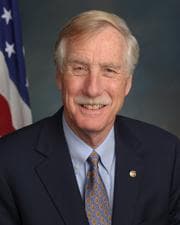
Angus S. King
Independent Senator
Maine
Finance Committee
- Introduced
- In Committee
- On Floor
- Passed Chamber
- Enacted
The Wellness and Education for Longer Lives for Seniors Act of 2025 seeks to significantly enhance the annual wellness visit under the Medicare program. It expands the required elements of these visits to include assessments for social determinants of health such as food security, housing security, transportation access, and social support, alongside screening for balance to identify fall risks. These changes, along with others, will apply to services furnished on or after January 1, 2026. To encourage comprehensive care, the bill establishes a 10 percent incentive payment for annual wellness visits that incorporate the expanded social determinants of health assessment and at least two other specified elements. Furthermore, it broadens the list of eligible providers to include physical therapists, occupational therapists, and pharmacists , and explicitly authorizes annual wellness visits to be furnished as telehealth services . The Secretary of Health and Human Services is also directed to revise guidance on post-visit follow-up to ensure consistency and compliance. The legislation mandates extensive education and outreach activities , including a national campaign, to inform beneficiaries about the enhanced annual wellness visits, with a focus on low-income individuals and those in rural or shortage areas. Additionally, it requires the Secretary to conduct research and evaluation , including a report on visit prevalence and effectiveness, and a focus group study to identify barriers and improve utilization among Medicare beneficiaries. Appropriations are authorized for these outreach and research efforts from fiscal years 2026 through 2030.
View Full TextSuggested Questions
Get AI-generated questions to help you understand this bill better
Timeline
Introduced in Senate
Read twice and referred to the Committee on Finance.
WELL Seniors Act of 2025
USA119th CongressS-2830| Senate
| Updated: 9/17/2025
The Wellness and Education for Longer Lives for Seniors Act of 2025 seeks to significantly enhance the annual wellness visit under the Medicare program. It expands the required elements of these visits to include assessments for social determinants of health such as food security, housing security, transportation access, and social support, alongside screening for balance to identify fall risks. These changes, along with others, will apply to services furnished on or after January 1, 2026. To encourage comprehensive care, the bill establishes a 10 percent incentive payment for annual wellness visits that incorporate the expanded social determinants of health assessment and at least two other specified elements. Furthermore, it broadens the list of eligible providers to include physical therapists, occupational therapists, and pharmacists , and explicitly authorizes annual wellness visits to be furnished as telehealth services . The Secretary of Health and Human Services is also directed to revise guidance on post-visit follow-up to ensure consistency and compliance. The legislation mandates extensive education and outreach activities , including a national campaign, to inform beneficiaries about the enhanced annual wellness visits, with a focus on low-income individuals and those in rural or shortage areas. Additionally, it requires the Secretary to conduct research and evaluation , including a report on visit prevalence and effectiveness, and a focus group study to identify barriers and improve utilization among Medicare beneficiaries. Appropriations are authorized for these outreach and research efforts from fiscal years 2026 through 2030.
View Full TextSuggested Questions
Get AI-generated questions to help you understand this bill better
Timeline
Introduced in Senate
Read twice and referred to the Committee on Finance.
Angus S. King
Independent Senator
Maine
Finance Committee
- Introduced
- In Committee
- On Floor
- Passed Chamber
- Enacted