Protecting Our Democracy Act
USA119th CongressS-2838| Senate
| Updated: 9/17/2025
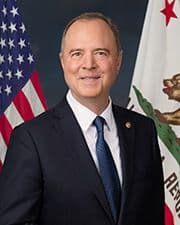
Adam B. Schiff
Democratic Senator
California
Cosponsors (9)
Homeland Security and Governmental Affairs Committee
- Introduced
- In Committee
- On Floor
- Passed Chamber
- Enacted
This comprehensive bill, titled the "Protecting Our Democracy Act," is structured into several divisions addressing presidential power, governmental accountability, and election integrity. Division A focuses on preventing abuses of presidential power, including measures to increase congressional oversight of presidential pardons, prohibit self-pardons, and criminalize bribery related to pardons. It also tolls the statute of limitations for federal offenses committed by a President or Vice President during or prior to their tenure, and mandates forfeiture of benefits for former Presidents convicted of felonies. The bill strengthens the enforcement of the Foreign and Domestic Emoluments Clauses by defining emoluments, prohibiting their acceptance, and establishing civil actions for violations, alongside new disclosure requirements. It also enhances investigative integrity by requiring the Attorney General to certify whether a President ordered the dismissal of a criminal prosecution against themselves, with court oversight and Inspector General reporting to Congress. Division B, "Restoring Checks and Balances, Accountability, and Transparency," includes provisions to enforce congressional subpoenas through civil actions, expedited court procedures, and penalties for non-compliance. It reasserts the congressional power of the purse by strengthening the Impoundment Control Act, requiring prudent obligation of funds, and enhancing reporting on budget balances and anti-deficiency act violations. The bill also mandates the publication of Office of Legal Counsel opinions related to budget and appropriations law. Furthermore, this division improves checks and balances on the use of the National Emergencies Act, requiring congressional approval for declarations and renewals, and limiting emergency powers. It mandates the disclosure of Presidential Emergency Action Documents to Congress and establishes a communications log for interactions between the Department of Justice and the Executive Office of the President regarding investigations and litigation involving high-level officials. Whistleblower protections are significantly enhanced, expanding the definition of personnel actions to include investigations and referrals, protecting the right to petition Congress, and prohibiting the disclosure of whistleblower identities. The bill also clarifies the Federal Vacancies Reform Act, requiring acting officials to meet specific service and qualification criteria, and mandates their testimony before Congress. It strengthens Hatch Act enforcement and penalties, applying them more broadly to political appointees and the President/Vice President on federal property, and introduces a criminal penalty for violations. Additional provisions include a mandatory ethics pledge for executive branch appointees, featuring revolving door bans and a lobbyist gift ban, with a waiver process and enforcement mechanisms. The bill also requires presidential and vice-presidential candidates and incumbents to disclose ten years of tax returns to the Federal Election Commission, which must then make them publicly available. An Office of Inspector General is established within the Executive Office of the President to provide oversight and conduct over-classification audits. Division C, "Miscellaneous," addresses foreign interference in elections by requiring federal campaigns to report foreign contacts to the FBI and FEC, and imposing criminal penalties for non-compliance or concealment. It expands the definition of "public communication" and "electioneering communication" to include paid internet and digital advertisements, applying disclaimer statements and requiring online platforms to maintain public records of political ads and display sponsor notices. Other provisions prohibit political conventions on federal property, improve access to White House visitor records, restrict executive branch service for individuals convicted of certain corporate crimes, and clarify the definition of "official act" for bribery statutes.
View Full TextSuggested Questions
Get AI-generated questions to help you understand this bill better
Timeline
Introduced in Senate
Read twice and referred to the Committee on Homeland Security and Governmental Affairs.
Government Operations and Politics
Protecting Our Democracy Act
USA119th CongressS-2838| Senate
| Updated: 9/17/2025
This comprehensive bill, titled the "Protecting Our Democracy Act," is structured into several divisions addressing presidential power, governmental accountability, and election integrity. Division A focuses on preventing abuses of presidential power, including measures to increase congressional oversight of presidential pardons, prohibit self-pardons, and criminalize bribery related to pardons. It also tolls the statute of limitations for federal offenses committed by a President or Vice President during or prior to their tenure, and mandates forfeiture of benefits for former Presidents convicted of felonies. The bill strengthens the enforcement of the Foreign and Domestic Emoluments Clauses by defining emoluments, prohibiting their acceptance, and establishing civil actions for violations, alongside new disclosure requirements. It also enhances investigative integrity by requiring the Attorney General to certify whether a President ordered the dismissal of a criminal prosecution against themselves, with court oversight and Inspector General reporting to Congress. Division B, "Restoring Checks and Balances, Accountability, and Transparency," includes provisions to enforce congressional subpoenas through civil actions, expedited court procedures, and penalties for non-compliance. It reasserts the congressional power of the purse by strengthening the Impoundment Control Act, requiring prudent obligation of funds, and enhancing reporting on budget balances and anti-deficiency act violations. The bill also mandates the publication of Office of Legal Counsel opinions related to budget and appropriations law. Furthermore, this division improves checks and balances on the use of the National Emergencies Act, requiring congressional approval for declarations and renewals, and limiting emergency powers. It mandates the disclosure of Presidential Emergency Action Documents to Congress and establishes a communications log for interactions between the Department of Justice and the Executive Office of the President regarding investigations and litigation involving high-level officials. Whistleblower protections are significantly enhanced, expanding the definition of personnel actions to include investigations and referrals, protecting the right to petition Congress, and prohibiting the disclosure of whistleblower identities. The bill also clarifies the Federal Vacancies Reform Act, requiring acting officials to meet specific service and qualification criteria, and mandates their testimony before Congress. It strengthens Hatch Act enforcement and penalties, applying them more broadly to political appointees and the President/Vice President on federal property, and introduces a criminal penalty for violations. Additional provisions include a mandatory ethics pledge for executive branch appointees, featuring revolving door bans and a lobbyist gift ban, with a waiver process and enforcement mechanisms. The bill also requires presidential and vice-presidential candidates and incumbents to disclose ten years of tax returns to the Federal Election Commission, which must then make them publicly available. An Office of Inspector General is established within the Executive Office of the President to provide oversight and conduct over-classification audits. Division C, "Miscellaneous," addresses foreign interference in elections by requiring federal campaigns to report foreign contacts to the FBI and FEC, and imposing criminal penalties for non-compliance or concealment. It expands the definition of "public communication" and "electioneering communication" to include paid internet and digital advertisements, applying disclaimer statements and requiring online platforms to maintain public records of political ads and display sponsor notices. Other provisions prohibit political conventions on federal property, improve access to White House visitor records, restrict executive branch service for individuals convicted of certain corporate crimes, and clarify the definition of "official act" for bribery statutes.
View Full TextSuggested Questions
Get AI-generated questions to help you understand this bill better
Timeline
Introduced in Senate
Read twice and referred to the Committee on Homeland Security and Governmental Affairs.
Adam B. Schiff
Democratic Senator
California
Cosponsors (9)
Homeland Security and Governmental Affairs Committee
Government Operations and Politics
- Introduced
- In Committee
- On Floor
- Passed Chamber
- Enacted