Protecting Americans from Russian Litigation Act of 2025
USA119th CongressS-2934| Senate
| Updated: 9/29/2025
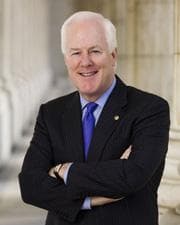
John Cornyn
Republican Senator
Texas
Cosponsors (1)
Judiciary Committee
- Introduced
- In Committee
- On Floor
- Passed Chamber
- Enacted
This legislation, known as the "Protecting Americans from Russian Litigation Act of 2025," establishes a policy to ensure that United States persons are not disadvantaged for complying with U.S. sanctions or export controls. It also seeks to prevent foreign persons from obtaining compensation for actions related to U.S. persons attempting in good faith to meet their obligations under these U.S. laws. The bill introduces a new section to title 28 of the U.S. Code to implement these protections. The core provision prohibits any person, other than the U.S. government, from bringing a civil action in federal or state court to enforce a foreign judgment or arbitral award under specific circumstances. This prohibition applies if the claim's underlying conduct resulted from actions taken to comply with United States sanctions impeding a contract's performance, or if the foreign court's jurisdiction was based on the imposition of U.S. sanctions or related foreign laws. Such actions to recognize or enforce these foreign judgments or awards may be removed to an appropriate U.S. district court, which is then mandated to dismiss the action. The bill clarifies that it does not limit the authority of the President or other U.S. officials, nor does it restrict rights or remedies available to U.S. victims of international terrorism or certain contractual rights where U.S. litigation or arbitration was agreed upon. It also preserves other state or federal law claims not involving the enforcement of prohibited foreign judgments. "United States sanctions" are defined as prohibitions or restrictions imposed to address threats to national security, foreign policy, or the economy, excluding import duties, and the new provisions apply to civil actions pending on or after the bill's enactment.
View Full TextSuggested Questions
Get AI-generated questions to help you understand this bill better
Timeline
Introduced in Senate
Read twice and referred to the Committee on the Judiciary.
International Affairs
Protecting Americans from Russian Litigation Act of 2025
USA119th CongressS-2934| Senate
| Updated: 9/29/2025
This legislation, known as the "Protecting Americans from Russian Litigation Act of 2025," establishes a policy to ensure that United States persons are not disadvantaged for complying with U.S. sanctions or export controls. It also seeks to prevent foreign persons from obtaining compensation for actions related to U.S. persons attempting in good faith to meet their obligations under these U.S. laws. The bill introduces a new section to title 28 of the U.S. Code to implement these protections. The core provision prohibits any person, other than the U.S. government, from bringing a civil action in federal or state court to enforce a foreign judgment or arbitral award under specific circumstances. This prohibition applies if the claim's underlying conduct resulted from actions taken to comply with United States sanctions impeding a contract's performance, or if the foreign court's jurisdiction was based on the imposition of U.S. sanctions or related foreign laws. Such actions to recognize or enforce these foreign judgments or awards may be removed to an appropriate U.S. district court, which is then mandated to dismiss the action. The bill clarifies that it does not limit the authority of the President or other U.S. officials, nor does it restrict rights or remedies available to U.S. victims of international terrorism or certain contractual rights where U.S. litigation or arbitration was agreed upon. It also preserves other state or federal law claims not involving the enforcement of prohibited foreign judgments. "United States sanctions" are defined as prohibitions or restrictions imposed to address threats to national security, foreign policy, or the economy, excluding import duties, and the new provisions apply to civil actions pending on or after the bill's enactment.
View Full TextSuggested Questions
Get AI-generated questions to help you understand this bill better
Timeline
Introduced in Senate
Read twice and referred to the Committee on the Judiciary.
John Cornyn
Republican Senator
Texas
Cosponsors (1)
Judiciary Committee
International Affairs
- Introduced
- In Committee
- On Floor
- Passed Chamber
- Enacted