Safer Supervision Act of 2025
USA119th CongressS-3077| Senate
| Updated: 10/30/2025
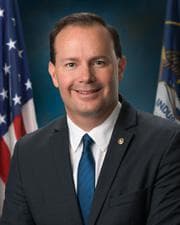
Mike Lee
Republican Senator
Utah
Cosponsors (5)
Judiciary Committee
- Introduced
- In Committee
- On Floor
- Passed Chamber
- Enacted
The "Safer Supervision Act of 2025" aims to reform federal supervised release by promoting more tailored and effective post-release supervision. It mandates that courts conduct an individualized assessment when determining whether to impose a term of supervised release, including its length and conditions, and to state their reasons on the record. A significant provision facilitates early termination of supervised release by removing the previous one-year minimum service requirement. The bill establishes a presumption of early termination for compliant individuals after serving 50% (or 66.6% for certain offenses) of their term, provided they demonstrate good conduct and public safety is not jeopardized. The Administrative Office of the United States Courts will notify eligible defendants of this opportunity, and victims' rights will be protected. The legislation also modifies certain conditions for the revocation of supervised release , particularly concerning controlled substance possession and refusal to comply with drug testing. Furthermore, it allows prisoners who were not sentenced to supervised release to apply earned time credits for earlier release, up to 12 months, at the discretion of the Bureau of Prisons. To support the federal probation system and inform future policy, the bill requires a report and legislative proposal for providing law enforcement availability pay to Federal probation and pretrial services officers. It also mandates a Government Accountability Office (GAO) study on federal post-release supervision and reentry services, including an assessment of officer caseloads, reentry programs, and funding formulas.
View Full TextSuggested Questions
Get AI-generated questions to help you understand this bill better
Timeline
Introduced in Senate
Read twice and referred to the Committee on the Judiciary.
Crime and Law Enforcement
Safer Supervision Act of 2025
USA119th CongressS-3077| Senate
| Updated: 10/30/2025
The "Safer Supervision Act of 2025" aims to reform federal supervised release by promoting more tailored and effective post-release supervision. It mandates that courts conduct an individualized assessment when determining whether to impose a term of supervised release, including its length and conditions, and to state their reasons on the record. A significant provision facilitates early termination of supervised release by removing the previous one-year minimum service requirement. The bill establishes a presumption of early termination for compliant individuals after serving 50% (or 66.6% for certain offenses) of their term, provided they demonstrate good conduct and public safety is not jeopardized. The Administrative Office of the United States Courts will notify eligible defendants of this opportunity, and victims' rights will be protected. The legislation also modifies certain conditions for the revocation of supervised release , particularly concerning controlled substance possession and refusal to comply with drug testing. Furthermore, it allows prisoners who were not sentenced to supervised release to apply earned time credits for earlier release, up to 12 months, at the discretion of the Bureau of Prisons. To support the federal probation system and inform future policy, the bill requires a report and legislative proposal for providing law enforcement availability pay to Federal probation and pretrial services officers. It also mandates a Government Accountability Office (GAO) study on federal post-release supervision and reentry services, including an assessment of officer caseloads, reentry programs, and funding formulas.
View Full TextSuggested Questions
Get AI-generated questions to help you understand this bill better
Timeline
Introduced in Senate
Read twice and referred to the Committee on the Judiciary.
Mike Lee
Republican Senator
Utah
Cosponsors (5)
Judiciary Committee
Crime and Law Enforcement
Related Bills
- Introduced
- In Committee
- On Floor
- Passed Chamber
- Enacted