Housing for All Veterans Act of 2025
USA119th CongressS-3137| Senate
| Updated: 11/6/2025
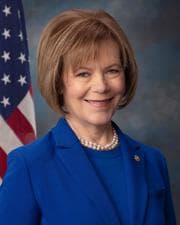
Tina Smith
Democratic Senator
Minnesota
Cosponsors (5)
Banking, Housing, and Urban Affairs Committee
- Introduced
- In Committee
- On Floor
- Passed Chamber
- Enacted
The "Housing for All Veterans Act of 2025" establishes a new rental assistance program specifically for low-income veteran families , amending the United States Housing Act of 1937. This program creates an entitlement to rental assistance for qualified veteran families, ensuring they receive support with reasonable promptness from public housing agencies. Eligibility for a qualified veteran family phases in over several years, starting with families at 50 percent of the extremely low-income limit in fiscal year 2026 and expanding to all low-income veteran families (up to 80 percent of area median income) by fiscal year 2030. Importantly, VA disability benefits are excluded when determining a veteran family's income for eligibility purposes, and continuing eligibility extends up to 100 percent of the area median income. The bill prohibits owners of five or more rental units from discriminating against prospective tenants based on their status as a voucher holder. It also mandates that the Secretary of Housing and Urban Development, in consultation with the Secretary of Veterans Affairs, provide public housing agencies with information on available veteran services, which must then be shared with assisted families. To support the administration of this program, public housing agencies will receive service fees of up to $4,000 per assisted household, adjusted annually for inflation, to cover costs associated with helping veterans secure housing. The legislation includes a permanent appropriation of such sums as necessary for fiscal year 2026 and subsequent years to fund the rental assistance, administrative fees, and service fees, ensuring sustained support for veteran housing needs.
View Full TextSuggested Questions
Get AI-generated questions to help you understand this bill better
Timeline
Introduced in Senate
Read twice and referred to the Committee on Banking, Housing, and Urban Affairs.
Armed Forces and National Security
Housing for All Veterans Act of 2025
USA119th CongressS-3137| Senate
| Updated: 11/6/2025
The "Housing for All Veterans Act of 2025" establishes a new rental assistance program specifically for low-income veteran families , amending the United States Housing Act of 1937. This program creates an entitlement to rental assistance for qualified veteran families, ensuring they receive support with reasonable promptness from public housing agencies. Eligibility for a qualified veteran family phases in over several years, starting with families at 50 percent of the extremely low-income limit in fiscal year 2026 and expanding to all low-income veteran families (up to 80 percent of area median income) by fiscal year 2030. Importantly, VA disability benefits are excluded when determining a veteran family's income for eligibility purposes, and continuing eligibility extends up to 100 percent of the area median income. The bill prohibits owners of five or more rental units from discriminating against prospective tenants based on their status as a voucher holder. It also mandates that the Secretary of Housing and Urban Development, in consultation with the Secretary of Veterans Affairs, provide public housing agencies with information on available veteran services, which must then be shared with assisted families. To support the administration of this program, public housing agencies will receive service fees of up to $4,000 per assisted household, adjusted annually for inflation, to cover costs associated with helping veterans secure housing. The legislation includes a permanent appropriation of such sums as necessary for fiscal year 2026 and subsequent years to fund the rental assistance, administrative fees, and service fees, ensuring sustained support for veteran housing needs.
View Full TextSuggested Questions
Get AI-generated questions to help you understand this bill better
Timeline
Introduced in Senate
Read twice and referred to the Committee on Banking, Housing, and Urban Affairs.
Tina Smith
Democratic Senator
Minnesota
Cosponsors (5)
Banking, Housing, and Urban Affairs Committee
Armed Forces and National Security
- Introduced
- In Committee
- On Floor
- Passed Chamber
- Enacted