Accountability for Better Care Act of 2025
USA119th CongressS-3391| Senate
| Updated: 12/9/2025
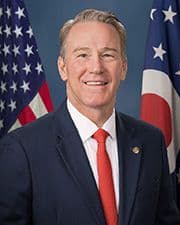
Jon Husted
Republican Senator
Ohio
Finance Committee
- Introduced
- In Committee
- On Floor
- Passed Chamber
- Enacted
This bill significantly amends the Internal Revenue Code to extend and modify enhanced premium tax credits, aiming to make health insurance more affordable for a broader range of individuals. It extends these credits through 2027 and expands eligibility to those with incomes up to 600 percent of the federal poverty line , adjusting the applicable percentages for these higher income brackets. The legislation introduces a minimum monthly payment rule, ensuring that the premium assistance amount does not reduce a taxpayer's monthly premium below $5. A key change involves eligibility requirements, as the bill restricts both premium tax credits and cost-sharing reductions to U.S. citizens for taxable and plan years beginning after December 31, 2025, thereby narrowing the pool of eligible non-citizens. Additionally, the bill introduces new rules regarding abortion coverage, stipulating that a plan providing benefits or coverage for abortions will not be considered a qualified health plan eligible for premium tax credits. Exceptions are made for cases where the mother's life is endangered, or the pregnancy results from rape or incest. Finally, the bill ensures the long-term stability of cost-sharing reductions by providing a permanent appropriation for these payments starting in 2027.
View Full TextSuggested Questions
Get AI-generated questions to help you understand this bill better
Timeline
Introduced in Senate
Read twice and referred to the Committee on Finance.
Taxation
Accountability for Better Care Act of 2025
USA119th CongressS-3391| Senate
| Updated: 12/9/2025
This bill significantly amends the Internal Revenue Code to extend and modify enhanced premium tax credits, aiming to make health insurance more affordable for a broader range of individuals. It extends these credits through 2027 and expands eligibility to those with incomes up to 600 percent of the federal poverty line , adjusting the applicable percentages for these higher income brackets. The legislation introduces a minimum monthly payment rule, ensuring that the premium assistance amount does not reduce a taxpayer's monthly premium below $5. A key change involves eligibility requirements, as the bill restricts both premium tax credits and cost-sharing reductions to U.S. citizens for taxable and plan years beginning after December 31, 2025, thereby narrowing the pool of eligible non-citizens. Additionally, the bill introduces new rules regarding abortion coverage, stipulating that a plan providing benefits or coverage for abortions will not be considered a qualified health plan eligible for premium tax credits. Exceptions are made for cases where the mother's life is endangered, or the pregnancy results from rape or incest. Finally, the bill ensures the long-term stability of cost-sharing reductions by providing a permanent appropriation for these payments starting in 2027.
View Full TextSuggested Questions
Get AI-generated questions to help you understand this bill better
Timeline
Introduced in Senate
Read twice and referred to the Committee on Finance.
Jon Husted
Republican Senator
Ohio
Finance Committee
Taxation
- Introduced
- In Committee
- On Floor
- Passed Chamber
- Enacted