Ensuring Excellence in Mental Health Act
USA119th CongressS-3402| Senate
| Updated: 12/9/2025
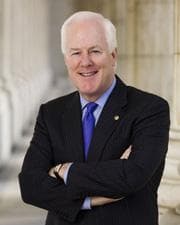
John Cornyn
Republican Senator
Texas
Finance Committee
- Introduced
- In Committee
- On Floor
- Passed Chamber
- Enacted
The "Ensuring Excellence in Mental Health Act" seeks to significantly enhance the Certified Community Behavioral Health Clinic (CCBHC) program across federal health care systems. It mandates the establishment of a Medicaid prospective payment system (PPS) for CCBHC services, effective January 1, 2026. This system ensures that clinics receive cost-related payments, adjusted annually for inflation, and includes provisions for special populations or outlier payments. States also gain flexibility to establish initial rates for new clinics and periodically rebase their PPS rates. Furthermore, the bill expands the range of services that CCBHCs can provide under Medicaid. Beginning October 1, 2026, both the Medicaid demonstration program and the standard State plan will cover an expanded set of required and additional services . These include crisis mental health services, screening, assessment, outpatient mental health and substance use services, and primary care screening, along with new optional primary health services. This expansion aims to foster more integrated and comprehensive care delivery. A major provision of the bill is the extension of Medicare coverage for CCBHC services , effective January 1, 2027. To support this, the Secretary of Health and Human Services is directed to develop and implement a Medicare prospective payment system for these clinics. This new payment system will consider the type, intensity, and duration of services, ensuring appropriate reimbursement. Importantly, the bill also waives the Medicare Part B deductible for CCBHC services, making care more accessible for beneficiaries. Beyond payment, the legislation grants CCBHCs the right to seek review of their cost reports by the Payment Reimbursement Review Board. It also extends safe harbor protection under the anti-kickback statute for waivers of CCBHC coinsurance. These measures aim to reduce financial barriers and provide regulatory clarity for CCBHCs operating within the Medicare framework. The bill establishes a new federal operating grant program for CCBHCs under the Public Health Service Act, authorizing $552.5 million annually from FY2026-2030. These grants will support the provision of comprehensive services, help clinics achieve certification and accreditation, and improve access and quality. Additionally, it creates a technical assistance program ($8 million annually) to support CCBHCs and stakeholders, and mandates a data infrastructure ($51 million annually) for collecting and analyzing CCBHC data. Finally, the legislation introduces a framework for CCBHC accreditation standards , allowing states to require accreditation for Medicaid participation. It also extends Federal Tort Claims Act (FTCA) protection to clinicians working in CCBHCs. This provision shields individual clinicians from personal liability in certain circumstances, aligning them with other federally supported health centers and encouraging workforce participation.
View Full TextSuggested Questions
Get AI-generated questions to help you understand this bill better
Timeline
Introduced in Senate
Read twice and referred to the Committee on Finance.
Health
Ensuring Excellence in Mental Health Act
USA119th CongressS-3402| Senate
| Updated: 12/9/2025
The "Ensuring Excellence in Mental Health Act" seeks to significantly enhance the Certified Community Behavioral Health Clinic (CCBHC) program across federal health care systems. It mandates the establishment of a Medicaid prospective payment system (PPS) for CCBHC services, effective January 1, 2026. This system ensures that clinics receive cost-related payments, adjusted annually for inflation, and includes provisions for special populations or outlier payments. States also gain flexibility to establish initial rates for new clinics and periodically rebase their PPS rates. Furthermore, the bill expands the range of services that CCBHCs can provide under Medicaid. Beginning October 1, 2026, both the Medicaid demonstration program and the standard State plan will cover an expanded set of required and additional services . These include crisis mental health services, screening, assessment, outpatient mental health and substance use services, and primary care screening, along with new optional primary health services. This expansion aims to foster more integrated and comprehensive care delivery. A major provision of the bill is the extension of Medicare coverage for CCBHC services , effective January 1, 2027. To support this, the Secretary of Health and Human Services is directed to develop and implement a Medicare prospective payment system for these clinics. This new payment system will consider the type, intensity, and duration of services, ensuring appropriate reimbursement. Importantly, the bill also waives the Medicare Part B deductible for CCBHC services, making care more accessible for beneficiaries. Beyond payment, the legislation grants CCBHCs the right to seek review of their cost reports by the Payment Reimbursement Review Board. It also extends safe harbor protection under the anti-kickback statute for waivers of CCBHC coinsurance. These measures aim to reduce financial barriers and provide regulatory clarity for CCBHCs operating within the Medicare framework. The bill establishes a new federal operating grant program for CCBHCs under the Public Health Service Act, authorizing $552.5 million annually from FY2026-2030. These grants will support the provision of comprehensive services, help clinics achieve certification and accreditation, and improve access and quality. Additionally, it creates a technical assistance program ($8 million annually) to support CCBHCs and stakeholders, and mandates a data infrastructure ($51 million annually) for collecting and analyzing CCBHC data. Finally, the legislation introduces a framework for CCBHC accreditation standards , allowing states to require accreditation for Medicaid participation. It also extends Federal Tort Claims Act (FTCA) protection to clinicians working in CCBHCs. This provision shields individual clinicians from personal liability in certain circumstances, aligning them with other federally supported health centers and encouraging workforce participation.
View Full TextSuggested Questions
Get AI-generated questions to help you understand this bill better
Timeline
Introduced in Senate
Read twice and referred to the Committee on Finance.
John Cornyn
Republican Senator
Texas
Finance Committee
Health
- Introduced
- In Committee
- On Floor
- Passed Chamber
- Enacted