Wildfire Emergency Act of 2025
USA119th CongressS-350| Senate
| Updated: 7/17/2025
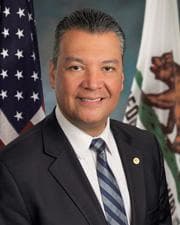
Alex Padilla
Democratic Senator
California
Cosponsors (2)
Agriculture, Nutrition, and Forestry Committee, Energy and Natural Resources Committee
- Introduced
- In Committee
- On Floor
- Passed Chamber
- Enacted
This legislation, titled the "Wildfire Emergency Act of 2025," aims to significantly increase the pace and scale of forest restoration and enhance community resilience to wildfires across the National Forest System and surrounding areas. It is structured into three main titles, addressing landscape-scale restoration, community resilience, and capacity building. Title I establishes a pilot program for conservation finance agreements , enabling the Secretary of Agriculture to partner with public and private entities. These agreements are designed to leverage non-Federal investment for large-scale forest restoration projects, particularly those exceeding 100,000 acres, by using a debt financing approach where loaned capital is repaid by project beneficiaries. The program prioritizes projects that reintroduce prescribed fire, restore ecological integrity, and reduce the risk of uncharacteristic wildfires, with a required 40% non-Federal cost share. Title II focuses on increasing community resilience to wildfire. It directs the Secretary of Energy to create a Critical Infrastructure and Microgrid Program to improve energy resilience for essential facilities like hospitals and schools, utilizing microgrids, renewable energy, and on-site storage. This title also amends the Weatherization Assistance Program to include fire-resistant building materials and increases the allowable average cost for weatherization projects. Additionally, it mandates the expedited placement and use of advanced wildfire detection, monitoring, and analysis equipment by the Secretaries of Agriculture and the Interior. Title III addresses research, training, and capacity building. It establishes Western Prescribed Fire Centers at institutions of higher education to train individuals in prescribed fire methods, conduct interdisciplinary wildfire science, and assess stakeholder needs. The bill also creates an Innovative Forest Workforce Development Program , offering competitive grants for training and career development in various forestry and fire management fields. Finally, it establishes a National Community Capacity and Land Stewardship Grant Program to provide grants to disadvantaged communities and Indian Tribes, fostering their ability to engage in land stewardship activities, ecological restoration, and wildfire resilience efforts.
Suggested Questions
Get AI-generated questions to help you understand this bill better
Timeline
Introduced in Senate
Read twice and referred to the Committee on Energy and Natural Resources.
Referred to the Committee on Agriculture, Nutrition, and Forestry.
Senate Committee on Energy and Natural Resources discharged by Unanimous Consent.
Public Lands and Natural Resources
Advisory bodiesAir qualityAlternative and renewable resourcesAquatic ecologyClimate change and greenhouse gasesCongressional oversightCorrectional facilities and imprisonmentDisaster relief and insuranceEcologyEconomic developmentEducational facilities and institutionsEducational guidanceElectric power generation and transmissionElementary and secondary educationEmployment and training programsEnergy efficiency and conservationEnergy storage, supplies, demandEnvironmental assessment, monitoring, researchEnvironmental educationExecutive agency funding and structureFiresFirst responders and emergency personnelForests, forestry, treesGovernment information and archivesHealth facilities and institutionsInfrastructure developmentLand use and conservationMilitary facilities and propertyPoverty and welfare assistancePublic contracts and procurementPublic-private cooperationPublic utilities and utility ratesState and local government operationsTechnology transfer and commercializationVocational and technical educationWater use and supply
Wildfire Emergency Act of 2025
USA119th CongressS-350| Senate
| Updated: 7/17/2025
This legislation, titled the "Wildfire Emergency Act of 2025," aims to significantly increase the pace and scale of forest restoration and enhance community resilience to wildfires across the National Forest System and surrounding areas. It is structured into three main titles, addressing landscape-scale restoration, community resilience, and capacity building. Title I establishes a pilot program for conservation finance agreements , enabling the Secretary of Agriculture to partner with public and private entities. These agreements are designed to leverage non-Federal investment for large-scale forest restoration projects, particularly those exceeding 100,000 acres, by using a debt financing approach where loaned capital is repaid by project beneficiaries. The program prioritizes projects that reintroduce prescribed fire, restore ecological integrity, and reduce the risk of uncharacteristic wildfires, with a required 40% non-Federal cost share. Title II focuses on increasing community resilience to wildfire. It directs the Secretary of Energy to create a Critical Infrastructure and Microgrid Program to improve energy resilience for essential facilities like hospitals and schools, utilizing microgrids, renewable energy, and on-site storage. This title also amends the Weatherization Assistance Program to include fire-resistant building materials and increases the allowable average cost for weatherization projects. Additionally, it mandates the expedited placement and use of advanced wildfire detection, monitoring, and analysis equipment by the Secretaries of Agriculture and the Interior. Title III addresses research, training, and capacity building. It establishes Western Prescribed Fire Centers at institutions of higher education to train individuals in prescribed fire methods, conduct interdisciplinary wildfire science, and assess stakeholder needs. The bill also creates an Innovative Forest Workforce Development Program , offering competitive grants for training and career development in various forestry and fire management fields. Finally, it establishes a National Community Capacity and Land Stewardship Grant Program to provide grants to disadvantaged communities and Indian Tribes, fostering their ability to engage in land stewardship activities, ecological restoration, and wildfire resilience efforts.
Suggested Questions
Get AI-generated questions to help you understand this bill better
Timeline
Introduced in Senate
Read twice and referred to the Committee on Energy and Natural Resources.
Referred to the Committee on Agriculture, Nutrition, and Forestry.
Senate Committee on Energy and Natural Resources discharged by Unanimous Consent.
Alex Padilla
Democratic Senator
California
Cosponsors (2)
Agriculture, Nutrition, and Forestry Committee, Energy and Natural Resources Committee
Public Lands and Natural Resources
- Introduced
- In Committee
- On Floor
- Passed Chamber
- Enacted
Advisory bodiesAir qualityAlternative and renewable resourcesAquatic ecologyClimate change and greenhouse gasesCongressional oversightCorrectional facilities and imprisonmentDisaster relief and insuranceEcologyEconomic developmentEducational facilities and institutionsEducational guidanceElectric power generation and transmissionElementary and secondary educationEmployment and training programsEnergy efficiency and conservationEnergy storage, supplies, demandEnvironmental assessment, monitoring, researchEnvironmental educationExecutive agency funding and structureFiresFirst responders and emergency personnelForests, forestry, treesGovernment information and archivesHealth facilities and institutionsInfrastructure developmentLand use and conservationMilitary facilities and propertyPoverty and welfare assistancePublic contracts and procurementPublic-private cooperationPublic utilities and utility ratesState and local government operationsTechnology transfer and commercializationVocational and technical educationWater use and supply