No War with Venezuela Act of 2026
USA119th CongressS-3595| Senate
| Updated: 1/7/2026
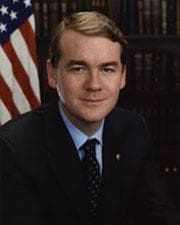
Michael F. Bennet
Democratic Senator
Colorado
Foreign Relations Committee
- Introduced
- In Committee
- On Floor
- Passed Chamber
- Enacted
This legislation, known as the "No War with Venezuela Act of 2026," aims to restrict the deployment of United States military or intelligence personnel in Venezuela. It specifically prohibits the use of federal funds for such deployments without explicit congressional authorization, targeting a range of activities deemed inappropriate for unilateral executive action. The bill outlines several key prohibited purposes, including conducting military operations against the Venezuelan regime or people, assisting U.S. law enforcement in arresting indicted individuals, and any form of military occupation or administration of Venezuelan governance. It also forbids providing security or services to private extractive industries, such as oil companies, and any other activities not explicitly authorized by Congress. However, the bill includes important exceptions to these prohibitions. Funds may still be used for defending against an attack by Venezuela outside the U.S., for general intelligence and counterintelligence activities , and for ensuring the security of U.S. diplomatic presence. Further exceptions allow for intelligence gathering to secure the return of wrongfully detained U.S. nationals, interdict illicit narcotics emanating from Venezuela, and counter the activities of adversarial governments like China, Russia, Iran, and North Korea in the region.
View Full TextSuggested Questions
Get AI-generated questions to help you understand this bill better
Timeline
Introduced in Senate
Read twice and referred to the Committee on Foreign Relations.
International Affairs
No War with Venezuela Act of 2026
USA119th CongressS-3595| Senate
| Updated: 1/7/2026
This legislation, known as the "No War with Venezuela Act of 2026," aims to restrict the deployment of United States military or intelligence personnel in Venezuela. It specifically prohibits the use of federal funds for such deployments without explicit congressional authorization, targeting a range of activities deemed inappropriate for unilateral executive action. The bill outlines several key prohibited purposes, including conducting military operations against the Venezuelan regime or people, assisting U.S. law enforcement in arresting indicted individuals, and any form of military occupation or administration of Venezuelan governance. It also forbids providing security or services to private extractive industries, such as oil companies, and any other activities not explicitly authorized by Congress. However, the bill includes important exceptions to these prohibitions. Funds may still be used for defending against an attack by Venezuela outside the U.S., for general intelligence and counterintelligence activities , and for ensuring the security of U.S. diplomatic presence. Further exceptions allow for intelligence gathering to secure the return of wrongfully detained U.S. nationals, interdict illicit narcotics emanating from Venezuela, and counter the activities of adversarial governments like China, Russia, Iran, and North Korea in the region.
View Full TextSuggested Questions
Get AI-generated questions to help you understand this bill better
Timeline
Introduced in Senate
Read twice and referred to the Committee on Foreign Relations.
Michael F. Bennet
Democratic Senator
Colorado
Foreign Relations Committee
International Affairs
- Introduced
- In Committee
- On Floor
- Passed Chamber
- Enacted