Credit Card Fairness Act
USA119th CongressS-3660| Senate
| Updated: 1/15/2026
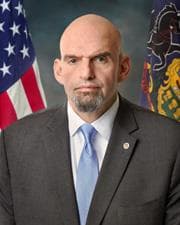
John Fetterman
Democratic Senator
Pennsylvania
Cosponsors (5)
Banking, Housing, and Urban Affairs Committee
- Introduced
- In Committee
- On Floor
- Passed Chamber
- Enacted
The Credit Card Fairness Act seeks to amend the Truth in Lending Act by codifying the Consumer Financial Protection Bureau's (CFPB) existing rule on credit card late fees. Its primary purpose is to ensure that late fees are reasonable and proportional to the actual costs incurred by credit card issuers, rather than serving as a source of profit. This legislation specifically establishes an $8 cap on late fees for large credit card issuers , defined as those with one million or more open accounts. Beyond the initial cap, the bill mandates that any imposed late fee must not exceed the total costs incurred by the issuer due to the late payment. It grants the CFPB the authority to periodically increase the $8 cap for all large credit card issuers, aligning the adjustment with changes in the Consumer Price Index . Furthermore, the bill specifies that any legal challenges to its provisions or the Bureau's decisions must be filed in the United States District Court for the District of Columbia, and it outlines rulemaking requirements for the CFPB, including the public release of research informing proposed rules.
View Full TextSuggested Questions
Get AI-generated questions to help you understand this bill better
Timeline
Introduced in Senate
Read twice and referred to the Committee on Banking, Housing, and Urban Affairs.
Finance and Financial Sector
Credit Card Fairness Act
USA119th CongressS-3660| Senate
| Updated: 1/15/2026
The Credit Card Fairness Act seeks to amend the Truth in Lending Act by codifying the Consumer Financial Protection Bureau's (CFPB) existing rule on credit card late fees. Its primary purpose is to ensure that late fees are reasonable and proportional to the actual costs incurred by credit card issuers, rather than serving as a source of profit. This legislation specifically establishes an $8 cap on late fees for large credit card issuers , defined as those with one million or more open accounts. Beyond the initial cap, the bill mandates that any imposed late fee must not exceed the total costs incurred by the issuer due to the late payment. It grants the CFPB the authority to periodically increase the $8 cap for all large credit card issuers, aligning the adjustment with changes in the Consumer Price Index . Furthermore, the bill specifies that any legal challenges to its provisions or the Bureau's decisions must be filed in the United States District Court for the District of Columbia, and it outlines rulemaking requirements for the CFPB, including the public release of research informing proposed rules.
View Full TextSuggested Questions
Get AI-generated questions to help you understand this bill better
Timeline
Introduced in Senate
Read twice and referred to the Committee on Banking, Housing, and Urban Affairs.
John Fetterman
Democratic Senator
Pennsylvania
Cosponsors (5)
Banking, Housing, and Urban Affairs Committee
Finance and Financial Sector
- Introduced
- In Committee
- On Floor
- Passed Chamber
- Enacted