NO GOTION Act
USA119th CongressS-369| Senate
| Updated: 2/3/2025
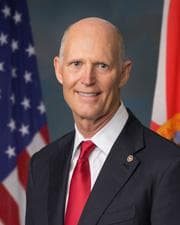
Rick Scott
Republican Senator
Florida
Finance Committee
- Introduced
- In Committee
- On Floor
- Passed Chamber
- Enacted
This legislation proposes to amend the Internal Revenue Code of 1986 by adding a new section 7531, which aims to deny certain green energy tax benefits to companies identified as "disqualified companies." The bill specifies a comprehensive list of tax code sections, such as 30C, 45, 48, and 179D, that would no longer apply to these entities. This measure seeks to prevent U.S. taxpayer-funded incentives from benefiting entities linked to adversarial foreign governments. A "disqualified company" is broadly defined to include several categories of entities associated with foreign adversaries. This encompasses governments or instrumentalities of a foreign adversary, entities organized under their laws or headquartered within them, and any entity where 10 percent or more of outstanding equity is held by such parties. Additionally, companies directly or indirectly controlled, directed, or materially influenced by foreign adversary parties, or those with certain debt or contractual arrangements providing influence or substantial benefit to them, are also considered disqualified. The term "foreign adversary" is defined by reference to existing U.S. Code, but explicitly expands to include the Republic of Cuba and the Bolivarian Republic of Venezuela during Nicholas Maduro's presidency. The Secretary of the Treasury is authorized to issue guidance for implementation, including rules to prevent entities from evading or circumventing these requirements. These amendments will apply to taxable years beginning after the date of the Act's enactment.
View Full TextSuggested Questions
Get AI-generated questions to help you understand this bill better
Timeline
Introduced in Senate
Read twice and referred to the Committee on Finance.
Taxation
NO GOTION Act
USA119th CongressS-369| Senate
| Updated: 2/3/2025
This legislation proposes to amend the Internal Revenue Code of 1986 by adding a new section 7531, which aims to deny certain green energy tax benefits to companies identified as "disqualified companies." The bill specifies a comprehensive list of tax code sections, such as 30C, 45, 48, and 179D, that would no longer apply to these entities. This measure seeks to prevent U.S. taxpayer-funded incentives from benefiting entities linked to adversarial foreign governments. A "disqualified company" is broadly defined to include several categories of entities associated with foreign adversaries. This encompasses governments or instrumentalities of a foreign adversary, entities organized under their laws or headquartered within them, and any entity where 10 percent or more of outstanding equity is held by such parties. Additionally, companies directly or indirectly controlled, directed, or materially influenced by foreign adversary parties, or those with certain debt or contractual arrangements providing influence or substantial benefit to them, are also considered disqualified. The term "foreign adversary" is defined by reference to existing U.S. Code, but explicitly expands to include the Republic of Cuba and the Bolivarian Republic of Venezuela during Nicholas Maduro's presidency. The Secretary of the Treasury is authorized to issue guidance for implementation, including rules to prevent entities from evading or circumventing these requirements. These amendments will apply to taxable years beginning after the date of the Act's enactment.
View Full TextSuggested Questions
Get AI-generated questions to help you understand this bill better
Timeline
Introduced in Senate
Read twice and referred to the Committee on Finance.
Rick Scott
Republican Senator
Florida
Finance Committee
Taxation
- Introduced
- In Committee
- On Floor
- Passed Chamber
- Enacted