Lowering Home Energy Costs Act
USA119th CongressS-3722| Senate
| Updated: 1/29/2026
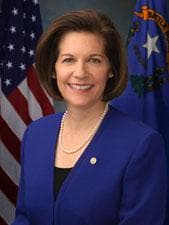
Catherine Cortez Masto
Democratic Senator
Nevada
Finance Committee
- Introduced
- In Committee
- On Floor
- Passed Chamber
- Enacted
This bill seeks to promote energy efficiency by making significant changes to federal tax credits within the Internal Revenue Code. It proposes to extend the New Energy Efficient Home Credit (Section 45L) for several years, moving its expiration date from June 30, 2026, to December 31, 2032. Furthermore, the legislation would also extend the Residential Clean Energy Credit (Section 25D), pushing its expiration from December 31, 2025, to December 31, 2032. A crucial provision of the bill is the restoration of the Energy Efficient Home Improvement Credit (Section 25C), which involves repealing a previous legislative act that had eliminated it. This restoration would be retroactive, taking effect as if the prior repeal had never occurred, thereby reinstating incentives for homeowners to invest in energy-saving improvements.
View Full TextSuggested Questions
Get AI-generated questions to help you understand this bill better
Timeline
Introduced in Senate
Read twice and referred to the Committee on Finance.
Taxation
Lowering Home Energy Costs Act
USA119th CongressS-3722| Senate
| Updated: 1/29/2026
This bill seeks to promote energy efficiency by making significant changes to federal tax credits within the Internal Revenue Code. It proposes to extend the New Energy Efficient Home Credit (Section 45L) for several years, moving its expiration date from June 30, 2026, to December 31, 2032. Furthermore, the legislation would also extend the Residential Clean Energy Credit (Section 25D), pushing its expiration from December 31, 2025, to December 31, 2032. A crucial provision of the bill is the restoration of the Energy Efficient Home Improvement Credit (Section 25C), which involves repealing a previous legislative act that had eliminated it. This restoration would be retroactive, taking effect as if the prior repeal had never occurred, thereby reinstating incentives for homeowners to invest in energy-saving improvements.
View Full TextSuggested Questions
Get AI-generated questions to help you understand this bill better
Timeline
Introduced in Senate
Read twice and referred to the Committee on Finance.
Catherine Cortez Masto
Democratic Senator
Nevada
Finance Committee
Taxation
- Introduced
- In Committee
- On Floor
- Passed Chamber
- Enacted