Dismantle DEI Act of 2025
USA119th CongressS-382| Senate
| Updated: 2/4/2025
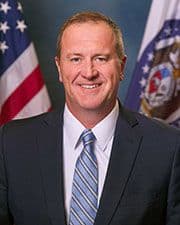
Eric Schmitt
Republican Senator
Missouri
Cosponsors (19)
Tommy Tuberville (Republican)Rick Scott (Republican)Bill Cassidy (Republican)Roger Marshall (Republican)Jim Banks (Republican)Cindy Hyde-Smith (Republican)Mike Lee (Republican)James E. Risch (Republican)Cynthia M. Lummis (Republican)Ron Johnson (Republican)Marsha Blackburn (Republican)Tom Cotton (Republican)Tim Sheehy (Republican)Kevin Cramer (Republican)James Lankford (Republican)Josh Hawley (Republican)Steve Daines (Republican)Ted Budd (Republican)Mike Crapo (Republican)
Homeland Security and Governmental Affairs Committee
- Introduced
- In Committee
- On Floor
- Passed Chamber
- Enacted
The "Dismantle DEI Act of 2025" aims to eliminate Diversity, Equity, and Inclusion (DEI) initiatives throughout the federal government and its associated entities. It introduces a new definition of "prohibited diversity, equity, or inclusion practice" into the Civil Rights Act of 1964. This definition includes discriminating based on race, color, ethnicity, religion, biological sex, or national origin. It also prohibits requiring training or assent to statements that assert a particular group is inherently superior or inferior, oppressive or oppressed, or privileged or unprivileged. The bill mandates the rescission of several executive orders and memoranda related to advancing racial equity, gender policy, and DEIA within the federal workforce. Federal agencies are required to close any programs or offices established under these rescinded orders, leading to reductions in force without employee reassignment. The Office of Personnel Management (OPM) must revise its regulations, terminate its Office of Diversity, Equity, Inclusion, and Accessibility (ODEIA), and dissolve the Chief Diversity Officers Executive Council. The Office of Management and Budget (OMB) is similarly directed to revise its policies and rescind specific equity-related circulars. A central provision prohibits the use of federal funds for maintaining DEI offices, employing Chief Diversity Officers, or developing and implementing certain DEI-related plans, reports, or training courses. This includes training on critical race theory, intersectionality, or any content asserting group superiority or inferiority. The bill also forbids the creation or maintenance of employee resource groups based on protected characteristics. Importantly, these prohibitions do not apply to traditional Equal Employment Opportunity (EEO) offices or programs enforcing the Americans with Disabilities Act (ADA). The legislation amends federal personnel law to classify certain actions as prohibited personnel practices. Specifically, it protects employees from adverse personnel actions for refusing to complete DEI training or sign statements related to DEI, critical theory, or intersectionality. It also prohibits adverse performance evaluations for such refusals. Furthermore, federal training programs are explicitly forbidden from developing or requiring participation in courses related to DEI, critical theory, or those asserting inherent group differences in status. The scope of the bill extends beyond direct federal operations to federal contractors, grant recipients, and cooperative agreements. These entities are prohibited from using federal funds for DEI offices, Chief Diversity Officers, or specific DEI-related training, and must not engage in "prohibited DEI practices." In education, the bill requires accrediting agencies to ensure their standards do not mandate or encourage "prohibited DEI practices" or assess ideological commitment, while protecting religious institutions. It also repeals specific DEI programs and offices within various federal departments, including the Department of Defense and financial regulatory bodies. Finally, the bill establishes a private cause of action, allowing individuals to sue in federal court for alleged violations of the Act. Successful plaintiffs may be awarded injunctive relief, monetary penalties of at least $1,000 per day per violation, reasonable attorney's fees, and compensatory damages. A severability clause ensures that if any part of the Act is deemed unconstitutional, the remaining provisions will remain in effect.
View Full TextSuggested Questions
Get AI-generated questions to help you understand this bill better
Timeline
Introduced in Senate
Read twice and referred to the Committee on Homeland Security and Governmental Affairs.
Civil Rights and Liberties, Minority Issues
Advisory bodiesCivil actions and liabilityCoast guardCommunity life and organizationDepartment of DefenseDepartment of Homeland SecurityDirector of National IntelligenceEducation programs fundingEmployee performanceEmployment and training programsEmployment discrimination and employee rightsExecutive agency funding and structureFederal district courtsFederal officialsGovernment corporations and government-sponsored enterprisesGovernment employee pay, benefits, personnel managementGovernment information and archivesHealth personnelHealth programs administration and fundingHigher educationHousing finance and home ownershipJurisdiction and venueMilitary command and structureMinority employmentNursingOffice of Personnel Management (OPM)Public contracts and procurementRacial and ethnic relationsSex, gender, sexual orientation discriminationWomen's employment
Dismantle DEI Act of 2025
USA119th CongressS-382| Senate
| Updated: 2/4/2025
The "Dismantle DEI Act of 2025" aims to eliminate Diversity, Equity, and Inclusion (DEI) initiatives throughout the federal government and its associated entities. It introduces a new definition of "prohibited diversity, equity, or inclusion practice" into the Civil Rights Act of 1964. This definition includes discriminating based on race, color, ethnicity, religion, biological sex, or national origin. It also prohibits requiring training or assent to statements that assert a particular group is inherently superior or inferior, oppressive or oppressed, or privileged or unprivileged. The bill mandates the rescission of several executive orders and memoranda related to advancing racial equity, gender policy, and DEIA within the federal workforce. Federal agencies are required to close any programs or offices established under these rescinded orders, leading to reductions in force without employee reassignment. The Office of Personnel Management (OPM) must revise its regulations, terminate its Office of Diversity, Equity, Inclusion, and Accessibility (ODEIA), and dissolve the Chief Diversity Officers Executive Council. The Office of Management and Budget (OMB) is similarly directed to revise its policies and rescind specific equity-related circulars. A central provision prohibits the use of federal funds for maintaining DEI offices, employing Chief Diversity Officers, or developing and implementing certain DEI-related plans, reports, or training courses. This includes training on critical race theory, intersectionality, or any content asserting group superiority or inferiority. The bill also forbids the creation or maintenance of employee resource groups based on protected characteristics. Importantly, these prohibitions do not apply to traditional Equal Employment Opportunity (EEO) offices or programs enforcing the Americans with Disabilities Act (ADA). The legislation amends federal personnel law to classify certain actions as prohibited personnel practices. Specifically, it protects employees from adverse personnel actions for refusing to complete DEI training or sign statements related to DEI, critical theory, or intersectionality. It also prohibits adverse performance evaluations for such refusals. Furthermore, federal training programs are explicitly forbidden from developing or requiring participation in courses related to DEI, critical theory, or those asserting inherent group differences in status. The scope of the bill extends beyond direct federal operations to federal contractors, grant recipients, and cooperative agreements. These entities are prohibited from using federal funds for DEI offices, Chief Diversity Officers, or specific DEI-related training, and must not engage in "prohibited DEI practices." In education, the bill requires accrediting agencies to ensure their standards do not mandate or encourage "prohibited DEI practices" or assess ideological commitment, while protecting religious institutions. It also repeals specific DEI programs and offices within various federal departments, including the Department of Defense and financial regulatory bodies. Finally, the bill establishes a private cause of action, allowing individuals to sue in federal court for alleged violations of the Act. Successful plaintiffs may be awarded injunctive relief, monetary penalties of at least $1,000 per day per violation, reasonable attorney's fees, and compensatory damages. A severability clause ensures that if any part of the Act is deemed unconstitutional, the remaining provisions will remain in effect.
View Full TextSuggested Questions
Get AI-generated questions to help you understand this bill better
Timeline
Introduced in Senate
Read twice and referred to the Committee on Homeland Security and Governmental Affairs.
Eric Schmitt
Republican Senator
Missouri
Cosponsors (19)
Tommy Tuberville (Republican)Rick Scott (Republican)Bill Cassidy (Republican)Roger Marshall (Republican)Jim Banks (Republican)Cindy Hyde-Smith (Republican)Mike Lee (Republican)James E. Risch (Republican)Cynthia M. Lummis (Republican)Ron Johnson (Republican)Marsha Blackburn (Republican)Tom Cotton (Republican)Tim Sheehy (Republican)Kevin Cramer (Republican)James Lankford (Republican)Josh Hawley (Republican)Steve Daines (Republican)Ted Budd (Republican)Mike Crapo (Republican)
Homeland Security and Governmental Affairs Committee
Civil Rights and Liberties, Minority Issues
Related Bills
- Introduced
- In Committee
- On Floor
- Passed Chamber
- Enacted
Advisory bodiesCivil actions and liabilityCoast guardCommunity life and organizationDepartment of DefenseDepartment of Homeland SecurityDirector of National IntelligenceEducation programs fundingEmployee performanceEmployment and training programsEmployment discrimination and employee rightsExecutive agency funding and structureFederal district courtsFederal officialsGovernment corporations and government-sponsored enterprisesGovernment employee pay, benefits, personnel managementGovernment information and archivesHealth personnelHealth programs administration and fundingHigher educationHousing finance and home ownershipJurisdiction and venueMilitary command and structureMinority employmentNursingOffice of Personnel Management (OPM)Public contracts and procurementRacial and ethnic relationsSex, gender, sexual orientation discriminationWomen's employment