CLEAN SMART Act of 2026
USA119th CongressS-3828| Senate
| Updated: 2/11/2026
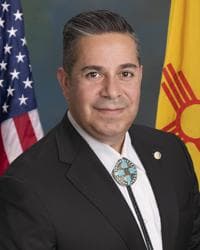
Ben Ray Luján
Democratic Senator
New Mexico
Cosponsors (1)
Energy and Natural Resources Committee
- Introduced
- In Committee
- On Floor
- Passed Chamber
- Enacted
The CLEAN SMART Act of 2026 aims to significantly accelerate the development, demonstration, and deployment of advanced technologies and innovative solutions for the Department of Energy's (DOE) environmental cleanup missions. Its primary goals are to reduce the cost and timeframe of cleaning up radioactive and hazardous waste, mitigate risks to public health and the environment, and prevent the future generation and accumulation of nuclear waste from current and anticipated nuclear activities. A central provision of the Act is the establishment of the Network of National Laboratories for Environmental Management and Stewardship . This Network will leverage the scientific and technical expertise of various National Laboratories to develop and test alternative treatment technologies and disposal methods, identify technical support resources, and conduct independent reviews of cleanup plans. It is tasked with collaborating across federal agencies, academia, and industry to ensure best practices and facilitate technology transfer, while also providing technical expertise for contract decisions and supporting career pathway training in environmental remediation science. The bill also mandates improved coordination across the DOE and other federal agencies on science and technology efforts applicable to environmental cleanup. This includes creating an Interagency Advisory Group on Technology Excellence in Environmental Cleanup to coordinate technology transfer and exchange mission-relevant information among diverse stakeholders. Additionally, the Secretary of Energy and the Director of the Office of Science must enter into a memorandum of understanding to enhance cooperation on basic research relevant to environmental cleanup, supported by periodic workshops to identify research needs and develop strategic plans. To enhance program management, the Act directs the Network to assist the Office of Environmental Management in implementing and enhancing strategic plans. This involves developing and biennially updating a Technology Development and Deployment Framework , which will outline key science and technology objectives and an integrated strategy for selecting effective and cost-efficient cleanup approaches. The Framework will emphasize a wide range of research and technology development activities, from applied technology to basic research, and support workforce development, particularly for underserved populations. Finally, the legislation amends the Atomic Energy Defense Act to strengthen program management protocols for defense environmental cleanup projects. It requires the development of corrective action plans when root cause analyses indicate cost or schedule changes, followed by independent reviews to assess the efficacy of corrective measures. The Secretary must then report these outcomes to Congress and certify that measures are in place to manage project costs and schedules, mitigating future overruns.
View Full TextSuggested Questions
Get AI-generated questions to help you understand this bill better
Timeline
Introduced in Senate
Read twice and referred to the Committee on Energy and Natural Resources.
Energy
CLEAN SMART Act of 2026
USA119th CongressS-3828| Senate
| Updated: 2/11/2026
The CLEAN SMART Act of 2026 aims to significantly accelerate the development, demonstration, and deployment of advanced technologies and innovative solutions for the Department of Energy's (DOE) environmental cleanup missions. Its primary goals are to reduce the cost and timeframe of cleaning up radioactive and hazardous waste, mitigate risks to public health and the environment, and prevent the future generation and accumulation of nuclear waste from current and anticipated nuclear activities. A central provision of the Act is the establishment of the Network of National Laboratories for Environmental Management and Stewardship . This Network will leverage the scientific and technical expertise of various National Laboratories to develop and test alternative treatment technologies and disposal methods, identify technical support resources, and conduct independent reviews of cleanup plans. It is tasked with collaborating across federal agencies, academia, and industry to ensure best practices and facilitate technology transfer, while also providing technical expertise for contract decisions and supporting career pathway training in environmental remediation science. The bill also mandates improved coordination across the DOE and other federal agencies on science and technology efforts applicable to environmental cleanup. This includes creating an Interagency Advisory Group on Technology Excellence in Environmental Cleanup to coordinate technology transfer and exchange mission-relevant information among diverse stakeholders. Additionally, the Secretary of Energy and the Director of the Office of Science must enter into a memorandum of understanding to enhance cooperation on basic research relevant to environmental cleanup, supported by periodic workshops to identify research needs and develop strategic plans. To enhance program management, the Act directs the Network to assist the Office of Environmental Management in implementing and enhancing strategic plans. This involves developing and biennially updating a Technology Development and Deployment Framework , which will outline key science and technology objectives and an integrated strategy for selecting effective and cost-efficient cleanup approaches. The Framework will emphasize a wide range of research and technology development activities, from applied technology to basic research, and support workforce development, particularly for underserved populations. Finally, the legislation amends the Atomic Energy Defense Act to strengthen program management protocols for defense environmental cleanup projects. It requires the development of corrective action plans when root cause analyses indicate cost or schedule changes, followed by independent reviews to assess the efficacy of corrective measures. The Secretary must then report these outcomes to Congress and certify that measures are in place to manage project costs and schedules, mitigating future overruns.
View Full TextSuggested Questions
Get AI-generated questions to help you understand this bill better
Timeline
Introduced in Senate
Read twice and referred to the Committee on Energy and Natural Resources.
Ben Ray Luján
Democratic Senator
New Mexico
Cosponsors (1)
Energy and Natural Resources Committee
Energy
- Introduced
- In Committee
- On Floor
- Passed Chamber
- Enacted