BE HEARD in the Workplace Act
USA119th CongressS-3865| Senate
| Updated: 2/12/2026
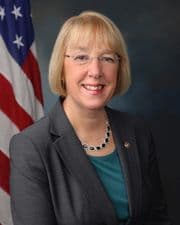
Patty Murray
Democratic Senator
Washington
Cosponsors (20)
Mazie K. Hirono (Democratic)Angela D. Alsobrooks (Democratic)Adam B. Schiff (Democratic)Richard J. Durbin (Democratic)Edward J. Markey (Democratic)Lisa Blunt Rochester (Democratic)Elizabeth Warren (Democratic)Ben Ray Luján (Democratic)Alex Padilla (Democratic)Amy Klobuchar (Democratic)Tim Kaine (Democratic)Sheldon Whitehouse (Democratic)Chris Van Hollen (Democratic)John Fetterman (Democratic)Bernard Sanders (Independent)Tammy Baldwin (Democratic)Cory A. Booker (Democratic)Jeff Merkley (Democratic)Ron Wyden (Democratic)Richard Blumenthal (Democratic)
Health, Education, Labor, and Pensions Committee
- Introduced
- In Committee
- On Floor
- Passed Chamber
- Enacted
The BE HEARD in the Workplace Act seeks to comprehensively address and prevent discrimination and harassment in employment. It mandates that employers with 15 or more employees adopt and disseminate comprehensive nondiscrimination policies, including clear definitions of prohibited conduct, reporting mechanisms, and anti-retaliation provisions. The bill also requires the Equal Employment Opportunity Commission (EEOC) to promulgate regulations for mandatory nondiscrimination training for all employees and supervisors, based on effective training research. To support smaller businesses, the EEOC is directed to provide resource materials and model policies/trainings for employers with fewer than 15 employees. The bill establishes an EEOC harassment prevention task force to study harassment, identify effective strategies, and issue periodic reports. It also creates an Office of Education and Outreach within the EEOC to conduct public awareness campaigns and disseminate information on workers' rights and available resources. Significant research initiatives are mandated, including a national prevalence survey on employment harassment by the Bureau of the Census, EEOC, and Bureau of Labor Statistics, to be conducted every three years. The Merit Systems Protection Board will study and report on harassment within the Federal Government, while the National Institutes of Health will support further research into the causes, impacts, and prevention strategies for workplace harassment. The bill strengthens workplace rights by clarifying that discrimination based on sexual orientation and gender identity constitutes unlawful sex discrimination under Title VII and related statutes. It expands the definition of "covered employers" under Title VII to include those with one or more employees , significantly broadening the scope of protection. Furthermore, it makes compensatory and punitive damages available for age discrimination and removes caps on damages for other forms of discrimination, enhancing remedies for victims. New statutory definitions and standards of proof for workplace harassment are introduced, emphasizing that a single incident can constitute harassment and requiring consideration of the totality of circumstances . The bill clarifies that discrimination does not need to be the sole motivating factor for an employment practice to be unlawful. It also defines employer liability for hostile work environments created by supervisors or through employer negligence, and extends the statute of limitations for filing charges with the EEOC to 4 years and 120 days . Protections are broadened to include independent contractors, interns, fellows, volunteers, and trainees , ensuring they receive the same anti-discrimination safeguards as traditional employees. The bill prohibits certain nondisclosure and nondisparagement clauses in employment agreements that cover harassment or discrimination, unless specific conditions for settlement agreements are met, such as mutual agreement, knowing and voluntary consent, and explicit allowance for reporting to enforcement agencies. A key provision prohibits mandatory arbitration for work disputes and safeguards concerted legal action, amending the National Labor Relations Act and adding a new chapter to Title 9 of the U.S. Code. This aims to ensure workers can pursue claims in court or through collective action. Additionally, the bill requires Federal contractors to disclose labor and civil rights violations, enabling executive agencies to consider this information in contract awards and reissuing the "Fair Pay and Safe Workplaces" regulations. Finally, the Act establishes nationwide grant programs to prevent and respond to workplace discrimination. These include grants for eligible entities (nonprofits, higher education) to educate workers and employers, assist with complaints, and monitor compliance. Separate grants are created to provide civil legal assistance for low-income workers facing employment discrimination, regardless of citizenship status. A system of State advocacy grants is also established to protect workers' legal and human rights, requiring independent lead entities in each state with specific authorities and responsibilities.
View Full TextSuggested Questions
Get AI-generated questions to help you understand this bill better
Timeline
Introduced in Senate
Read twice and referred to the Committee on Health, Education, Labor, and Pensions.
Labor and Employment
BE HEARD in the Workplace Act
USA119th CongressS-3865| Senate
| Updated: 2/12/2026
The BE HEARD in the Workplace Act seeks to comprehensively address and prevent discrimination and harassment in employment. It mandates that employers with 15 or more employees adopt and disseminate comprehensive nondiscrimination policies, including clear definitions of prohibited conduct, reporting mechanisms, and anti-retaliation provisions. The bill also requires the Equal Employment Opportunity Commission (EEOC) to promulgate regulations for mandatory nondiscrimination training for all employees and supervisors, based on effective training research. To support smaller businesses, the EEOC is directed to provide resource materials and model policies/trainings for employers with fewer than 15 employees. The bill establishes an EEOC harassment prevention task force to study harassment, identify effective strategies, and issue periodic reports. It also creates an Office of Education and Outreach within the EEOC to conduct public awareness campaigns and disseminate information on workers' rights and available resources. Significant research initiatives are mandated, including a national prevalence survey on employment harassment by the Bureau of the Census, EEOC, and Bureau of Labor Statistics, to be conducted every three years. The Merit Systems Protection Board will study and report on harassment within the Federal Government, while the National Institutes of Health will support further research into the causes, impacts, and prevention strategies for workplace harassment. The bill strengthens workplace rights by clarifying that discrimination based on sexual orientation and gender identity constitutes unlawful sex discrimination under Title VII and related statutes. It expands the definition of "covered employers" under Title VII to include those with one or more employees , significantly broadening the scope of protection. Furthermore, it makes compensatory and punitive damages available for age discrimination and removes caps on damages for other forms of discrimination, enhancing remedies for victims. New statutory definitions and standards of proof for workplace harassment are introduced, emphasizing that a single incident can constitute harassment and requiring consideration of the totality of circumstances . The bill clarifies that discrimination does not need to be the sole motivating factor for an employment practice to be unlawful. It also defines employer liability for hostile work environments created by supervisors or through employer negligence, and extends the statute of limitations for filing charges with the EEOC to 4 years and 120 days . Protections are broadened to include independent contractors, interns, fellows, volunteers, and trainees , ensuring they receive the same anti-discrimination safeguards as traditional employees. The bill prohibits certain nondisclosure and nondisparagement clauses in employment agreements that cover harassment or discrimination, unless specific conditions for settlement agreements are met, such as mutual agreement, knowing and voluntary consent, and explicit allowance for reporting to enforcement agencies. A key provision prohibits mandatory arbitration for work disputes and safeguards concerted legal action, amending the National Labor Relations Act and adding a new chapter to Title 9 of the U.S. Code. This aims to ensure workers can pursue claims in court or through collective action. Additionally, the bill requires Federal contractors to disclose labor and civil rights violations, enabling executive agencies to consider this information in contract awards and reissuing the "Fair Pay and Safe Workplaces" regulations. Finally, the Act establishes nationwide grant programs to prevent and respond to workplace discrimination. These include grants for eligible entities (nonprofits, higher education) to educate workers and employers, assist with complaints, and monitor compliance. Separate grants are created to provide civil legal assistance for low-income workers facing employment discrimination, regardless of citizenship status. A system of State advocacy grants is also established to protect workers' legal and human rights, requiring independent lead entities in each state with specific authorities and responsibilities.
View Full TextSuggested Questions
Get AI-generated questions to help you understand this bill better
Timeline
Introduced in Senate
Read twice and referred to the Committee on Health, Education, Labor, and Pensions.
Patty Murray
Democratic Senator
Washington
Cosponsors (20)
Mazie K. Hirono (Democratic)Angela D. Alsobrooks (Democratic)Adam B. Schiff (Democratic)Richard J. Durbin (Democratic)Edward J. Markey (Democratic)Lisa Blunt Rochester (Democratic)Elizabeth Warren (Democratic)Ben Ray Luján (Democratic)Alex Padilla (Democratic)Amy Klobuchar (Democratic)Tim Kaine (Democratic)Sheldon Whitehouse (Democratic)Chris Van Hollen (Democratic)John Fetterman (Democratic)Bernard Sanders (Independent)Tammy Baldwin (Democratic)Cory A. Booker (Democratic)Jeff Merkley (Democratic)Ron Wyden (Democratic)Richard Blumenthal (Democratic)
Health, Education, Labor, and Pensions Committee
Labor and Employment
Related Bills
- Introduced
- In Committee
- On Floor
- Passed Chamber
- Enacted