NO BAN Act
USA119th CongressS-398| Senate
| Updated: 2/4/2025
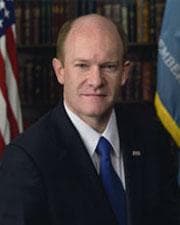
Christopher A. Coons
Democratic Senator
Delaware
Cosponsors (36)
Jeanne Shaheen (Democratic)Mazie K. Hirono (Democratic)Angela D. Alsobrooks (Democratic)Tammy Duckworth (Democratic)Adam B. Schiff (Democratic)Catherine Cortez Masto (Democratic)Richard J. Durbin (Democratic)Edward J. Markey (Democratic)Lisa Blunt Rochester (Democratic)Elizabeth Warren (Democratic)Ben Ray Luján (Democratic)Alex Padilla (Democratic)Mark R. Warner (Democratic)Angus S. King (Independent)Amy Klobuchar (Democratic)John W. Hickenlooper (Democratic)Tim Kaine (Democratic)Sheldon Whitehouse (Democratic)Chris Van Hollen (Democratic)Christopher Murphy (Democratic)Michael F. Bennet (Democratic)Patty Murray (Democratic)Tina Smith (Democratic)Bernard Sanders (Independent)Brian Schatz (Democratic)Andy Kim (Democratic)Maria Cantwell (Democratic)Tammy Baldwin (Democratic)Cory A. Booker (Democratic)Peter Welch (Democratic)Jeff Merkley (Democratic)Elissa Slotkin (Democratic)Raphael G. Warnock (Democratic)Gary C. Peters (Democratic)Ron Wyden (Democratic)Richard Blumenthal (Democratic)
Judiciary Committee
- Introduced
- In Committee
- On Floor
- Passed Chamber
- Enacted
This bill significantly amends the Immigration and Nationality Act to restrict the Executive Branch's power to suspend or limit the entry of classes of aliens. It transfers the authority to make such determinations from the President to the Secretary of State, in consultation with the Secretary of Homeland Security, requiring decisions to be based on specific and credible facts related to national security, public safety, human rights, or international stability. Any suspension or restriction must be narrowly tailored , employ the least restrictive means , and specify a clear duration. The bill mandates consideration of waivers, with a rebuttable presumption for family-based and humanitarian cases. Furthermore, it expands existing non-discrimination provisions in immigration law to explicitly include religion and apply to nonimmigrant visas, admissions, and other immigration benefits. The legislation introduces robust congressional oversight , requiring consultation with Congress before any action and a detailed report within 48 hours of implementation, with failure to report leading to immediate termination of the restriction. It also mandates public announcement and publication of unclassified reports, and establishes a right to judicial review for individuals or entities harmed by violations. The bill also requires retrospective and ongoing reports on visa applicant data for affected countries, ensuring greater transparency and accountability.
Suggested Questions
Get AI-generated questions to help you understand this bill better
Timeline
Introduced in Senate
Read twice and referred to the Committee on the Judiciary.
Immigration
NO BAN Act
USA119th CongressS-398| Senate
| Updated: 2/4/2025
This bill significantly amends the Immigration and Nationality Act to restrict the Executive Branch's power to suspend or limit the entry of classes of aliens. It transfers the authority to make such determinations from the President to the Secretary of State, in consultation with the Secretary of Homeland Security, requiring decisions to be based on specific and credible facts related to national security, public safety, human rights, or international stability. Any suspension or restriction must be narrowly tailored , employ the least restrictive means , and specify a clear duration. The bill mandates consideration of waivers, with a rebuttable presumption for family-based and humanitarian cases. Furthermore, it expands existing non-discrimination provisions in immigration law to explicitly include religion and apply to nonimmigrant visas, admissions, and other immigration benefits. The legislation introduces robust congressional oversight , requiring consultation with Congress before any action and a detailed report within 48 hours of implementation, with failure to report leading to immediate termination of the restriction. It also mandates public announcement and publication of unclassified reports, and establishes a right to judicial review for individuals or entities harmed by violations. The bill also requires retrospective and ongoing reports on visa applicant data for affected countries, ensuring greater transparency and accountability.
Suggested Questions
Get AI-generated questions to help you understand this bill better
Timeline
Introduced in Senate
Read twice and referred to the Committee on the Judiciary.
Christopher A. Coons
Democratic Senator
Delaware
Cosponsors (36)
Jeanne Shaheen (Democratic)Mazie K. Hirono (Democratic)Angela D. Alsobrooks (Democratic)Tammy Duckworth (Democratic)Adam B. Schiff (Democratic)Catherine Cortez Masto (Democratic)Richard J. Durbin (Democratic)Edward J. Markey (Democratic)Lisa Blunt Rochester (Democratic)Elizabeth Warren (Democratic)Ben Ray Luján (Democratic)Alex Padilla (Democratic)Mark R. Warner (Democratic)Angus S. King (Independent)Amy Klobuchar (Democratic)John W. Hickenlooper (Democratic)Tim Kaine (Democratic)Sheldon Whitehouse (Democratic)Chris Van Hollen (Democratic)Christopher Murphy (Democratic)Michael F. Bennet (Democratic)Patty Murray (Democratic)Tina Smith (Democratic)Bernard Sanders (Independent)Brian Schatz (Democratic)Andy Kim (Democratic)Maria Cantwell (Democratic)Tammy Baldwin (Democratic)Cory A. Booker (Democratic)Peter Welch (Democratic)Jeff Merkley (Democratic)Elissa Slotkin (Democratic)Raphael G. Warnock (Democratic)Gary C. Peters (Democratic)Ron Wyden (Democratic)Richard Blumenthal (Democratic)
Judiciary Committee
Immigration
Related Bills
- Introduced
- In Committee
- On Floor
- Passed Chamber
- Enacted