CAREER Act of 2025
USA119th CongressS-500| Senate
| Updated: 2/10/2025
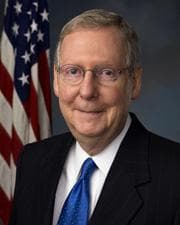
Mitch McConnell
Republican Senator
Kentucky
Banking, Housing, and Urban Affairs Committee
- Introduced
- In Committee
- On Floor
- Passed Chamber
- Enacted
The Comprehensive Addiction Recovery through Effective Employment and Reentry Act of 2025, or CAREER Act of 2025, reauthorizes and significantly amends key programs established under the SUPPORT for Patients and Communities Act. Its primary goal is to enhance support for individuals in addiction recovery by focusing on treatment, workforce integration, and stable housing. This legislation ensures the continuation and expansion of vital services aimed at combating the opioid crisis and facilitating successful reentry into communities. Specifically, the bill reauthorizes the Treatment, Recovery, and Workforce Support Grants program, increasing its annual funding authorization from $5 million to $12 million for fiscal years 2026 through 2030 . It updates the criteria for these grants, now requiring consideration of average rates of drug overdose deaths, unemployment, and labor force participation from 2018 through 2022. Grantees will also be able to use up to five percent of funds for transportation services to support participation in work, vocational training, or treatment activities. Furthermore, the CAREER Act of 2025 extends the Recovery Housing Pilot Program through 2030, which was previously set to expire in 2023. Similar to the grants program, the eligibility criteria for this pilot program are updated to utilize more recent data from 2018 through 2022 for unemployment, labor force participation, and drug overdose death rates. The bill also mandates that reporting for these programs include specific employment and earnings outcomes, ensuring accountability and effectiveness in supporting individuals with substance use disorders.
View Full TextSuggested Questions
Get AI-generated questions to help you understand this bill better
Timeline
Introduced in Senate
Read twice and referred to the Committee on Banking, Housing, and Urban Affairs.
Labor and Employment
Drug, alcohol, tobacco useEmployment and training programsHousing and community development fundingLabor marketLong-term, rehabilitative, and terminal careUnemployment
CAREER Act of 2025
USA119th CongressS-500| Senate
| Updated: 2/10/2025
The Comprehensive Addiction Recovery through Effective Employment and Reentry Act of 2025, or CAREER Act of 2025, reauthorizes and significantly amends key programs established under the SUPPORT for Patients and Communities Act. Its primary goal is to enhance support for individuals in addiction recovery by focusing on treatment, workforce integration, and stable housing. This legislation ensures the continuation and expansion of vital services aimed at combating the opioid crisis and facilitating successful reentry into communities. Specifically, the bill reauthorizes the Treatment, Recovery, and Workforce Support Grants program, increasing its annual funding authorization from $5 million to $12 million for fiscal years 2026 through 2030 . It updates the criteria for these grants, now requiring consideration of average rates of drug overdose deaths, unemployment, and labor force participation from 2018 through 2022. Grantees will also be able to use up to five percent of funds for transportation services to support participation in work, vocational training, or treatment activities. Furthermore, the CAREER Act of 2025 extends the Recovery Housing Pilot Program through 2030, which was previously set to expire in 2023. Similar to the grants program, the eligibility criteria for this pilot program are updated to utilize more recent data from 2018 through 2022 for unemployment, labor force participation, and drug overdose death rates. The bill also mandates that reporting for these programs include specific employment and earnings outcomes, ensuring accountability and effectiveness in supporting individuals with substance use disorders.
View Full TextSuggested Questions
Get AI-generated questions to help you understand this bill better
Timeline
Introduced in Senate
Read twice and referred to the Committee on Banking, Housing, and Urban Affairs.
Mitch McConnell
Republican Senator
Kentucky
Banking, Housing, and Urban Affairs Committee
Labor and Employment
Related Bills
- Introduced
- In Committee
- On Floor
- Passed Chamber
- Enacted
Drug, alcohol, tobacco useEmployment and training programsHousing and community development fundingLabor marketLong-term, rehabilitative, and terminal careUnemployment