Tule River Tribe Reserved Water Rights Settlement Act of 2025
USA119th CongressS-689| Senate
| Updated: 5/12/2025
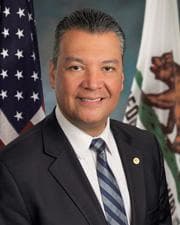
Alex Padilla
Democratic Senator
California
Cosponsors (1)
Indian Affairs Committee
- Introduced
- In Committee
- On Floor
- Passed Chamber
- Enacted
This bill, known as the Tule River Tribe Reserved Water Rights Settlement Act of 2025, aims to achieve a fair, equitable, and final settlement of water right claims for the Tule River Tribe and the United States, acting as trustee for the Tribe, within California. A primary purpose is to authorize, ratify, and confirm the 2007 Agreement between the Tribe, the South Tule Independent Ditch Company, and the Tule River Association, with provisions for necessary amendments to ensure consistency with this Act. The Act establishes a Tribal Water Right , confirming and declaring valid the Tribe's right to divert and use up to 5,828 acre-feet per year of surface water from the South Fork Tule River. This water right will be held in trust by the United States for the Tribe's benefit and is protected from loss through non-use. The Tribe is granted authority to allocate and distribute this water right on the Reservation, though it cannot permanently alienate any portion. To support the settlement, the bill mandates the establishment of the Tule River Indian Tribe Settlement Trust Fund , comprising two accounts: the Water Development Projects Account and the OM&R Account. The Treasury is directed to transfer $518 million into the Water Development Projects Account and $50 million into the OM&R Account, with provisions for cost adjustments based on inflation. These funds are specifically for planning, designing, constructing, and operating/maintaining water development projects on the Reservation, and cannot be distributed on a per capita basis. A significant provision involves the transfer of land into trust for the Tribe. This includes approximately 786 acres of Bureau of Land Management lands, about 9,037 acres of Forest Service lands in the South Fork Tule River watershed, and roughly 1,500 acres of existing Tribally-owned fee lands. These lands will become part of the Tule River Reservation, subject to existing rights, but are restricted from use for Class II or Class III gaming. In consideration for these benefits, the Tribe and the United States, as trustee, will execute waivers and releases of claims . These waivers cover all water rights claims within California that could have been asserted before the Enforceability Date, as well as claims for damages related to water rights against the State or other entities. The Tribe also waives specific claims against the United States concerning water rights, foregone benefits, and failures related to water infrastructure and management. However, the Tribe and the United States explicitly retain certain rights and claims , including those for enforcing the recognized water rights, acquiring new water rights, and claims related to water quality under federal environmental laws. The bill specifies that the waivers become effective on the Enforceability Date , which is triggered by the Secretary of the Interior's findings that the 2007 Agreement conforms to the Act, a final court decree is issued, and all authorized funds are appropriated and deposited. The United States District Court for the Eastern District of California is granted exclusive jurisdiction to approve the settlement and resolve disputes, particularly regarding the establishment of Operation Rules for the Phase I Reservoir if the parties reach an impasse. The bill also includes miscellaneous provisions clarifying that it does not waive U.S. sovereign immunity (except for specific judicial actions), adversely affect other tribes' water rights, or impact existing environmental laws. An antideficiency clause states that the U.S. is not liable for unfulfilled obligations if Congress does not provide adequate appropriations.
Suggested Questions
Get AI-generated questions to help you understand this bill better
Timeline
Introduced in Senate
Read twice and referred to the Committee on Indian Affairs. (Sponsor introductory remarks on measure: CR S1313)
Committee on Indian Affairs. Ordered to be reported without amendment favorably.
Committee on Indian Affairs. Reported by Senator Murkowski without amendment. With written report No. 119-22.
Placed on Senate Legislative Calendar under General Orders. Calendar No. 75.
Native Americans
CaliforniaFederal-Indian relationsGovernment trust fundsIndian claimsIndian lands and resources rightsLakes and riversLand transfersWater qualityWater use and supply
Tule River Tribe Reserved Water Rights Settlement Act of 2025
USA119th CongressS-689| Senate
| Updated: 5/12/2025
This bill, known as the Tule River Tribe Reserved Water Rights Settlement Act of 2025, aims to achieve a fair, equitable, and final settlement of water right claims for the Tule River Tribe and the United States, acting as trustee for the Tribe, within California. A primary purpose is to authorize, ratify, and confirm the 2007 Agreement between the Tribe, the South Tule Independent Ditch Company, and the Tule River Association, with provisions for necessary amendments to ensure consistency with this Act. The Act establishes a Tribal Water Right , confirming and declaring valid the Tribe's right to divert and use up to 5,828 acre-feet per year of surface water from the South Fork Tule River. This water right will be held in trust by the United States for the Tribe's benefit and is protected from loss through non-use. The Tribe is granted authority to allocate and distribute this water right on the Reservation, though it cannot permanently alienate any portion. To support the settlement, the bill mandates the establishment of the Tule River Indian Tribe Settlement Trust Fund , comprising two accounts: the Water Development Projects Account and the OM&R Account. The Treasury is directed to transfer $518 million into the Water Development Projects Account and $50 million into the OM&R Account, with provisions for cost adjustments based on inflation. These funds are specifically for planning, designing, constructing, and operating/maintaining water development projects on the Reservation, and cannot be distributed on a per capita basis. A significant provision involves the transfer of land into trust for the Tribe. This includes approximately 786 acres of Bureau of Land Management lands, about 9,037 acres of Forest Service lands in the South Fork Tule River watershed, and roughly 1,500 acres of existing Tribally-owned fee lands. These lands will become part of the Tule River Reservation, subject to existing rights, but are restricted from use for Class II or Class III gaming. In consideration for these benefits, the Tribe and the United States, as trustee, will execute waivers and releases of claims . These waivers cover all water rights claims within California that could have been asserted before the Enforceability Date, as well as claims for damages related to water rights against the State or other entities. The Tribe also waives specific claims against the United States concerning water rights, foregone benefits, and failures related to water infrastructure and management. However, the Tribe and the United States explicitly retain certain rights and claims , including those for enforcing the recognized water rights, acquiring new water rights, and claims related to water quality under federal environmental laws. The bill specifies that the waivers become effective on the Enforceability Date , which is triggered by the Secretary of the Interior's findings that the 2007 Agreement conforms to the Act, a final court decree is issued, and all authorized funds are appropriated and deposited. The United States District Court for the Eastern District of California is granted exclusive jurisdiction to approve the settlement and resolve disputes, particularly regarding the establishment of Operation Rules for the Phase I Reservoir if the parties reach an impasse. The bill also includes miscellaneous provisions clarifying that it does not waive U.S. sovereign immunity (except for specific judicial actions), adversely affect other tribes' water rights, or impact existing environmental laws. An antideficiency clause states that the U.S. is not liable for unfulfilled obligations if Congress does not provide adequate appropriations.
Suggested Questions
Get AI-generated questions to help you understand this bill better
Timeline
Introduced in Senate
Read twice and referred to the Committee on Indian Affairs. (Sponsor introductory remarks on measure: CR S1313)
Committee on Indian Affairs. Ordered to be reported without amendment favorably.
Committee on Indian Affairs. Reported by Senator Murkowski without amendment. With written report No. 119-22.
Placed on Senate Legislative Calendar under General Orders. Calendar No. 75.
Alex Padilla
Democratic Senator
California
Cosponsors (1)
Indian Affairs Committee
Native Americans
- Introduced
- In Committee
- On Floor
- Passed Chamber
- Enacted
CaliforniaFederal-Indian relationsGovernment trust fundsIndian claimsIndian lands and resources rightsLakes and riversLand transfersWater qualityWater use and supply