Empowering and Enforcing Environmental Justice Act of 2025
USA119th CongressS-720| Senate
| Updated: 2/25/2025
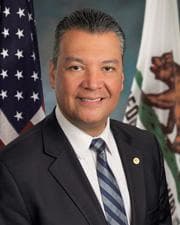
Alex Padilla
Democratic Senator
California
Cosponsors (11)
Tammy Duckworth (Democratic)Adam B. Schiff (Democratic)Richard J. Durbin (Democratic)Edward J. Markey (Democratic)Sheldon Whitehouse (Democratic)Chris Van Hollen (Democratic)Bernard Sanders (Independent)Cory A. Booker (Democratic)Jeff Merkley (Democratic)Ron Wyden (Democratic)Richard Blumenthal (Democratic)
Judiciary Committee
- Introduced
- In Committee
- On Floor
- Passed Chamber
- Enacted
This bill, titled the "Empowering and Enforcing Environmental Justice Act of 2025," establishes an Office of Environmental Justice (OEJ) within the Department of Justice's Environment and Natural Resources Division. The OEJ, led by a Director appointed by the Attorney General, is tasked with developing and updating the Department's environmental justice strategy, coordinating related matters, and promoting public participation in decision-making processes. It defines environmental justice as ensuring the just treatment and meaningful involvement of all people, regardless of income, race, or other factors, to protect them from disproportionate adverse environmental and health effects and ensure equitable access to a healthy environment. The OEJ's duties also include counseling State, local, and Tribal governments, providing support for environmental enforcement training, and facilitating working relationships among various stakeholders. The bill establishes a Senior Advisory Council to advise the Assistant Attorney General and recommend policies on environmental justice matters, composed of representatives from various DOJ divisions. This Council will develop guidance for Department personnel on identifying, tracking, and addressing environmental justice issues. Furthermore, the bill mandates the establishment of a grant program within the OEJ to enhance the capacity of State, local, and Tribal governments to enforce environmental laws involving environmental justice matters. These grants, ranging from $50,000 to $1,000,000, can be used for training, hiring staff, and establishing collaborative programs to assist communities with environmental justice concerns. The bill authorizes $50,000,000 annually for this grant program from fiscal years 2026 through 2035.
View Full TextSuggested Questions
Get AI-generated questions to help you understand this bill better
Timeline
Introduced in Senate
Read twice and referred to the Committee on the Judiciary. (Sponsor introductory remarks on measure: CR S1350)
Crime and Law Enforcement
Advisory bodiesCongressional oversightDepartment of JusticeEnvironmental healthEnvironmental regulatory proceduresExecutive agency funding and structureGovernment information and archivesLaw enforcement administration and funding
Empowering and Enforcing Environmental Justice Act of 2025
USA119th CongressS-720| Senate
| Updated: 2/25/2025
This bill, titled the "Empowering and Enforcing Environmental Justice Act of 2025," establishes an Office of Environmental Justice (OEJ) within the Department of Justice's Environment and Natural Resources Division. The OEJ, led by a Director appointed by the Attorney General, is tasked with developing and updating the Department's environmental justice strategy, coordinating related matters, and promoting public participation in decision-making processes. It defines environmental justice as ensuring the just treatment and meaningful involvement of all people, regardless of income, race, or other factors, to protect them from disproportionate adverse environmental and health effects and ensure equitable access to a healthy environment. The OEJ's duties also include counseling State, local, and Tribal governments, providing support for environmental enforcement training, and facilitating working relationships among various stakeholders. The bill establishes a Senior Advisory Council to advise the Assistant Attorney General and recommend policies on environmental justice matters, composed of representatives from various DOJ divisions. This Council will develop guidance for Department personnel on identifying, tracking, and addressing environmental justice issues. Furthermore, the bill mandates the establishment of a grant program within the OEJ to enhance the capacity of State, local, and Tribal governments to enforce environmental laws involving environmental justice matters. These grants, ranging from $50,000 to $1,000,000, can be used for training, hiring staff, and establishing collaborative programs to assist communities with environmental justice concerns. The bill authorizes $50,000,000 annually for this grant program from fiscal years 2026 through 2035.
View Full TextSuggested Questions
Get AI-generated questions to help you understand this bill better
Timeline
Introduced in Senate
Read twice and referred to the Committee on the Judiciary. (Sponsor introductory remarks on measure: CR S1350)
Alex Padilla
Democratic Senator
California
Cosponsors (11)
Tammy Duckworth (Democratic)Adam B. Schiff (Democratic)Richard J. Durbin (Democratic)Edward J. Markey (Democratic)Sheldon Whitehouse (Democratic)Chris Van Hollen (Democratic)Bernard Sanders (Independent)Cory A. Booker (Democratic)Jeff Merkley (Democratic)Ron Wyden (Democratic)Richard Blumenthal (Democratic)
Judiciary Committee
Crime and Law Enforcement
- Introduced
- In Committee
- On Floor
- Passed Chamber
- Enacted
Advisory bodiesCongressional oversightDepartment of JusticeEnvironmental healthEnvironmental regulatory proceduresExecutive agency funding and structureGovernment information and archivesLaw enforcement administration and funding