Faster Labor Contracts Act
USA119th CongressS-844| Senate
| Updated: 3/4/2025
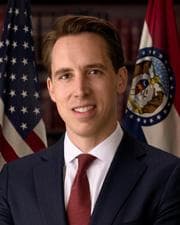
Josh Hawley
Republican Senator
Missouri
Cosponsors (12)
Margaret Wood Hassan (Democratic)Ruben Gallego (Democratic)Jon Ossoff (Democratic)Lisa Blunt Rochester (Democratic)Tim Kaine (Democratic)Cory A. Booker (Democratic)Jeff Merkley (Democratic)Elissa Slotkin (Democratic)Gary C. Peters (Democratic)Bernie Moreno (Republican)Richard Blumenthal (Democratic)Mark Kelly (Democratic)
Health, Education, Labor, and Pensions Committee
- Introduced
- In Committee
- On Floor
- Passed Chamber
- Enacted
This bill seeks to significantly accelerate the timeline for establishing initial collective bargaining agreements following the certification or recognition of a labor organization. Congress finds that current negotiation processes are often protracted, with an average delay of 465 days to secure a first contract, which primarily benefits employers and undermines employees' collective bargaining rights. The bill amends Section 8 of the National Labor Relations Act to introduce new requirements for initial contract negotiations. Specifically, parties must meet and begin bargaining within 10 days of a written request after union certification or recognition. If no agreement is reached within 90 days , either party may request mediation from the Federal Mediation and Conciliation Service (FMCS). Should mediation fail to produce an agreement within 30 days , the FMCS is mandated to refer the dispute to a 3-person binding arbitration panel . This panel's decision, which must consider factors such as the employer's financial status, employee cost of living, and wages in comparable businesses, will be binding on the parties for a period of two years. Additionally, the bill clarifies an employer's duty to bargain and maintain current employment terms during negotiations. Finally, the legislation requires the Comptroller General to submit a report within one year of enactment, examining the average time taken to reach initial collective bargaining agreements under the new provisions.
View Full TextSuggested Questions
Get AI-generated questions to help you understand this bill better
Timeline
Introduced in Senate
Read twice and referred to the Committee on Health, Education, Labor, and Pensions.
Labor and Employment
Alternative dispute resolution, mediation, arbitrationCongressional oversightGovernment studies and investigationsLabor-management relationsWages and earnings
Faster Labor Contracts Act
USA119th CongressS-844| Senate
| Updated: 3/4/2025
This bill seeks to significantly accelerate the timeline for establishing initial collective bargaining agreements following the certification or recognition of a labor organization. Congress finds that current negotiation processes are often protracted, with an average delay of 465 days to secure a first contract, which primarily benefits employers and undermines employees' collective bargaining rights. The bill amends Section 8 of the National Labor Relations Act to introduce new requirements for initial contract negotiations. Specifically, parties must meet and begin bargaining within 10 days of a written request after union certification or recognition. If no agreement is reached within 90 days , either party may request mediation from the Federal Mediation and Conciliation Service (FMCS). Should mediation fail to produce an agreement within 30 days , the FMCS is mandated to refer the dispute to a 3-person binding arbitration panel . This panel's decision, which must consider factors such as the employer's financial status, employee cost of living, and wages in comparable businesses, will be binding on the parties for a period of two years. Additionally, the bill clarifies an employer's duty to bargain and maintain current employment terms during negotiations. Finally, the legislation requires the Comptroller General to submit a report within one year of enactment, examining the average time taken to reach initial collective bargaining agreements under the new provisions.
View Full TextSuggested Questions
Get AI-generated questions to help you understand this bill better
Timeline
Introduced in Senate
Read twice and referred to the Committee on Health, Education, Labor, and Pensions.
Josh Hawley
Republican Senator
Missouri
Cosponsors (12)
Margaret Wood Hassan (Democratic)Ruben Gallego (Democratic)Jon Ossoff (Democratic)Lisa Blunt Rochester (Democratic)Tim Kaine (Democratic)Cory A. Booker (Democratic)Jeff Merkley (Democratic)Elissa Slotkin (Democratic)Gary C. Peters (Democratic)Bernie Moreno (Republican)Richard Blumenthal (Democratic)Mark Kelly (Democratic)
Health, Education, Labor, and Pensions Committee
Labor and Employment
Related Bills
- Introduced
- In Committee
- On Floor
- Passed Chamber
- Enacted
Alternative dispute resolution, mediation, arbitrationCongressional oversightGovernment studies and investigationsLabor-management relationsWages and earnings