Mining Waste, Fraud, and Abuse Prevention Act of 2025
USA119th CongressS-859| Senate
| Updated: 3/12/2025
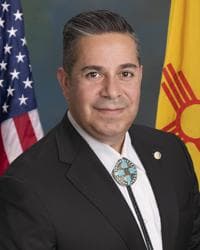
Ben Ray Luján
Democratic Senator
New Mexico
Cosponsors (10)
Energy and Natural Resources Committee
- Introduced
- In Committee
- On Floor
- Passed Chamber
- Enacted
The Mining Waste, Fraud, and Abuse Prevention Act of 2025 significantly reforms the General Mining Law of 1872, primarily by introducing new financial obligations and environmental safeguards for hardrock mining on federal lands. It limits the issuance of new patents for mining claims, allowing them only for applications filed before September 30, 1994, and repeals the section of law that previously allowed for patenting. The bill establishes new fees for mining claims, including an annual maintenance fee of $200 per claim and a $50 location fee for new claims, with waivers available for small claim holders. These fees replace previous assessment work requirements and are subject to inflation adjustments. Failure to pay these fees or use claims exclusively for mineral activities results in forfeiture. A key provision is the imposition of a new royalty on locatable minerals, ranging from 5 to 8 percent of the gross income from mining, with the rate varying by mineral. This royalty applies to all production from claims not subject to an existing operations permit at the time of enactment, and a mechanism for royalty relief is included for operations that would otherwise be uneconomical. The bill also establishes a comprehensive system for inspection, collection, and enforcement of these royalties and fees, including civil and criminal penalties for non-compliance and false reporting. The legislation mandates permits for all exploration and mining activities that cause surface disturbance, requiring detailed plans for operations, reclamation, and environmental compliance. Operators must provide adequate financial assurances to cover reclamation costs, including long-term water treatment, with these assurances subject to regular review and adjustment. Reclamation activities must be carried out as contemporaneously as practicable with mining operations, aiming to restore land and water to their prior condition or other beneficial uses. The Act creates the Hardrock Minerals Reclamation Fund , financed by the new fees, royalties, and an abandoned mine land reclamation fee of 1 to 3 percent of the value of production from hardrock mining operations. This fund is dedicated to addressing abandoned mine land issues. The bill also requires federal agencies to review and potentially withdraw certain sensitive lands, such as wilderness study areas and roadless areas, from future mining claim locations. Furthermore, the legislation emphasizes Tribal consultation for any mineral activities impacting Tribal lands, cultural practices, or protected rights. It also reclassifies certain common mineral materials, like clay, to be managed under the Materials Act rather than the General Mining Law. A study by the National Academy of Sciences is mandated to review uranium development on federal lands, assessing current regulations and recommending potential reforms, including a shift to a leasing system. Transition rules specify that most new requirements apply to both existing and future claims, with a 10-year period for pre-existing operations to come into compliance. The bill supersedes the general mining laws where explicitly modified but preserves existing federal and state laws that offer equal or greater environmental protections.
View Full TextSuggested Questions
Get AI-generated questions to help you understand this bill better
Timeline
Introduced in Senate
Read twice and referred to the Committee on Energy and Natural Resources.
Committee on Energy and Natural Resources. Hearings held.
Committee on Energy and Natural Resources. Hearings held. Hearings printed: S.Hrg. 119-46.
Public Lands and Natural Resources
Administrative remediesAlaskaArizonaCaliforniaCivil actions and liabilityColoradoCongressional oversightEnergy revenues and royaltiesEnvironmental healthFederal-Indian relationsFederal preemptionForests, forestry, treesFraud offenses and financial crimesGovernment information and archivesGovernment studies and investigationsGovernment trust fundsIdahoIndian lands and resources rightsJudicial review and appealsLand use and conservationLicensing and registrationsMiningMontanaNevadaNew MexicoNorth DakotaNuclear powerOregonSouth DakotaUtahWashington StateWater qualityWilderness and natural areas, wildlife refuges, wild rivers, habitatsWyoming
Mining Waste, Fraud, and Abuse Prevention Act of 2025
USA119th CongressS-859| Senate
| Updated: 3/12/2025
The Mining Waste, Fraud, and Abuse Prevention Act of 2025 significantly reforms the General Mining Law of 1872, primarily by introducing new financial obligations and environmental safeguards for hardrock mining on federal lands. It limits the issuance of new patents for mining claims, allowing them only for applications filed before September 30, 1994, and repeals the section of law that previously allowed for patenting. The bill establishes new fees for mining claims, including an annual maintenance fee of $200 per claim and a $50 location fee for new claims, with waivers available for small claim holders. These fees replace previous assessment work requirements and are subject to inflation adjustments. Failure to pay these fees or use claims exclusively for mineral activities results in forfeiture. A key provision is the imposition of a new royalty on locatable minerals, ranging from 5 to 8 percent of the gross income from mining, with the rate varying by mineral. This royalty applies to all production from claims not subject to an existing operations permit at the time of enactment, and a mechanism for royalty relief is included for operations that would otherwise be uneconomical. The bill also establishes a comprehensive system for inspection, collection, and enforcement of these royalties and fees, including civil and criminal penalties for non-compliance and false reporting. The legislation mandates permits for all exploration and mining activities that cause surface disturbance, requiring detailed plans for operations, reclamation, and environmental compliance. Operators must provide adequate financial assurances to cover reclamation costs, including long-term water treatment, with these assurances subject to regular review and adjustment. Reclamation activities must be carried out as contemporaneously as practicable with mining operations, aiming to restore land and water to their prior condition or other beneficial uses. The Act creates the Hardrock Minerals Reclamation Fund , financed by the new fees, royalties, and an abandoned mine land reclamation fee of 1 to 3 percent of the value of production from hardrock mining operations. This fund is dedicated to addressing abandoned mine land issues. The bill also requires federal agencies to review and potentially withdraw certain sensitive lands, such as wilderness study areas and roadless areas, from future mining claim locations. Furthermore, the legislation emphasizes Tribal consultation for any mineral activities impacting Tribal lands, cultural practices, or protected rights. It also reclassifies certain common mineral materials, like clay, to be managed under the Materials Act rather than the General Mining Law. A study by the National Academy of Sciences is mandated to review uranium development on federal lands, assessing current regulations and recommending potential reforms, including a shift to a leasing system. Transition rules specify that most new requirements apply to both existing and future claims, with a 10-year period for pre-existing operations to come into compliance. The bill supersedes the general mining laws where explicitly modified but preserves existing federal and state laws that offer equal or greater environmental protections.
View Full TextSuggested Questions
Get AI-generated questions to help you understand this bill better
Timeline
Introduced in Senate
Read twice and referred to the Committee on Energy and Natural Resources.
Committee on Energy and Natural Resources. Hearings held.
Committee on Energy and Natural Resources. Hearings held. Hearings printed: S.Hrg. 119-46.
Ben Ray Luján
Democratic Senator
New Mexico
Cosponsors (10)
Energy and Natural Resources Committee
Public Lands and Natural Resources
- Introduced
- In Committee
- On Floor
- Passed Chamber
- Enacted
Administrative remediesAlaskaArizonaCaliforniaCivil actions and liabilityColoradoCongressional oversightEnergy revenues and royaltiesEnvironmental healthFederal-Indian relationsFederal preemptionForests, forestry, treesFraud offenses and financial crimesGovernment information and archivesGovernment studies and investigationsGovernment trust fundsIdahoIndian lands and resources rightsJudicial review and appealsLand use and conservationLicensing and registrationsMiningMontanaNevadaNew MexicoNorth DakotaNuclear powerOregonSouth DakotaUtahWashington StateWater qualityWilderness and natural areas, wildlife refuges, wild rivers, habitatsWyoming