Tyler’s Law
USA119th CongressS-921| Senate
| Updated: 1/28/2026
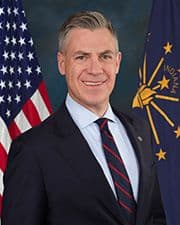
Jim Banks
Republican Senator
Indiana
Cosponsors (13)
Tommy Tuberville (Republican)Rick Scott (Republican)Markwayne Mullin (Republican)Margaret Wood Hassan (Democratic)Alex Padilla (Democratic)Todd Young (Republican)Ashley Moody (Republican)Mark R. Warner (Democratic)Amy Klobuchar (Democratic)Andy Kim (Democratic)Maria Cantwell (Democratic)Chuck Grassley (Republican)Raphael G. Warnock (Democratic)
Health, Education, Labor, and Pensions Committee
- Introduced
- In Committee
- On Floor
- Passed Chamber
- Enacted
This bill, known as Tyler's Law, mandates the Secretary of Health and Human Services (HHS) to undertake a comprehensive study regarding fentanyl testing in hospital emergency departments for patients experiencing an overdose. The study will assess the frequency and costs associated with fentanyl testing, alongside its potential benefits and risks for patients. Furthermore, the study will examine how fentanyl testing impacts the patient experience, including aspects like confidentiality of personal health information and the patient-physician relationship. Within six months of completing this study, HHS is directed to issue guidance based on its findings. This guidance will determine whether routine fentanyl testing should be implemented in emergency departments for overdose cases. It will also provide recommendations on how hospitals can ensure clinicians are aware of all substances being tested for in routine drug screens, and how fentanyl testing might influence future overdose risk and overall health outcomes for patients.
Suggested Questions
Get AI-generated questions to help you understand this bill better
Timeline
Introduced in Senate
Read twice and referred to the Committee on Health, Education, Labor, and Pensions.
Committee on Health, Education, Labor, and Pensions. Ordered to be reported with an amendment in the nature of a substitute favorably.
Committee on Health, Education, Labor, and Pensions. Reported by Senator Cassidy with an amendment in the nature of a substitute. Without written report.
Placed on Senate Legislative Calendar under General Orders. Calendar No. 307.
Health
Tyler’s Law
USA119th CongressS-921| Senate
| Updated: 1/28/2026
This bill, known as Tyler's Law, mandates the Secretary of Health and Human Services (HHS) to undertake a comprehensive study regarding fentanyl testing in hospital emergency departments for patients experiencing an overdose. The study will assess the frequency and costs associated with fentanyl testing, alongside its potential benefits and risks for patients. Furthermore, the study will examine how fentanyl testing impacts the patient experience, including aspects like confidentiality of personal health information and the patient-physician relationship. Within six months of completing this study, HHS is directed to issue guidance based on its findings. This guidance will determine whether routine fentanyl testing should be implemented in emergency departments for overdose cases. It will also provide recommendations on how hospitals can ensure clinicians are aware of all substances being tested for in routine drug screens, and how fentanyl testing might influence future overdose risk and overall health outcomes for patients.
Suggested Questions
Get AI-generated questions to help you understand this bill better
Timeline
Introduced in Senate
Read twice and referred to the Committee on Health, Education, Labor, and Pensions.
Committee on Health, Education, Labor, and Pensions. Ordered to be reported with an amendment in the nature of a substitute favorably.
Committee on Health, Education, Labor, and Pensions. Reported by Senator Cassidy with an amendment in the nature of a substitute. Without written report.
Placed on Senate Legislative Calendar under General Orders. Calendar No. 307.
Jim Banks
Republican Senator
Indiana
Cosponsors (13)
Tommy Tuberville (Republican)Rick Scott (Republican)Markwayne Mullin (Republican)Margaret Wood Hassan (Democratic)Alex Padilla (Democratic)Todd Young (Republican)Ashley Moody (Republican)Mark R. Warner (Democratic)Amy Klobuchar (Democratic)Andy Kim (Democratic)Maria Cantwell (Democratic)Chuck Grassley (Republican)Raphael G. Warnock (Democratic)
Health, Education, Labor, and Pensions Committee
Health
Related Bills
- Introduced
- In Committee
- On Floor
- Passed Chamber
- Enacted