Safe Schools Improvement Act
USA119th CongressS-986| Senate
| Updated: 3/12/2025
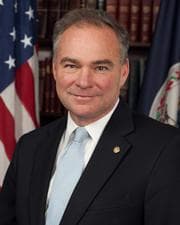
Tim Kaine
Democratic Senator
Virginia
Cosponsors (38)
Jeanne Shaheen (Democratic)Mazie K. Hirono (Democratic)Angela D. Alsobrooks (Democratic)Tammy Duckworth (Democratic)Adam B. Schiff (Democratic)Catherine Cortez Masto (Democratic)Richard J. Durbin (Democratic)Edward J. Markey (Democratic)Lisa Blunt Rochester (Democratic)Jack Reed (Democratic)Elizabeth Warren (Democratic)Ben Ray Luján (Democratic)Alex Padilla (Democratic)Christopher A. Coons (Democratic)Mark R. Warner (Democratic)Amy Klobuchar (Democratic)John W. Hickenlooper (Democratic)Sheldon Whitehouse (Democratic)Jacky Rosen (Democratic)Chris Van Hollen (Democratic)Christopher Murphy (Democratic)Martin Heinrich (Democratic)Michael F. Bennet (Democratic)Patty Murray (Democratic)John Fetterman (Democratic)Tina Smith (Democratic)Bernard Sanders (Independent)Andy Kim (Democratic)Maria Cantwell (Democratic)Tammy Baldwin (Democratic)Cory A. Booker (Democratic)Peter Welch (Democratic)Jeff Merkley (Democratic)Elissa Slotkin (Democratic)Gary C. Peters (Democratic)Ron Wyden (Democratic)Richard Blumenthal (Democratic)Mark Kelly (Democratic)
Health, Education, Labor, and Pensions Committee
- Introduced
- In Committee
- On Floor
- Passed Chamber
- Enacted
The "Safe Schools Improvement Act" aims to comprehensively address and prevent bullying and harassment in public elementary and secondary schools. It mandates that any state receiving a grant under Title IV of the Elementary and Secondary Education Act of 1965 must require its local educational agencies (LEAs) to implement robust anti-bullying policies. These policies must prohibit conduct that limits a student's ability to participate in educational programs or creates a hostile learning environment. Specifically, they must forbid bullying or harassment based on a student's actual or perceived race, color, national origin, sex (including sexual orientation, gender identity, and sex characteristics), disability, or religion , or association with individuals possessing these characteristics. LEAs must also provide annual notice of these policies to students, parents, and educators, and establish clear grievance procedures with designated officials and resolution timelines. The bill further requires LEAs to collect and publicly report annual, anonymized data on the incidence and frequency of prohibited conduct. States must then submit biennial reports to the Secretary of Education, detailing this data and their plans to support LEA efforts. The Secretary is also tasked with conducting independent biennial evaluations of these programs and policies to assess their effectiveness in reducing bullying and harassment. The Act clarifies that its provisions are supplementary to existing federal and state nondiscrimination laws, such as Title VI of the Civil Rights Act and Title IX of the Education Amendments, and do not diminish any rights or remedies available under those statutes or alter free speech protections.
Suggested Questions
Get AI-generated questions to help you understand this bill better
Timeline
Introduced in Senate
Read twice and referred to the Committee on Health, Education, Labor, and Pensions.
Education
Assault and harassment offensesCensus and government statisticsChild safety and welfareCongressional oversightDisability and paralysisEducation programs fundingElementary and secondary educationGovernment information and archivesGovernment studies and investigationsRacial and ethnic relationsReligionSchool administrationSex, gender, sexual orientation discriminationState and local government operations
Safe Schools Improvement Act
USA119th CongressS-986| Senate
| Updated: 3/12/2025
The "Safe Schools Improvement Act" aims to comprehensively address and prevent bullying and harassment in public elementary and secondary schools. It mandates that any state receiving a grant under Title IV of the Elementary and Secondary Education Act of 1965 must require its local educational agencies (LEAs) to implement robust anti-bullying policies. These policies must prohibit conduct that limits a student's ability to participate in educational programs or creates a hostile learning environment. Specifically, they must forbid bullying or harassment based on a student's actual or perceived race, color, national origin, sex (including sexual orientation, gender identity, and sex characteristics), disability, or religion , or association with individuals possessing these characteristics. LEAs must also provide annual notice of these policies to students, parents, and educators, and establish clear grievance procedures with designated officials and resolution timelines. The bill further requires LEAs to collect and publicly report annual, anonymized data on the incidence and frequency of prohibited conduct. States must then submit biennial reports to the Secretary of Education, detailing this data and their plans to support LEA efforts. The Secretary is also tasked with conducting independent biennial evaluations of these programs and policies to assess their effectiveness in reducing bullying and harassment. The Act clarifies that its provisions are supplementary to existing federal and state nondiscrimination laws, such as Title VI of the Civil Rights Act and Title IX of the Education Amendments, and do not diminish any rights or remedies available under those statutes or alter free speech protections.
Suggested Questions
Get AI-generated questions to help you understand this bill better
Timeline
Introduced in Senate
Read twice and referred to the Committee on Health, Education, Labor, and Pensions.
Tim Kaine
Democratic Senator
Virginia
Cosponsors (38)
Jeanne Shaheen (Democratic)Mazie K. Hirono (Democratic)Angela D. Alsobrooks (Democratic)Tammy Duckworth (Democratic)Adam B. Schiff (Democratic)Catherine Cortez Masto (Democratic)Richard J. Durbin (Democratic)Edward J. Markey (Democratic)Lisa Blunt Rochester (Democratic)Jack Reed (Democratic)Elizabeth Warren (Democratic)Ben Ray Luján (Democratic)Alex Padilla (Democratic)Christopher A. Coons (Democratic)Mark R. Warner (Democratic)Amy Klobuchar (Democratic)John W. Hickenlooper (Democratic)Sheldon Whitehouse (Democratic)Jacky Rosen (Democratic)Chris Van Hollen (Democratic)Christopher Murphy (Democratic)Martin Heinrich (Democratic)Michael F. Bennet (Democratic)Patty Murray (Democratic)John Fetterman (Democratic)Tina Smith (Democratic)Bernard Sanders (Independent)Andy Kim (Democratic)Maria Cantwell (Democratic)Tammy Baldwin (Democratic)Cory A. Booker (Democratic)Peter Welch (Democratic)Jeff Merkley (Democratic)Elissa Slotkin (Democratic)Gary C. Peters (Democratic)Ron Wyden (Democratic)Richard Blumenthal (Democratic)Mark Kelly (Democratic)
Health, Education, Labor, and Pensions Committee
Education
Related Bills
- Introduced
- In Committee
- On Floor
- Passed Chamber
- Enacted
Assault and harassment offensesCensus and government statisticsChild safety and welfareCongressional oversightDisability and paralysisEducation programs fundingElementary and secondary educationGovernment information and archivesGovernment studies and investigationsRacial and ethnic relationsReligionSchool administrationSex, gender, sexual orientation discriminationState and local government operations