Extending Limits of U.S. Customs Waters Act
USA119th CongressHR-1268| House
| Updated: 2/12/2025
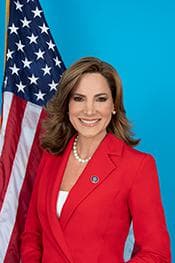
Maria Elvira Salazar
Republican Representative
Florida
Cosponsors (28)
Clay Higgins (Republican)Chris Pappas (Democratic)Ashley Hinson (Republican)Warren Davidson (Republican)Scott Franklin (Republican)Rick W. Allen (Republican)Carlos A. Gimenez (Republican)Mike Ezell (Republican)Aaron Bean (Republican)Jimmy Panetta (Democratic)Donald G. Davis (Democratic)Christopher H. Smith (Republican)James R. Baird (Republican)Brian J. Mast (Republican)W. Gregory Steube (Republican)John H. Rutherford (Republican)Laurel M. Lee (Republican)Daniel Webster (Republican)Mike Haridopolos (Republican)Byron Donalds (Republican)Michael T. McCaul (Republican)James C. Moylan (Republican)Brian K. Fitzpatrick (Republican)Randy K. Sr. Weber (Republican)Monica De La Cruz (Republican)Mike Levin (Democratic)Michael Guest (Republican)Nicole Malliotakis (Republican)
Ways and Means Committee
- Introduced
- In Committee
- On Floor
- Passed Chamber
- Enacted
This legislation aims to expand the operational reach of U.S. customs enforcement by redefining the scope of customs waters . It proposes amendments to both the Tariff Act of 1930 and the Anti-Smuggling Act, which currently define these waters. The core purpose is to extend the outer boundary of customs waters from the existing 12 nautical miles to 24 nautical miles from the baselines of the United States. The bill achieves this by specifying that customs waters will now include the contiguous zone of the United States, consistent with Presidential Proclamation 7219 of September 2, 1999. This change would align the statutory definition with the internationally recognized contiguous zone, thereby enhancing the ability of U.S. authorities to interdict smuggling and other illicit activities further offshore. The amendments are designed to take effect on the day following the bill's enactment.
View Full TextSuggested Questions
Get AI-generated questions to help you understand this bill better
Timeline
Introduced in House
Referred to the House Committee on Ways and Means.
Foreign Trade and International Finance
Customs enforcementGeography and mappingInternational law and treatiesMarine and coastal resources, fisheries
Extending Limits of U.S. Customs Waters Act
USA119th CongressHR-1268| House
| Updated: 2/12/2025
This legislation aims to expand the operational reach of U.S. customs enforcement by redefining the scope of customs waters . It proposes amendments to both the Tariff Act of 1930 and the Anti-Smuggling Act, which currently define these waters. The core purpose is to extend the outer boundary of customs waters from the existing 12 nautical miles to 24 nautical miles from the baselines of the United States. The bill achieves this by specifying that customs waters will now include the contiguous zone of the United States, consistent with Presidential Proclamation 7219 of September 2, 1999. This change would align the statutory definition with the internationally recognized contiguous zone, thereby enhancing the ability of U.S. authorities to interdict smuggling and other illicit activities further offshore. The amendments are designed to take effect on the day following the bill's enactment.
View Full TextSuggested Questions
Get AI-generated questions to help you understand this bill better
Timeline
Introduced in House
Referred to the House Committee on Ways and Means.
Maria Elvira Salazar
Republican Representative
Florida
Cosponsors (28)
Clay Higgins (Republican)Chris Pappas (Democratic)Ashley Hinson (Republican)Warren Davidson (Republican)Scott Franklin (Republican)Rick W. Allen (Republican)Carlos A. Gimenez (Republican)Mike Ezell (Republican)Aaron Bean (Republican)Jimmy Panetta (Democratic)Donald G. Davis (Democratic)Christopher H. Smith (Republican)James R. Baird (Republican)Brian J. Mast (Republican)W. Gregory Steube (Republican)John H. Rutherford (Republican)Laurel M. Lee (Republican)Daniel Webster (Republican)Mike Haridopolos (Republican)Byron Donalds (Republican)Michael T. McCaul (Republican)James C. Moylan (Republican)Brian K. Fitzpatrick (Republican)Randy K. Sr. Weber (Republican)Monica De La Cruz (Republican)Mike Levin (Democratic)Michael Guest (Republican)Nicole Malliotakis (Republican)
Ways and Means Committee
Foreign Trade and International Finance
- Introduced
- In Committee
- On Floor
- Passed Chamber
- Enacted
Customs enforcementGeography and mappingInternational law and treatiesMarine and coastal resources, fisheries