NO TIME TO Waste Act
USA119th CongressHR-2883| House
| Updated: 4/10/2025
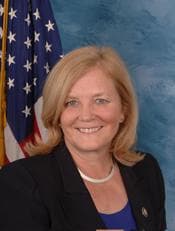
Chellie Pingree
Democratic Representative
Maine
Agriculture Committee, Oversight and Government Reform Committee
- Introduced
- In Committee
- On Floor
- Passed Chamber
- Enacted
The NO TIME TO Waste Act aims to significantly reduce food loss and waste across the United States by establishing a comprehensive framework within the Department of Agriculture. It creates an Office of Food Loss and Waste responsible for extensive research, including quantifying on-farm and supply chain loss, and assessing the impact of waste reduction on greenhouse gas emissions. This office will also report to Congress on progress towards the national goal of reducing food loss and waste by 50 percent by 2030, compared to 2016 levels. The bill authorizes a grant program through this new office to support data collection on existing state and local food loss and waste policies, with eligible entities including governments and nonprofit partnerships. This data will be used to establish model policies for various governmental levels. Furthermore, the Act establishes regional coordinators within the USDA to facilitate real-time food recovery and provide technical support to food recovery organizations. To bolster infrastructure, the bill creates Food Recovery and Distribution Infrastructure Support and Coordination Block Grants for states and Indian Tribes. These grants will address gaps in areas such as storage, temperature-controlled distribution, and technological solutions for connecting surplus food with distribution networks. The legislation also strengthens interagency collaboration by requiring the Secretary of Agriculture, in conjunction with the EPA Administrator and FDA Commissioner, to work with other federal agencies and consult with diverse stakeholders on food loss and waste issues. Significant changes are introduced for federal contractors, who will now be required to prevent and reduce food loss and waste, and report on these efforts. The bill also prioritizes food loss and waste research within existing USDA grant programs, focusing on areas like production inefficiencies and using uneaten food as feed ingredients. It expands the Composting and Food Waste Reduction Program to include State and Tribal governments and provides guidance for applicants. A key provision is the establishment of a program to award grants for public-private partnerships committed to the 50 percent reduction goal. These partnerships, involving governments, nonprofits, and private entities from various sectors, will develop frameworks for cooperative action, establish measurement methodologies, and report on progress. Finally, the Act mandates a national food waste education and public awareness campaign , led by the USDA and EPA, to inform consumers about food preservation, safety, composting, and the broader impacts of food waste, utilizing both community engagement and national messaging strategies.
Suggested Questions
Get AI-generated questions to help you understand this bill better
Timeline
Introduced in House
Referred to the Committee on Agriculture, and in addition to the Committee on Oversight and Government Reform, for a period to be subsequently determined by the Speaker, in each case for consideration of such provisions as fall within the jurisdiction of the committee concerned.
Agriculture and Food
NO TIME TO Waste Act
USA119th CongressHR-2883| House
| Updated: 4/10/2025
The NO TIME TO Waste Act aims to significantly reduce food loss and waste across the United States by establishing a comprehensive framework within the Department of Agriculture. It creates an Office of Food Loss and Waste responsible for extensive research, including quantifying on-farm and supply chain loss, and assessing the impact of waste reduction on greenhouse gas emissions. This office will also report to Congress on progress towards the national goal of reducing food loss and waste by 50 percent by 2030, compared to 2016 levels. The bill authorizes a grant program through this new office to support data collection on existing state and local food loss and waste policies, with eligible entities including governments and nonprofit partnerships. This data will be used to establish model policies for various governmental levels. Furthermore, the Act establishes regional coordinators within the USDA to facilitate real-time food recovery and provide technical support to food recovery organizations. To bolster infrastructure, the bill creates Food Recovery and Distribution Infrastructure Support and Coordination Block Grants for states and Indian Tribes. These grants will address gaps in areas such as storage, temperature-controlled distribution, and technological solutions for connecting surplus food with distribution networks. The legislation also strengthens interagency collaboration by requiring the Secretary of Agriculture, in conjunction with the EPA Administrator and FDA Commissioner, to work with other federal agencies and consult with diverse stakeholders on food loss and waste issues. Significant changes are introduced for federal contractors, who will now be required to prevent and reduce food loss and waste, and report on these efforts. The bill also prioritizes food loss and waste research within existing USDA grant programs, focusing on areas like production inefficiencies and using uneaten food as feed ingredients. It expands the Composting and Food Waste Reduction Program to include State and Tribal governments and provides guidance for applicants. A key provision is the establishment of a program to award grants for public-private partnerships committed to the 50 percent reduction goal. These partnerships, involving governments, nonprofits, and private entities from various sectors, will develop frameworks for cooperative action, establish measurement methodologies, and report on progress. Finally, the Act mandates a national food waste education and public awareness campaign , led by the USDA and EPA, to inform consumers about food preservation, safety, composting, and the broader impacts of food waste, utilizing both community engagement and national messaging strategies.
Suggested Questions
Get AI-generated questions to help you understand this bill better
Timeline
Introduced in House
Referred to the Committee on Agriculture, and in addition to the Committee on Oversight and Government Reform, for a period to be subsequently determined by the Speaker, in each case for consideration of such provisions as fall within the jurisdiction of the committee concerned.
Chellie Pingree
Democratic Representative
Maine
Agriculture Committee, Oversight and Government Reform Committee
Agriculture and Food
Related Bills
- Introduced
- In Committee
- On Floor
- Passed Chamber
- Enacted