Give America a Raise Act
USA119th CongressHR-7471| House
| Updated: 2/10/2026
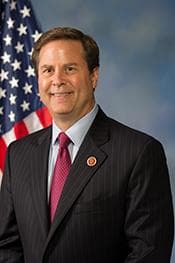
Donald Norcross
Democratic Representative
New Jersey
Education and Workforce Committee
- Introduced
- In Committee
- On Floor
- Passed Chamber
- Enacted
The "Give America a Raise Act" proposes a substantial increase in the federal minimum wage, raising it incrementally to $20.00 per hour over a three-year period. Starting from an initial $10.00 per hour upon the bill's effective date, the wage would increase to $13.00, then $16.50, and finally $20.00 in subsequent years. Four years after the effective date, the minimum wage would be annually adjusted based on the greater of the percentage increase in the Consumer Price Index or the Gross Domestic Product. A key provision of this bill is the phased elimination of subminimum wages for specific worker groups. The cash wage for tipped employees would gradually increase over six years until it matches the full federal minimum wage, after which the separate minimum wage for tipped employees would be repealed. Similarly, the bill raises the minimum wage for newly hired employees under 20 years old incrementally until it equals the general minimum wage, at which point their separate subminimum wage provision would also be repealed. Furthermore, the legislation addresses wages for individuals with disabilities , gradually increasing their minimum wage over six years until it reaches the general federal minimum wage. It prohibits the issuance of any new special certificates that allow employers to pay subminimum wages to workers with disabilities and mandates that all existing special certificates will expire once the full federal minimum wage applies to these workers. The Secretary of Labor is also required to publish notices of all minimum wage increases and provide transition assistance to employers and information to employees with disabilities.
View Full TextSuggested Questions
Get AI-generated questions to help you understand this bill better
Timeline
Introduced in House
Referred to the House Committee on Education and Workforce.
Labor and Employment
Give America a Raise Act
USA119th CongressHR-7471| House
| Updated: 2/10/2026
The "Give America a Raise Act" proposes a substantial increase in the federal minimum wage, raising it incrementally to $20.00 per hour over a three-year period. Starting from an initial $10.00 per hour upon the bill's effective date, the wage would increase to $13.00, then $16.50, and finally $20.00 in subsequent years. Four years after the effective date, the minimum wage would be annually adjusted based on the greater of the percentage increase in the Consumer Price Index or the Gross Domestic Product. A key provision of this bill is the phased elimination of subminimum wages for specific worker groups. The cash wage for tipped employees would gradually increase over six years until it matches the full federal minimum wage, after which the separate minimum wage for tipped employees would be repealed. Similarly, the bill raises the minimum wage for newly hired employees under 20 years old incrementally until it equals the general minimum wage, at which point their separate subminimum wage provision would also be repealed. Furthermore, the legislation addresses wages for individuals with disabilities , gradually increasing their minimum wage over six years until it reaches the general federal minimum wage. It prohibits the issuance of any new special certificates that allow employers to pay subminimum wages to workers with disabilities and mandates that all existing special certificates will expire once the full federal minimum wage applies to these workers. The Secretary of Labor is also required to publish notices of all minimum wage increases and provide transition assistance to employers and information to employees with disabilities.
View Full TextSuggested Questions
Get AI-generated questions to help you understand this bill better
Timeline
Introduced in House
Referred to the House Committee on Education and Workforce.
Donald Norcross
Democratic Representative
New Jersey
Education and Workforce Committee
Labor and Employment
Related Bills
- Introduced
- In Committee
- On Floor
- Passed Chamber
- Enacted