Give America a Raise Act
USA119th CongressS-3780| Senate
| Updated: 2/4/2026
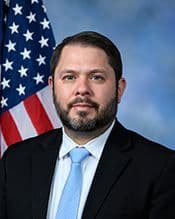
Ruben Gallego
Democratic Senator
Arizona
Health, Education, Labor, and Pensions Committee
- Introduced
- In Committee
- On Floor
- Passed Chamber
- Enacted
This bill proposes to significantly increase the federal minimum wage and phase out several subminimum wage categories. The general federal minimum wage would rise incrementally, starting at $10.00 per hour and reaching $20.00 per hour three years after the effective date. Following this, the minimum wage would be adjusted annually based on the greater of the Consumer Price Index or Gross Domestic Product increases to ensure it keeps pace with economic changes. The legislation also addresses wages for tipped employees , gradually increasing their cash wage over six years until it matches the general federal minimum wage, effectively phasing out the separate tipped minimum wage. It clarifies that employees have the right to retain all tips received and mandates that employers inform them of this right. Additionally, the bill establishes a transitional minimum wage for newly hired employees under 20 years old , which increases annually until it equals the general federal minimum wage, at which point the separate subminimum wage for this group is repealed. A key provision focuses on individuals with disabilities , phasing in higher wages over six years until they reach the full federal minimum wage. Importantly, the bill prohibits the issuance of any new special certificates allowing employers to pay subminimum wages to individuals with disabilities after its enactment. It also requires the Secretary of Labor to provide technical assistance to employers and information to individuals with disabilities to facilitate their transition to competitive integrated employment, with the authority for special certificates ultimately sunsetting.
View Full TextSuggested Questions
Get AI-generated questions to help you understand this bill better
Timeline
Introduced in Senate
Read twice and referred to the Committee on Health, Education, Labor, and Pensions.
Labor and Employment
Give America a Raise Act
USA119th CongressS-3780| Senate
| Updated: 2/4/2026
This bill proposes to significantly increase the federal minimum wage and phase out several subminimum wage categories. The general federal minimum wage would rise incrementally, starting at $10.00 per hour and reaching $20.00 per hour three years after the effective date. Following this, the minimum wage would be adjusted annually based on the greater of the Consumer Price Index or Gross Domestic Product increases to ensure it keeps pace with economic changes. The legislation also addresses wages for tipped employees , gradually increasing their cash wage over six years until it matches the general federal minimum wage, effectively phasing out the separate tipped minimum wage. It clarifies that employees have the right to retain all tips received and mandates that employers inform them of this right. Additionally, the bill establishes a transitional minimum wage for newly hired employees under 20 years old , which increases annually until it equals the general federal minimum wage, at which point the separate subminimum wage for this group is repealed. A key provision focuses on individuals with disabilities , phasing in higher wages over six years until they reach the full federal minimum wage. Importantly, the bill prohibits the issuance of any new special certificates allowing employers to pay subminimum wages to individuals with disabilities after its enactment. It also requires the Secretary of Labor to provide technical assistance to employers and information to individuals with disabilities to facilitate their transition to competitive integrated employment, with the authority for special certificates ultimately sunsetting.
View Full TextSuggested Questions
Get AI-generated questions to help you understand this bill better
Timeline
Introduced in Senate
Read twice and referred to the Committee on Health, Education, Labor, and Pensions.
Ruben Gallego
Democratic Senator
Arizona
Health, Education, Labor, and Pensions Committee
Labor and Employment
Related Bills
- Introduced
- In Committee
- On Floor
- Passed Chamber
- Enacted