Trusted Foreign Auditing Act of 2025
USA119th CongressS-2382| Senate
| Updated: 7/22/2025
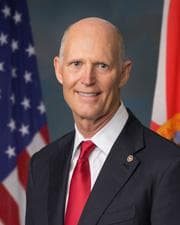
Rick Scott
Republican Senator
Florida
Banking, Housing, and Urban Affairs Committee
- Introduced
- In Committee
- On Floor
- Passed Chamber
- Enacted
This legislation amends the Sarbanes-Oxley Act of 2002 to strengthen oversight of public accounting firms with ties to certain foreign jurisdictions. It introduces the term "compromised auditor," defining it as an accounting firm branch or subsidiary that is subject to, controlled by, or influenced by a "covered country." A "covered country" includes nations identified as national security threats by the Director of National Intelligence or other specified foreign adversaries. The bill establishes significant consequences for entities utilizing such auditors. If a covered issuer, headquartered in a covered country, retains a compromised auditor to prepare an audit report, the existing trading prohibition under the Sarbanes-Oxley Act will apply to that issuer. This provision aims to prevent companies from accessing U.S. capital markets if their financial audits are conducted by firms deemed to have compromised independence due to foreign government influence. Furthermore, the legislation modifies rules for public hearings conducted by the Public Company Accounting Oversight Board. Hearings will now be public by default if a compromised auditor retained by a covered issuer is a party, unless otherwise ordered by the Board with party consent.
View Full TextSuggested Questions
Get AI-generated questions to help you understand this bill better
Timeline
Introduced in Senate
Read twice and referred to the Committee on Banking, Housing, and Urban Affairs.
Finance and Financial Sector
Trusted Foreign Auditing Act of 2025
USA119th CongressS-2382| Senate
| Updated: 7/22/2025
This legislation amends the Sarbanes-Oxley Act of 2002 to strengthen oversight of public accounting firms with ties to certain foreign jurisdictions. It introduces the term "compromised auditor," defining it as an accounting firm branch or subsidiary that is subject to, controlled by, or influenced by a "covered country." A "covered country" includes nations identified as national security threats by the Director of National Intelligence or other specified foreign adversaries. The bill establishes significant consequences for entities utilizing such auditors. If a covered issuer, headquartered in a covered country, retains a compromised auditor to prepare an audit report, the existing trading prohibition under the Sarbanes-Oxley Act will apply to that issuer. This provision aims to prevent companies from accessing U.S. capital markets if their financial audits are conducted by firms deemed to have compromised independence due to foreign government influence. Furthermore, the legislation modifies rules for public hearings conducted by the Public Company Accounting Oversight Board. Hearings will now be public by default if a compromised auditor retained by a covered issuer is a party, unless otherwise ordered by the Board with party consent.
View Full TextSuggested Questions
Get AI-generated questions to help you understand this bill better
Timeline
Introduced in Senate
Read twice and referred to the Committee on Banking, Housing, and Urban Affairs.
Rick Scott
Republican Senator
Florida
Banking, Housing, and Urban Affairs Committee
Finance and Financial Sector
Related Bills
- Introduced
- In Committee
- On Floor
- Passed Chamber
- Enacted