Resident Physician Shortage Reduction Act of 2025
USA119th CongressS-2439| Senate
| Updated: 7/24/2025
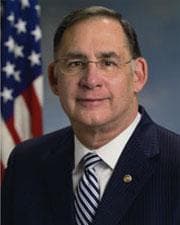
John Boozman
Republican Senator
Arkansas
Cosponsors (14)
Tommy Tuberville (Republican)Ruben Gallego (Democratic)Richard J. Durbin (Democratic)Charles E. Schumer (Democratic)Kirsten E. Gillibrand (Democratic)Angus S. King (Independent)Amy Klobuchar (Democratic)Jacky Rosen (Democratic)Cory A. Booker (Democratic)Peter Welch (Democratic)Susan M. Collins (Republican)Elissa Slotkin (Democratic)Raphael G. Warnock (Democratic)Mark Kelly (Democratic)
Finance Committee
- Introduced
- In Committee
- On Floor
- Passed Chamber
- Enacted
This bill seeks to address physician shortages by significantly increasing the number of Medicare-funded medical residency positions available across the United States. It mandates the distribution of 2,000 new residency slots annually for seven fiscal years, from 2027 through 2033 , totaling 14,000 additional positions. Any positions not distributed in a given year will roll over to subsequent years, ensuring all 14,000 are eventually allocated. The legislation establishes specific criteria for distributing these new positions, with a strong emphasis on supporting underserved areas and institutions. At least 10% of the aggregate positions must be allocated to each of four categories: hospitals in rural areas , hospitals with a high existing resident level relative to their cap, hospitals in states with new medical schools (established post-2000), and hospitals serving designated health professional shortage areas . Within the health professional shortage area category, priority is given to hospitals affiliated with Historically Black Medical Schools or other specified institutions. Hospitals applying for these positions must commit to increasing their total full-time equivalent residency positions by the number received. A single hospital is generally limited to receiving no more than 75 additional positions in aggregate over the seven-year period, though this limit can be adjusted if positions remain undistributed. The bill also directs the Comptroller General to conduct a study on strategies for increasing diversity within the health professional workforce, with a report and recommendations due to Congress within two years.
Suggested Questions
Get AI-generated questions to help you understand this bill better
Timeline
Introduced in Senate
Read twice and referred to the Committee on Finance.
Health
Resident Physician Shortage Reduction Act of 2025
USA119th CongressS-2439| Senate
| Updated: 7/24/2025
This bill seeks to address physician shortages by significantly increasing the number of Medicare-funded medical residency positions available across the United States. It mandates the distribution of 2,000 new residency slots annually for seven fiscal years, from 2027 through 2033 , totaling 14,000 additional positions. Any positions not distributed in a given year will roll over to subsequent years, ensuring all 14,000 are eventually allocated. The legislation establishes specific criteria for distributing these new positions, with a strong emphasis on supporting underserved areas and institutions. At least 10% of the aggregate positions must be allocated to each of four categories: hospitals in rural areas , hospitals with a high existing resident level relative to their cap, hospitals in states with new medical schools (established post-2000), and hospitals serving designated health professional shortage areas . Within the health professional shortage area category, priority is given to hospitals affiliated with Historically Black Medical Schools or other specified institutions. Hospitals applying for these positions must commit to increasing their total full-time equivalent residency positions by the number received. A single hospital is generally limited to receiving no more than 75 additional positions in aggregate over the seven-year period, though this limit can be adjusted if positions remain undistributed. The bill also directs the Comptroller General to conduct a study on strategies for increasing diversity within the health professional workforce, with a report and recommendations due to Congress within two years.
Suggested Questions
Get AI-generated questions to help you understand this bill better
Timeline
Introduced in Senate
Read twice and referred to the Committee on Finance.
John Boozman
Republican Senator
Arkansas
Cosponsors (14)
Tommy Tuberville (Republican)Ruben Gallego (Democratic)Richard J. Durbin (Democratic)Charles E. Schumer (Democratic)Kirsten E. Gillibrand (Democratic)Angus S. King (Independent)Amy Klobuchar (Democratic)Jacky Rosen (Democratic)Cory A. Booker (Democratic)Peter Welch (Democratic)Susan M. Collins (Republican)Elissa Slotkin (Democratic)Raphael G. Warnock (Democratic)Mark Kelly (Democratic)
Finance Committee
Health
- Introduced
- In Committee
- On Floor
- Passed Chamber
- Enacted