Resident Physician Shortage Reduction Act of 2025
USA119th CongressHR-4731| House
| Updated: 7/23/2025
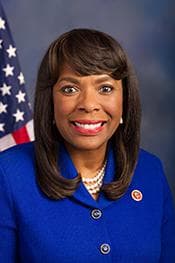
Terri A. Sewell
Democratic Representative
Alabama
Cosponsors (107)
Kim Schrier (Democratic)Donald Norcross (Democratic)Ryan K. Zinke (Republican)John Garamendi (Democratic)Jonathan L. Jackson (Democratic)Kelly Morrison (Democratic)Robin L. Kelly (Democratic)Julie Johnson (Democratic)Ritchie Torres (Democratic)Mark Pocan (Democratic)Gabe Vasquez (Democratic)Ed Case (Democratic)Chrissy Houlahan (Democratic)Bill Foster (Democratic)Patrick Ryan (Democratic)Sanford D. Bishop (Democratic)Pete Aguilar (Democratic)Pablo Jose Hernández (Democratic)Claudia Tenney (Republican)Juan Vargas (Democratic)James R. Walkinshaw (Democratic)Steven Horsford (Democratic)Jimmy Panetta (Democratic)Maxine Dexter (Democratic)J. Luis Correa (Democratic)Eric Swalwell (Democratic)Dina Titus (Democratic)Debbie Dingell (Democratic)Madeleine Dean (Democratic)Melanie A. Stansbury (Democratic)Steve Cohen (Democratic)Suzan K. DelBene (Democratic)Scott H. Peters (Democratic)Paul Tonko (Democratic)Donald G. Davis (Democratic)Thomas R. Suozzi (Democratic)Haley M. Stevens (Democratic)Andrew R. Garbarino (Republican)Frank J. Mrvan (Democratic)Vicente Gonzalez (Democratic)Ted Lieu (Democratic)Greg Stanton (Democratic)Daniel Meuser (Republican)Don Bacon (Republican)Nikki Budzinski (Democratic)Joaquin Castro (Democratic)Stephen F. Lynch (Democratic)Mark DeSaulnier (Democratic)Jill N. Tokuda (Democratic)Joseph D. Morelle (Democratic)Mike D. Rogers (Republican)Doris O. Matsui (Democratic)Hillary J. Scholten (Democratic)Daniel S. Goldman (Democratic)Jahana Hayes (Democratic)Morgan McGarvey (Democratic)Raja Krishnamoorthi (Democratic)James A. Himes (Democratic)Jerrold Nadler (Democratic)Brittany Pettersen (Democratic)Alma S. Adams (Democratic)Ami Bera (Democratic)Josh Harder (Democratic)Lucy McBath (Democratic)Pramila Jayapal (Democratic)Kathy Castor (Democratic)Betty McCollum (Democratic)Eleanor Holmes Norton (Democratic)Sharice Davids (Democratic)Mary Gay Scanlon (Democratic)Lateefah Simon (Democratic)Timothy M. Kennedy (Democratic)Salud O. Carbajal (Democratic)Josh Riley (Democratic)Mike Quigley (Democratic)Lois Frankel (Democratic)Sean Casten (Democratic)Adam Smith (Democratic)Nydia M. Velázquez (Democratic)Julia Brownley (Democratic)Seth Magaziner (Democratic)Sarah McBride (Democratic)Yvette D. Clarke (Democratic)Brian K. Fitzpatrick (Republican)Bennie G. Thompson (Democratic)Deborah K. Ross (Democratic)Lori Trahan (Democratic)Seth Moulton (Democratic)Mike Thompson (Democratic)Suzanne Bonamici (Democratic)Lizzie Fletcher (Democratic)Josh Gottheimer (Democratic)Linda T. Sánchez (Democratic)Nanette Diaz Barragán (Democratic)Michael Lawler (Republican)Jesús G. "Chuy" García (Democratic)Robert P. Bresnahan (Republican)Kevin Mullin (Democratic)Teresa Leger Fernandez (Democratic)Rashida Tlaib (Democratic)Bradley Scott Schneider (Democratic)Herbert C. Conaway (Democratic)Lloyd Doggett (Democratic)Chellie Pingree (Democratic)Mike Levin (Democratic)Nicole Malliotakis (Republican)Judy Chu (Democratic)
Ways and Means Committee, Energy and Commerce Committee
- Introduced
- In Committee
- On Floor
- Passed Chamber
- Enacted
This legislation, known as the Resident Physician Shortage Reduction Act of 2025 , seeks to address physician shortages by significantly increasing the number of medical residency positions available across the United States. It amends the Social Security Act to provide for the distribution of 14,000 new full-time equivalent (FTE) residency positions over a seven-year period, from fiscal years 2026 through 2032. The Secretary of Health and Human Services is tasked with distributing 2,000 additional residency positions annually during this timeframe. One-third of these positions are specifically allocated to hospitals that are already training residents above their current cap, provided they meet certain criteria, such as training at least 25 percent of residents in primary care and general surgery. The remaining positions are distributed to other qualifying hospitals based on specific needs and priorities. Key considerations for distributing these additional positions include a hospital's likelihood of filling the new positions and specific geographic or institutional characteristics. A minimum of 10 percent of the aggregate positions must be distributed to each of several categories: hospitals in rural areas or areas with high rural-urban commuting codes , hospitals in states with new medical schools established after January 1, 2000, and hospitals serving health professional shortage areas (HPSAs) . Within HPSAs, priority is given to hospitals affiliated with historically Black medical schools or other specified institutions. Hospitals receiving these increases must agree to expand their residency programs by the number of positions granted, and a single hospital generally cannot receive more than 75 additional FTE residency positions in total over the seven-year period. Furthermore, the bill mandates that the Comptroller General conduct a study and submit a report to Congress within two years on effective strategies for increasing the diversity of the health professional workforce, particularly focusing on professionals from rural, lower-income, and underrepresented minority communities.
Suggested Questions
Get AI-generated questions to help you understand this bill better
Timeline
Introduced in House
Referred to the Committee on Energy and Commerce, and in addition to the Committee on Ways and Means, for a period to be subsequently determined by the Speaker, in each case for consideration of such provisions as fall within the jurisdiction of the committee concerned.
Referred to the Committee on Ways and Means, and in addition to the Committee on Energy and Commerce, for a period to be subsequently determined by the Speaker, in each case for consideration of such provisions as fall within the jurisdiction of the committee concerned.
Health
Resident Physician Shortage Reduction Act of 2025
USA119th CongressHR-4731| House
| Updated: 7/23/2025
This legislation, known as the Resident Physician Shortage Reduction Act of 2025 , seeks to address physician shortages by significantly increasing the number of medical residency positions available across the United States. It amends the Social Security Act to provide for the distribution of 14,000 new full-time equivalent (FTE) residency positions over a seven-year period, from fiscal years 2026 through 2032. The Secretary of Health and Human Services is tasked with distributing 2,000 additional residency positions annually during this timeframe. One-third of these positions are specifically allocated to hospitals that are already training residents above their current cap, provided they meet certain criteria, such as training at least 25 percent of residents in primary care and general surgery. The remaining positions are distributed to other qualifying hospitals based on specific needs and priorities. Key considerations for distributing these additional positions include a hospital's likelihood of filling the new positions and specific geographic or institutional characteristics. A minimum of 10 percent of the aggregate positions must be distributed to each of several categories: hospitals in rural areas or areas with high rural-urban commuting codes , hospitals in states with new medical schools established after January 1, 2000, and hospitals serving health professional shortage areas (HPSAs) . Within HPSAs, priority is given to hospitals affiliated with historically Black medical schools or other specified institutions. Hospitals receiving these increases must agree to expand their residency programs by the number of positions granted, and a single hospital generally cannot receive more than 75 additional FTE residency positions in total over the seven-year period. Furthermore, the bill mandates that the Comptroller General conduct a study and submit a report to Congress within two years on effective strategies for increasing the diversity of the health professional workforce, particularly focusing on professionals from rural, lower-income, and underrepresented minority communities.
Suggested Questions
Get AI-generated questions to help you understand this bill better
Timeline
Introduced in House
Referred to the Committee on Energy and Commerce, and in addition to the Committee on Ways and Means, for a period to be subsequently determined by the Speaker, in each case for consideration of such provisions as fall within the jurisdiction of the committee concerned.
Referred to the Committee on Ways and Means, and in addition to the Committee on Energy and Commerce, for a period to be subsequently determined by the Speaker, in each case for consideration of such provisions as fall within the jurisdiction of the committee concerned.
Terri A. Sewell
Democratic Representative
Alabama
Cosponsors (107)
Kim Schrier (Democratic)Donald Norcross (Democratic)Ryan K. Zinke (Republican)John Garamendi (Democratic)Jonathan L. Jackson (Democratic)Kelly Morrison (Democratic)Robin L. Kelly (Democratic)Julie Johnson (Democratic)Ritchie Torres (Democratic)Mark Pocan (Democratic)Gabe Vasquez (Democratic)Ed Case (Democratic)Chrissy Houlahan (Democratic)Bill Foster (Democratic)Patrick Ryan (Democratic)Sanford D. Bishop (Democratic)Pete Aguilar (Democratic)Pablo Jose Hernández (Democratic)Claudia Tenney (Republican)Juan Vargas (Democratic)James R. Walkinshaw (Democratic)Steven Horsford (Democratic)Jimmy Panetta (Democratic)Maxine Dexter (Democratic)J. Luis Correa (Democratic)Eric Swalwell (Democratic)Dina Titus (Democratic)Debbie Dingell (Democratic)Madeleine Dean (Democratic)Melanie A. Stansbury (Democratic)Steve Cohen (Democratic)Suzan K. DelBene (Democratic)Scott H. Peters (Democratic)Paul Tonko (Democratic)Donald G. Davis (Democratic)Thomas R. Suozzi (Democratic)Haley M. Stevens (Democratic)Andrew R. Garbarino (Republican)Frank J. Mrvan (Democratic)Vicente Gonzalez (Democratic)Ted Lieu (Democratic)Greg Stanton (Democratic)Daniel Meuser (Republican)Don Bacon (Republican)Nikki Budzinski (Democratic)Joaquin Castro (Democratic)Stephen F. Lynch (Democratic)Mark DeSaulnier (Democratic)Jill N. Tokuda (Democratic)Joseph D. Morelle (Democratic)Mike D. Rogers (Republican)Doris O. Matsui (Democratic)Hillary J. Scholten (Democratic)Daniel S. Goldman (Democratic)Jahana Hayes (Democratic)Morgan McGarvey (Democratic)Raja Krishnamoorthi (Democratic)James A. Himes (Democratic)Jerrold Nadler (Democratic)Brittany Pettersen (Democratic)Alma S. Adams (Democratic)Ami Bera (Democratic)Josh Harder (Democratic)Lucy McBath (Democratic)Pramila Jayapal (Democratic)Kathy Castor (Democratic)Betty McCollum (Democratic)Eleanor Holmes Norton (Democratic)Sharice Davids (Democratic)Mary Gay Scanlon (Democratic)Lateefah Simon (Democratic)Timothy M. Kennedy (Democratic)Salud O. Carbajal (Democratic)Josh Riley (Democratic)Mike Quigley (Democratic)Lois Frankel (Democratic)Sean Casten (Democratic)Adam Smith (Democratic)Nydia M. Velázquez (Democratic)Julia Brownley (Democratic)Seth Magaziner (Democratic)Sarah McBride (Democratic)Yvette D. Clarke (Democratic)Brian K. Fitzpatrick (Republican)Bennie G. Thompson (Democratic)Deborah K. Ross (Democratic)Lori Trahan (Democratic)Seth Moulton (Democratic)Mike Thompson (Democratic)Suzanne Bonamici (Democratic)Lizzie Fletcher (Democratic)Josh Gottheimer (Democratic)Linda T. Sánchez (Democratic)Nanette Diaz Barragán (Democratic)Michael Lawler (Republican)Jesús G. "Chuy" García (Democratic)Robert P. Bresnahan (Republican)Kevin Mullin (Democratic)Teresa Leger Fernandez (Democratic)Rashida Tlaib (Democratic)Bradley Scott Schneider (Democratic)Herbert C. Conaway (Democratic)Lloyd Doggett (Democratic)Chellie Pingree (Democratic)Mike Levin (Democratic)Nicole Malliotakis (Republican)Judy Chu (Democratic)
Ways and Means Committee, Energy and Commerce Committee
Health
- Introduced
- In Committee
- On Floor
- Passed Chamber
- Enacted