Resident Physician Shortage Reduction Act of 2025
USA119th CongressHR-3890| House
| Updated: 6/10/2025
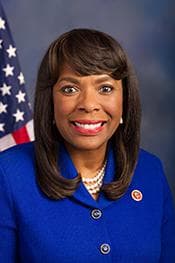
Terri A. Sewell
Democratic Representative
Alabama
Cosponsors (1)
Ways and Means Committee, Energy and Commerce Committee
- Introduced
- In Committee
- On Floor
- Passed Chamber
- Enacted
The Resident Physician Shortage Reduction Act of 2025 proposes to significantly increase the number of Medicare-funded medical residency positions across the United States. It authorizes the distribution of 2,000 additional residency positions annually for fiscal years 2026 through 2032, totaling 14,000 new positions. Any positions not distributed in a given year will roll over to subsequent years until the full amount is allocated. These new positions will be distributed through a series of application rounds, with specific allocations designed to address critical needs. One-third of the available positions are reserved for hospitals that are already training residents above their Medicare cap, provided they commit to training at least 25 percent of their full-time equivalent residents in primary care and general surgery. This provision aims to formalize and support existing training efforts in high-demand specialties. The remaining positions will be distributed based on several criteria, with a strong emphasis on underserved areas. The Secretary must ensure that at least 10 percent of these positions go to hospitals in rural areas , hospitals in states with new medical schools established after 2000, and hospitals serving Health Professional Shortage Areas (HPSAs) . Within HPSAs, priority is given to hospitals affiliated with Historically Black Medical Schools or other specified institutions, promoting diversity in the healthcare workforce. Hospitals generally cannot receive more than 75 additional positions in aggregate under this program and related existing programs during the specified period, though this limit can be adjusted if positions remain undistributed. The bill also amends provisions related to indirect medical education (IME) payments to account for these new residency positions, ensuring appropriate funding for hospitals that expand their training capacity. Beyond residency positions, the bill mandates a study by the Comptroller General on strategies to increase the diversity of the health professional workforce, focusing on rural, lower-income, and underrepresented minority communities. It also establishes new grant programs under the Public Health Service Act to support the planning and development of rural residency programs and provide technical assistance to entities seeking to create or expand such programs. These rural initiatives are authorized at $12.7 million annually for fiscal years 2026 through 2030, aiming to bolster the physician pipeline for rural communities.
View Full TextSuggested Questions
Get AI-generated questions to help you understand this bill better
Timeline
Introduced in House
Referred to the Committee on Energy and Commerce, and in addition to the Committee on Ways and Means, for a period to be subsequently determined by the Speaker, in each case for consideration of such provisions as fall within the jurisdiction of the committee concerned.
Health
Resident Physician Shortage Reduction Act of 2025
USA119th CongressHR-3890| House
| Updated: 6/10/2025
The Resident Physician Shortage Reduction Act of 2025 proposes to significantly increase the number of Medicare-funded medical residency positions across the United States. It authorizes the distribution of 2,000 additional residency positions annually for fiscal years 2026 through 2032, totaling 14,000 new positions. Any positions not distributed in a given year will roll over to subsequent years until the full amount is allocated. These new positions will be distributed through a series of application rounds, with specific allocations designed to address critical needs. One-third of the available positions are reserved for hospitals that are already training residents above their Medicare cap, provided they commit to training at least 25 percent of their full-time equivalent residents in primary care and general surgery. This provision aims to formalize and support existing training efforts in high-demand specialties. The remaining positions will be distributed based on several criteria, with a strong emphasis on underserved areas. The Secretary must ensure that at least 10 percent of these positions go to hospitals in rural areas , hospitals in states with new medical schools established after 2000, and hospitals serving Health Professional Shortage Areas (HPSAs) . Within HPSAs, priority is given to hospitals affiliated with Historically Black Medical Schools or other specified institutions, promoting diversity in the healthcare workforce. Hospitals generally cannot receive more than 75 additional positions in aggregate under this program and related existing programs during the specified period, though this limit can be adjusted if positions remain undistributed. The bill also amends provisions related to indirect medical education (IME) payments to account for these new residency positions, ensuring appropriate funding for hospitals that expand their training capacity. Beyond residency positions, the bill mandates a study by the Comptroller General on strategies to increase the diversity of the health professional workforce, focusing on rural, lower-income, and underrepresented minority communities. It also establishes new grant programs under the Public Health Service Act to support the planning and development of rural residency programs and provide technical assistance to entities seeking to create or expand such programs. These rural initiatives are authorized at $12.7 million annually for fiscal years 2026 through 2030, aiming to bolster the physician pipeline for rural communities.
View Full TextSuggested Questions
Get AI-generated questions to help you understand this bill better
Timeline
Introduced in House
Referred to the Committee on Energy and Commerce, and in addition to the Committee on Ways and Means, for a period to be subsequently determined by the Speaker, in each case for consideration of such provisions as fall within the jurisdiction of the committee concerned.
Terri A. Sewell
Democratic Representative
Alabama
Cosponsors (1)
Ways and Means Committee, Energy and Commerce Committee
Health
- Introduced
- In Committee
- On Floor
- Passed Chamber
- Enacted